

Mother Tongue: The language of the heart
Mother Tongue: The language of the heart
21 February 2026
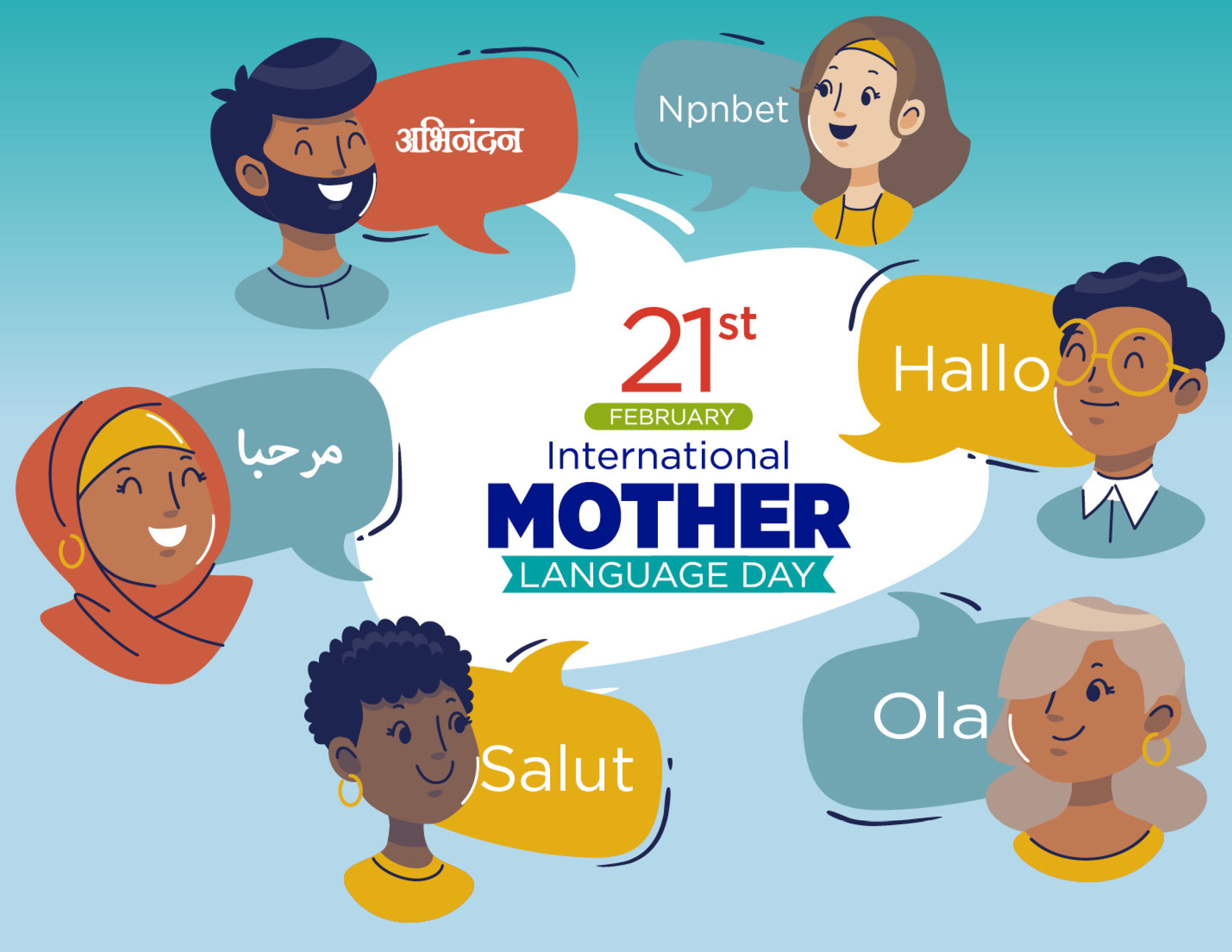
International Mother Language Day, observed every year on 21 February, is a global celebration of linguistic and cultural diversity. The day marks the 1952 tragedy in present-day Bangladesh, where four students lost their lives while advocating for the recognition of the Bengali language. Their sacrifice inspired UNESCO to officially declare the day in 1999, with the first worldwide observance held in 2000.
The day is significant because nearly 43% of the world’s 6,000 languages are at risk of disappearing, with one vanishing every two weeks. With millions of people unable to access education in their own language, preserving mother tongues is essential to protecting cultural identity, heritage, and knowledge.
A child’s first language profoundly shapes emotional, social, and cognitive development. It is through the mother tongue that children first understand the world, express their feelings, and build confidence. Strong skills in the home language also support the learning of additional languages, as literacy and thinking skills transfer naturally between languages.
Keeping a mother language alive requires commitment. Families can help by:
- Speaking the mother tongue at home.
- Reading, writing and telling stories in the home language.
- Sharing cultural traditions and memories.
- Providing books, music and media in the language.
- Creating opportunities for children to use it in real-life settings.
International Mother Language Day reminds us that every language carries history, identity and a unique worldview. Protecting them ensures that future generations inherit the richness of their cultural and linguistic roots.