Western Cape health official describes the trade-off between data protection and user expectations
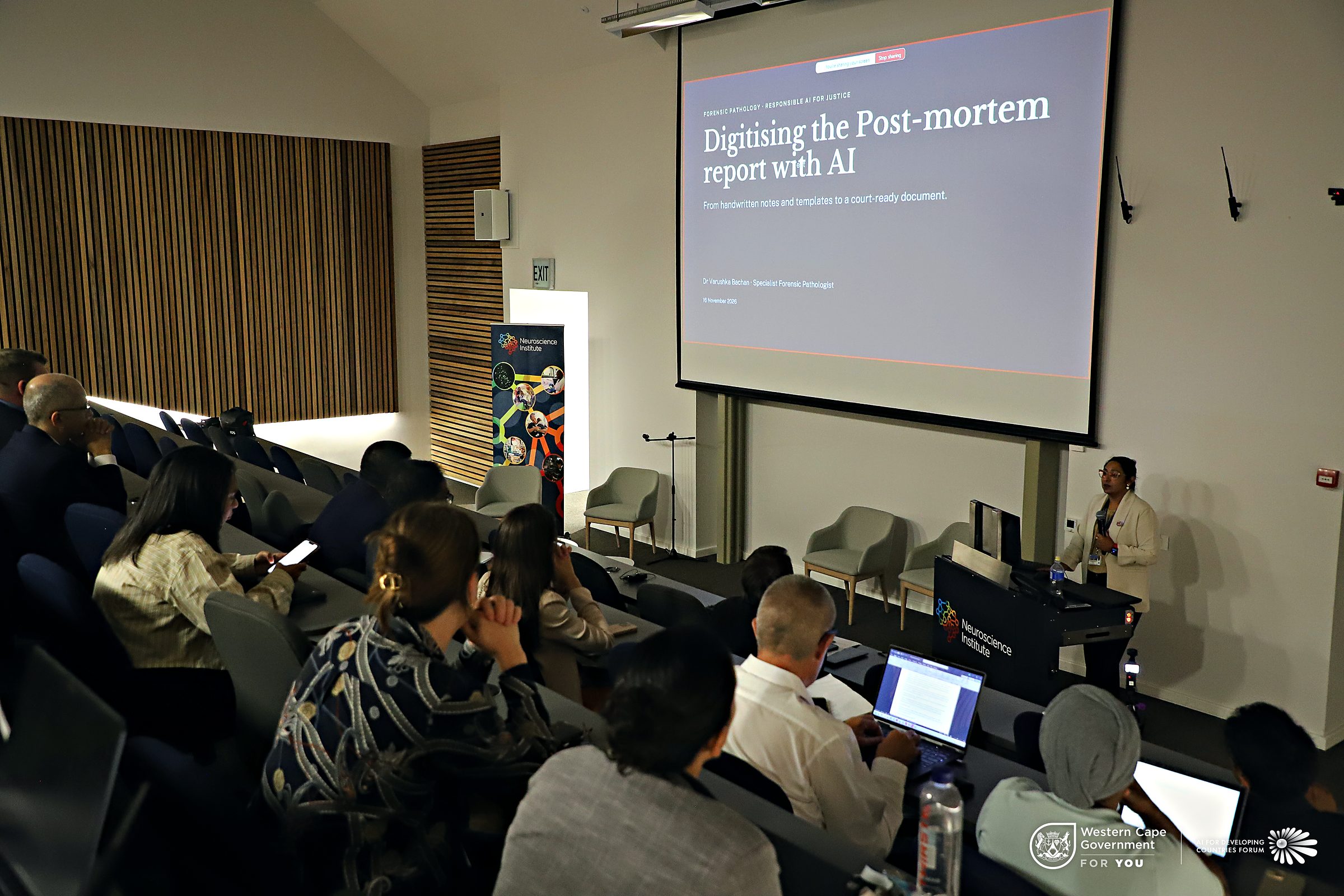
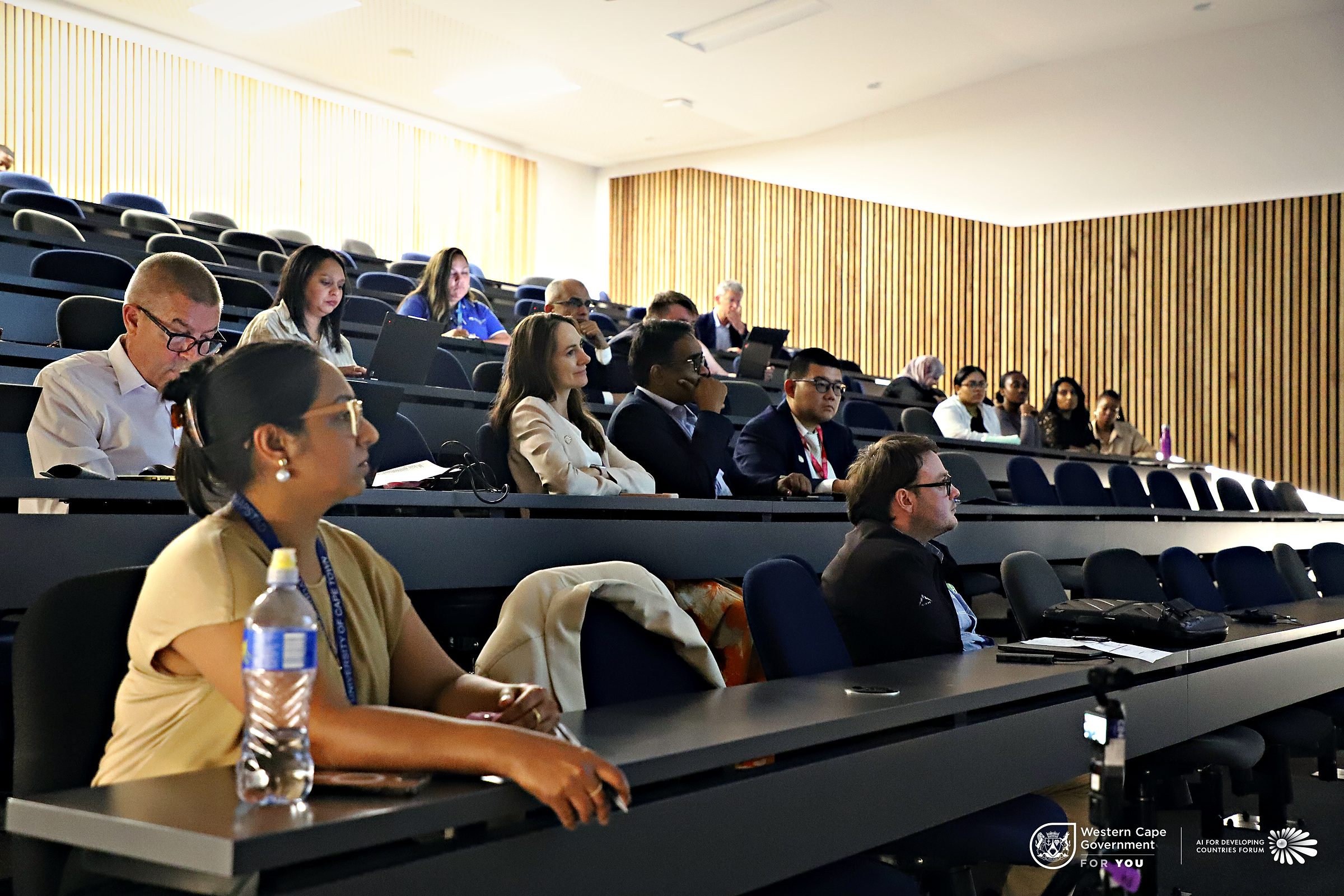
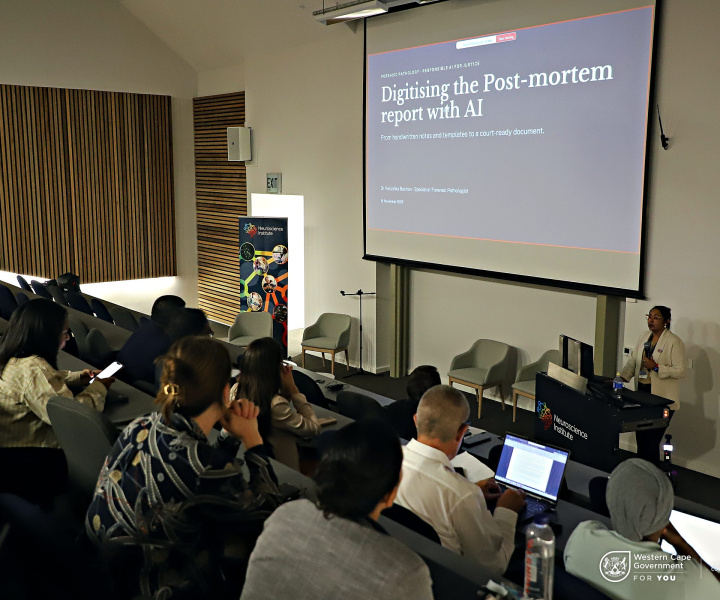
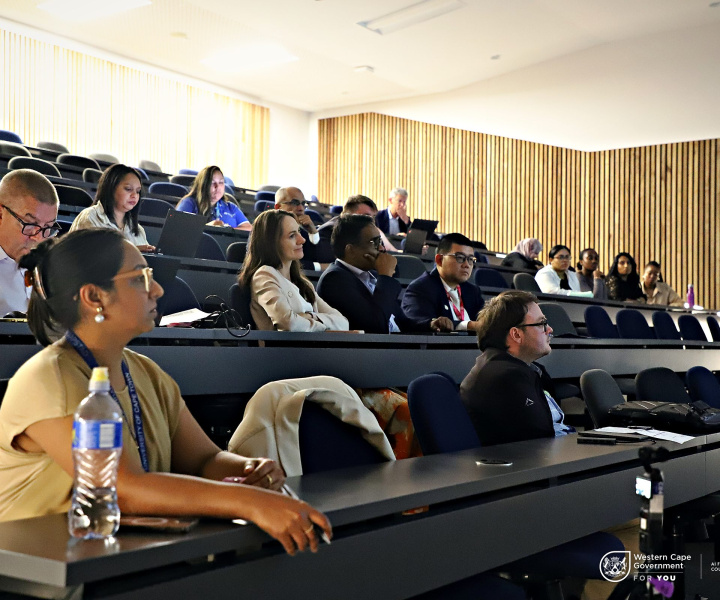
The final question of the afternoon session at Groote Schuur Hospital on Monday, 16 November 2026 concerned an issue many public institutions are considering: dependence on a small number of large language models.
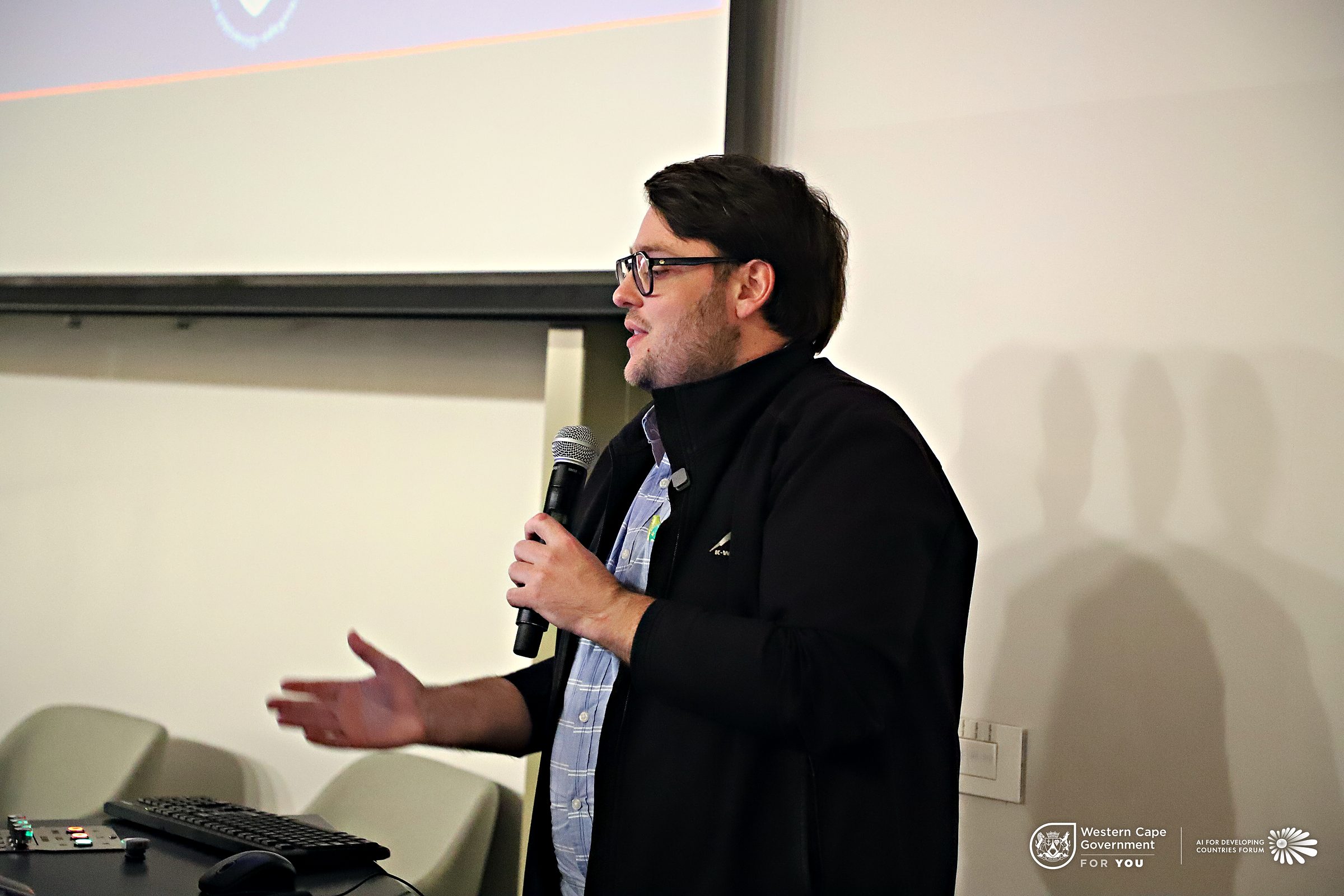
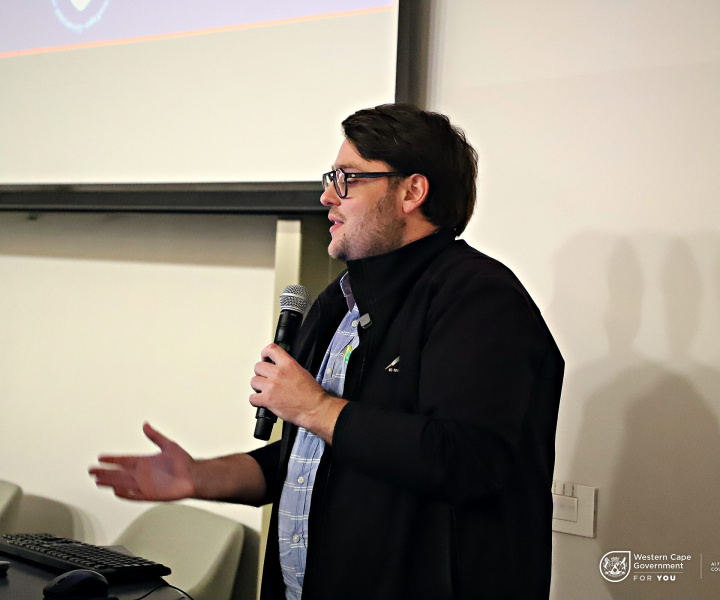
A participant who builds AI agents for data analysis and reporting described the dependency behind them: every system rests on one of a handful of large language models. “Have you played around with trying to localise a large language model, so that it’s not exposing the data to those few large players? And if you have, what has the success been?” A colleague from the hospital added: “It’s my question as well for the province.”
The answer came from Nobukosi Dlamini, Director of IT in the Western Cape Department of Health and Wellness, who had earlier set out how the department governs AI: an approved environment for experiments, data that stays inside it, and human review of every AI output.
“It’s a trade-off,” she said. The province does have smaller models in its own environment, and staff are already testing use cases on them. The obstacle is not only technical. “People come already with high expectations that have been formulated by their exposure to the large language models, and you have to temper that down if you want to use a local model.”
Her guidance: “It depends on the use case, the sensitivity of your data, and how you want to protect that.” Where large models are used, she said, “it’s still within a very protected space, a well-governed space.”
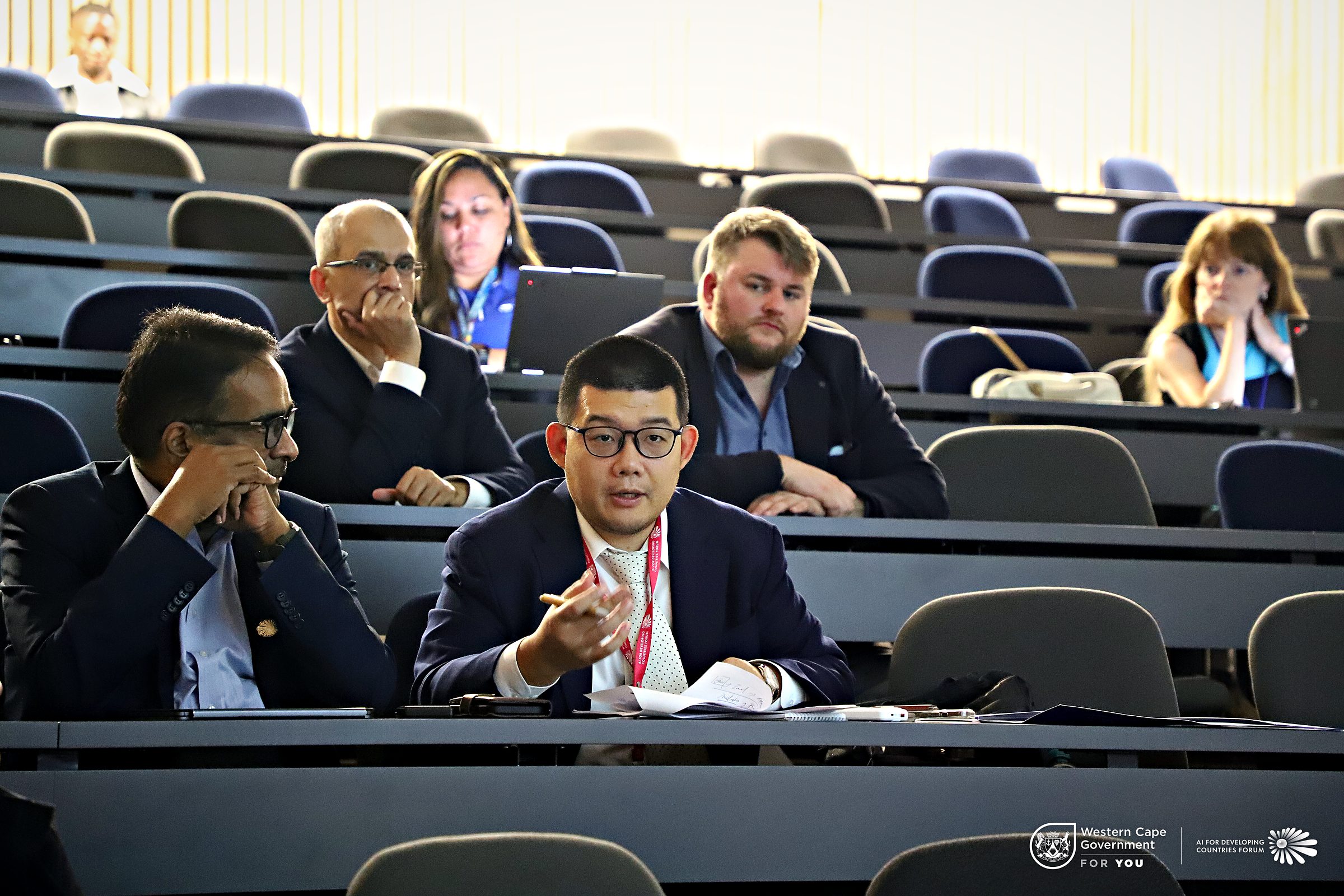
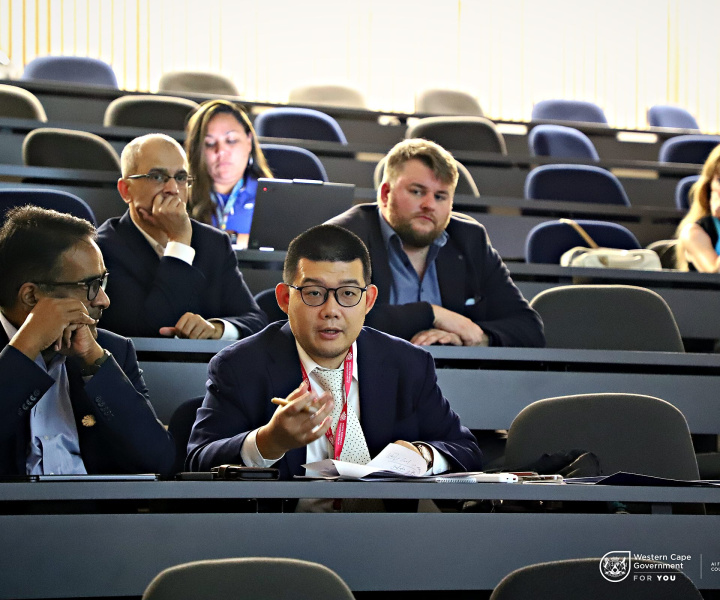
For the AI for Developing Countries Forum (AIFOD), which is visiting the province this week, the exchange went to the centre of its work on AI sovereignty. Co-Founder Tianze Zhang told the room that institutions need to ask what happens “if one model fails”, and that the practical goal is more choice and less dependence on any single supplier.
In AIFOD’s view, the exchange holds a lesson for other governments: a locally hosted option has to be good enough for the task, and users need a clear account of what it can and cannot do.
About AIFOD. The AI for Developing Countries Forum (AIFOD) is a membership organisation working on responsible, people-centred AI for developing countries. It is in Cape Town from 15 to 20 November 2026 on the first visit under its Memorandum of Understanding with the Western Cape Government Department of Infrastructure (DOI).