Western Cape emergency medical services use predictive analytics to plan where ambulances will be needed
Deciding where to position emergency vehicles for the hours ahead is a daily operational challenge. The Western Cape’s emergency medical services are developing a forecasting tool to support that decision.
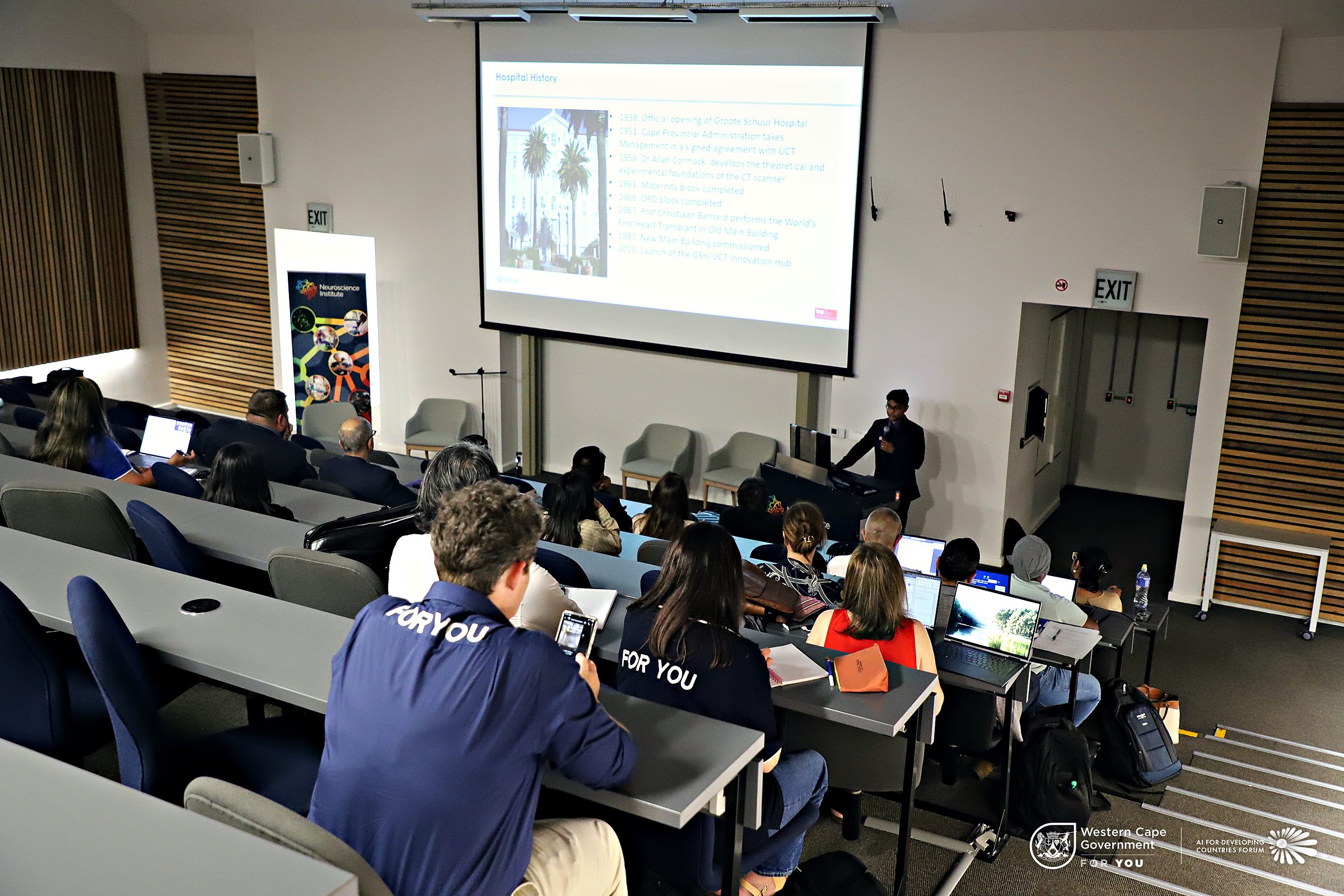
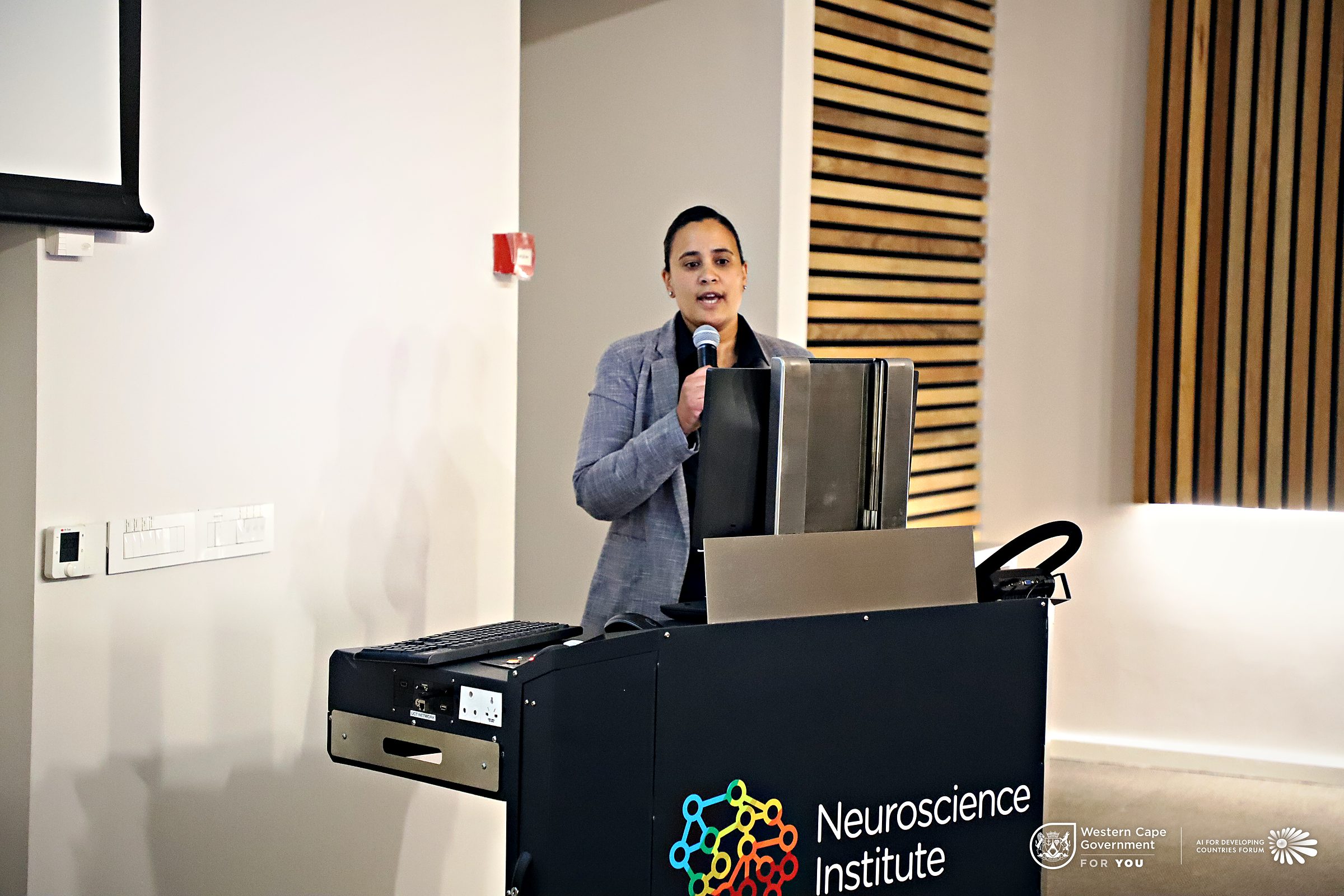
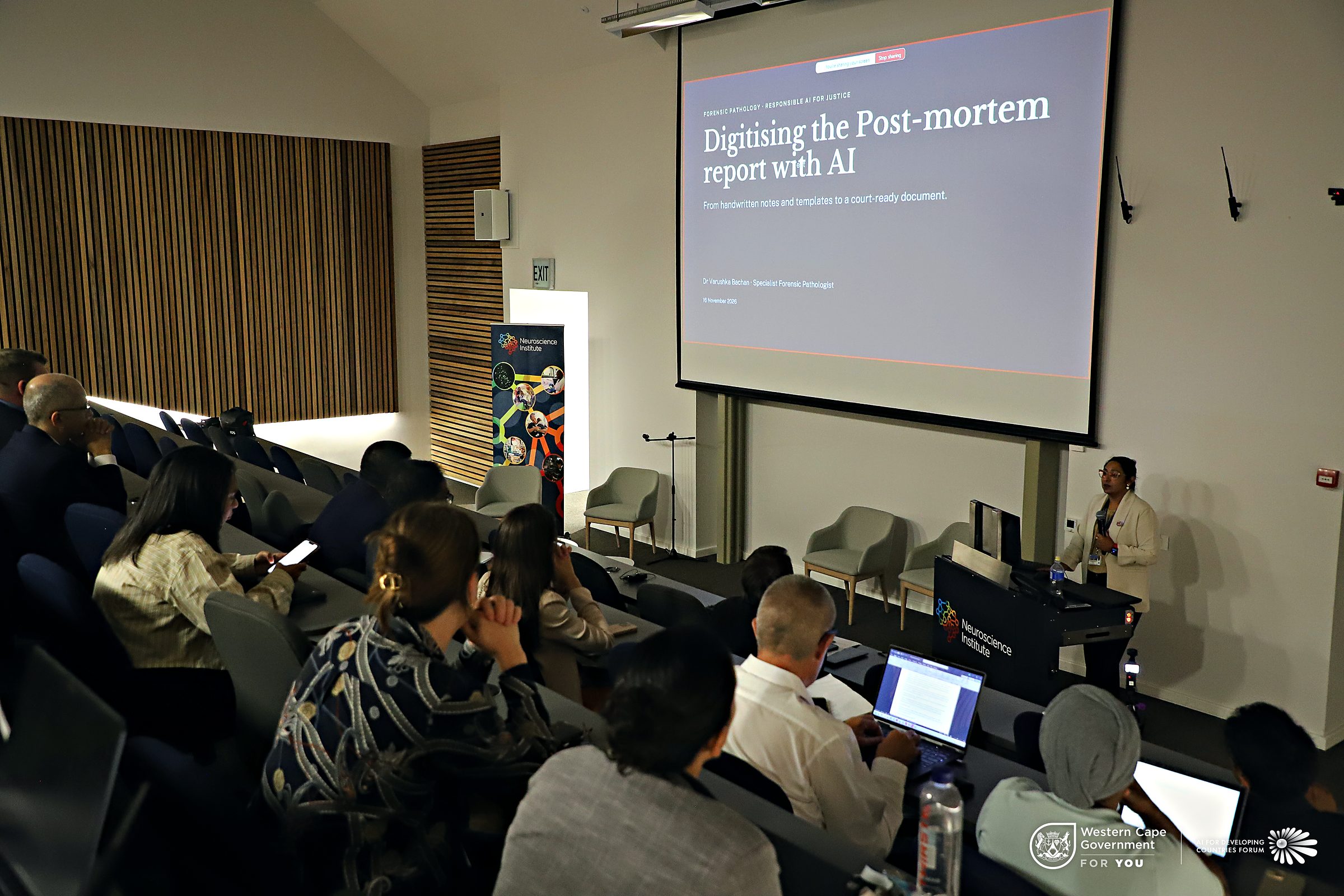
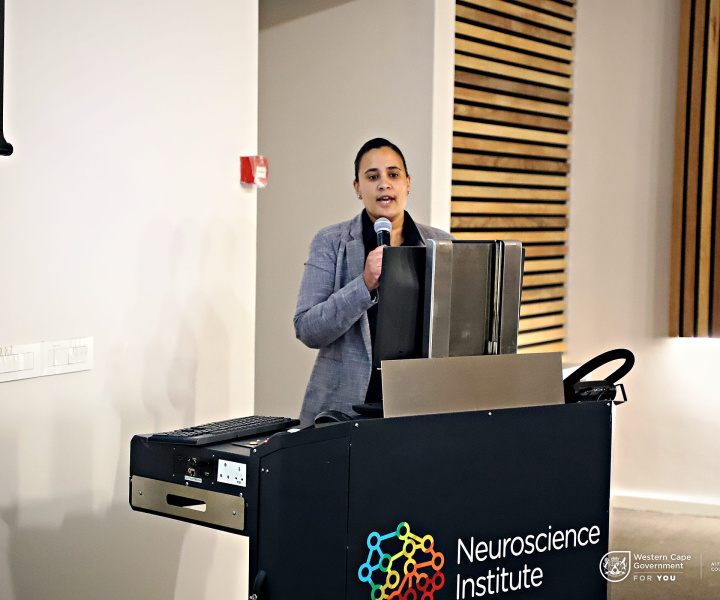
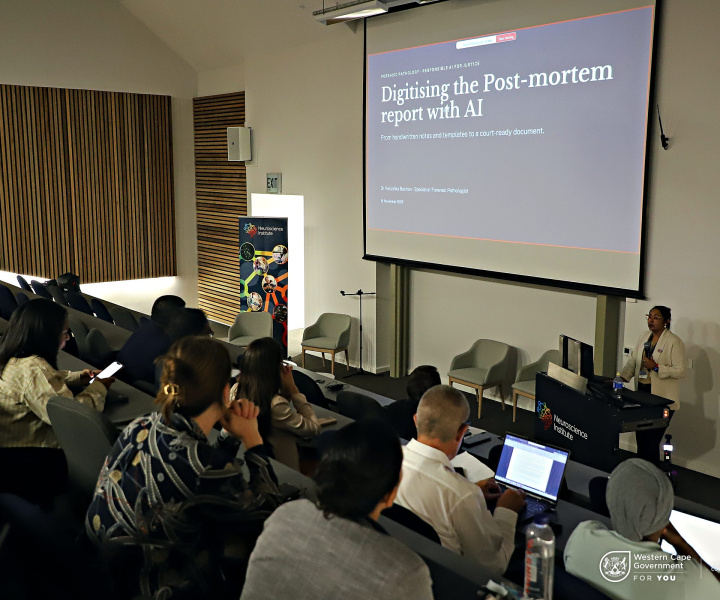
In an online presentation to a session at Groote Schuur Hospital on Monday 16 November 2026, attended by a delegation from the AI for Developing Countries Forum (AIFOD) and the Western Cape Government Department of Infrastructure, the service described predictive analytics work that began late last year.
Staff choose a period, the next 12 hours or a five-day shift cycle, and the system forecasts incidents and indicates where resources should be placed. For the coming three months it forecasts about 30,000 incidents, peaking in December, with roughly a fifth falling in the festive holidays and most of those at night.
The finding has operational consequences. Vehicles have traditionally been concentrated on day shifts, while major incidents on rural national roads happen at night and can need five or more response units drawn from neighbouring towns. Moving more vehicles to the night shift means a small town is less likely to be left without cover. The tool is being piloted in the Central Karoo, the first time it has been put in the hands of front-line teams.
Early next year the service plans an integrated application, built on cloud data platform technology similar to Snowflake, that lets teams put questions directly to the data model.
“We saw so many great use cases today: low cost, high efficiency,” said AIFOD Co-Founder Tianze Zhang in his closing remarks. “If we make some great cases together, other countries will follow.”
About AIFOD. The AI for Developing Countries Forum (AIFOD) is a membership organisation working on responsible, people-centred AI for developing countries. It is in Cape Town from 15 to 20 November 2026 on the first visit under its Memorandum of Understanding with the Western Cape Government Department of Infrastructure (DOI).