UCT offers a vision for the AI research Africa needs to build
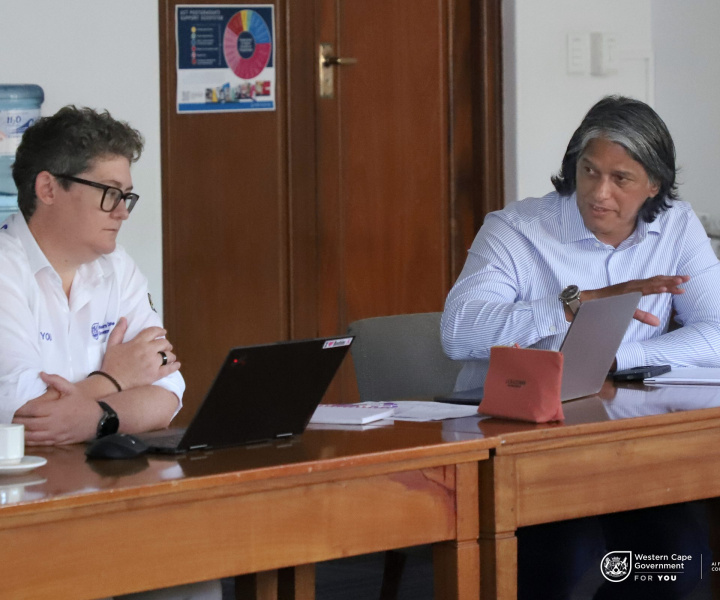
A university that has no foundational AI research of its own will only ever import other people’s AI products, the University of Cape Town’s (UCT) Associate Professor Jonathan Shock told officials of the Western Cape Government Department of Infrastructure (DOI) and the AI for Developing Countries Forum (AIFOD) on Thursday, 19 November 2026.
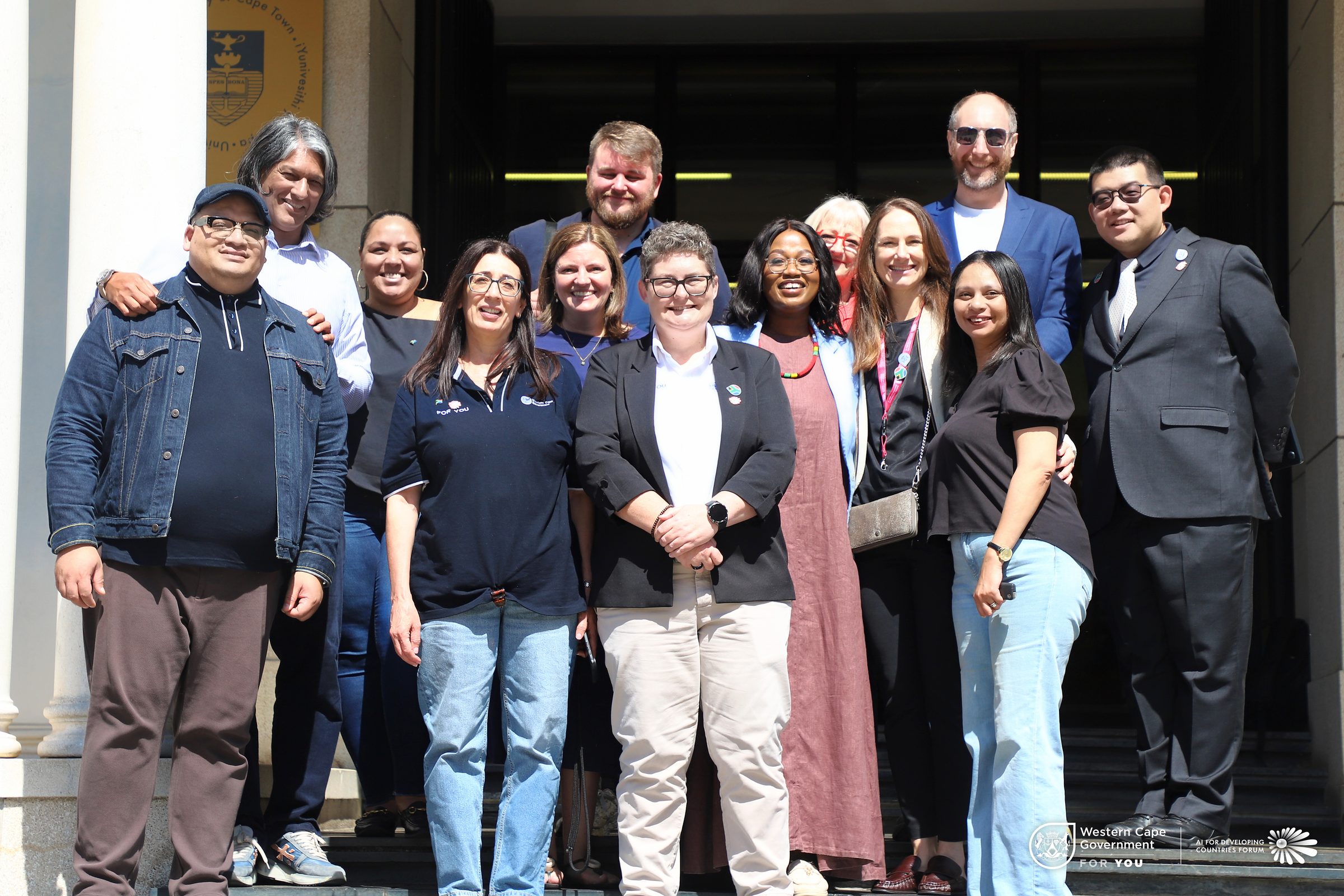
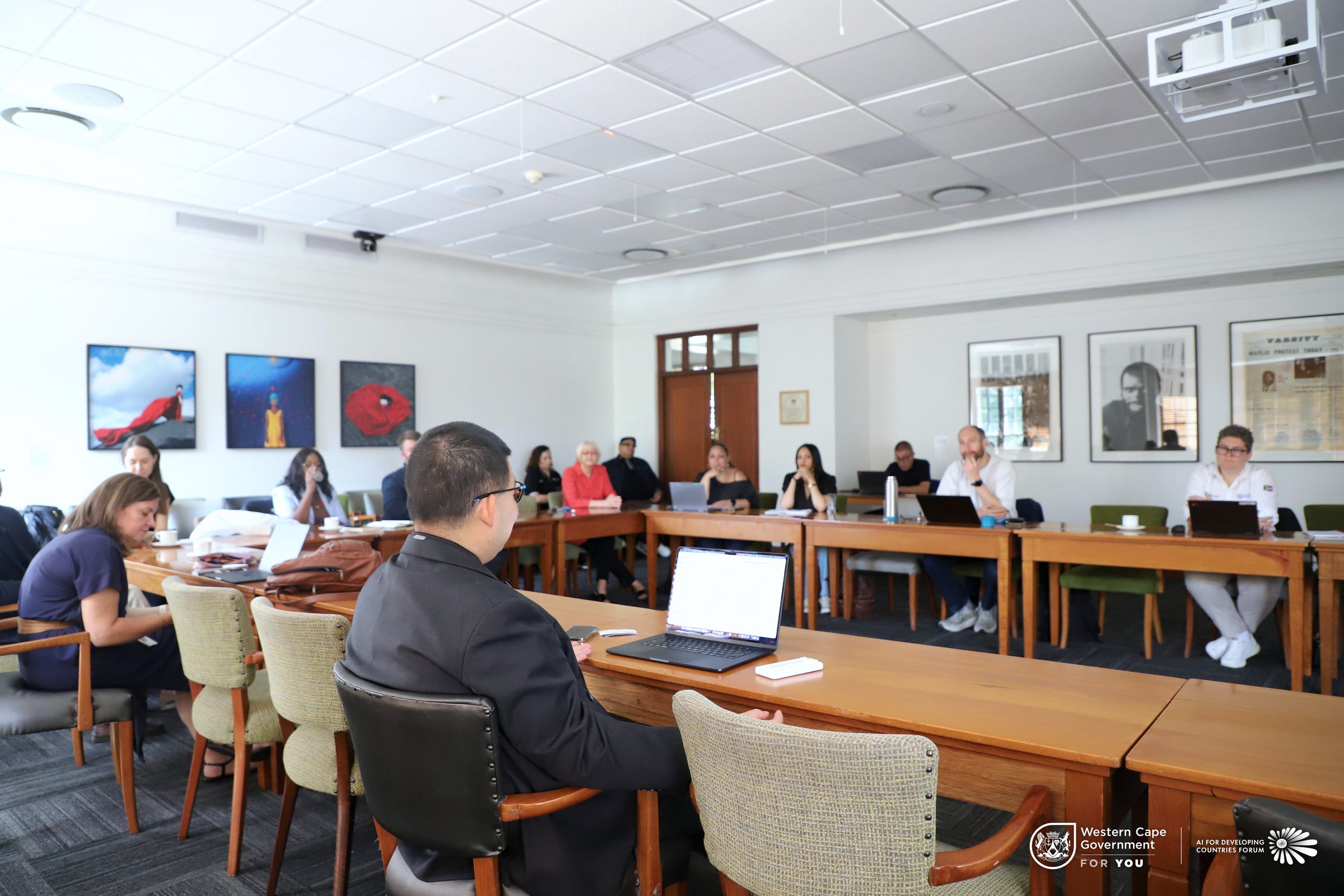
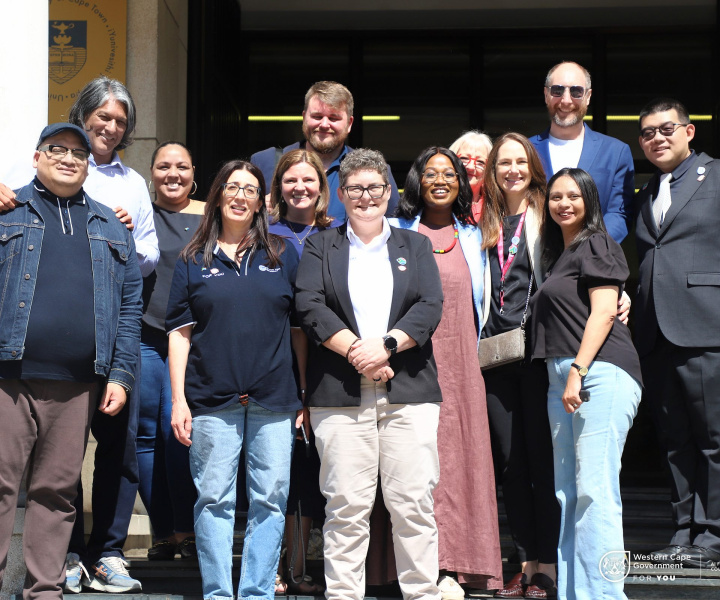
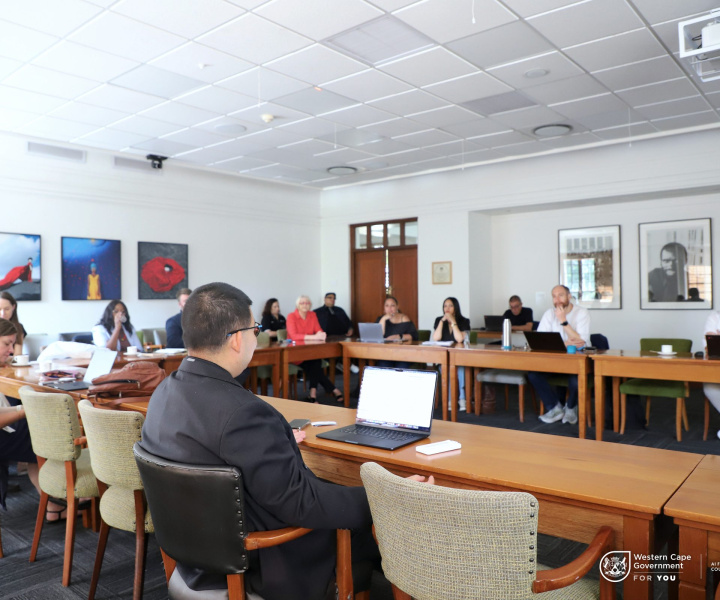
Shock, the Interim Director of the UCT AI Initiative, received the delegation in the Bremner Building on the first of three university visits. The AIFOD delegation was on the fourth day of its working visit to the province. The visits were arranged to see how university research could be connected to practical infrastructure problems.
“It is important that African universities develop the expertise, research capacity and infrastructure to shape the development of AI, rather than simply adopting technologies developed elsewhere. We need to build our own models, strengthen our computing capabilities and equip the next generation of researchers and engineers with the skills to innovate. This will allow us to develop AI solutions that reflect our languages, our societies and our unique challenges, while ensuring that Africa is an active contributor to the global AI landscape, rather than just a user of it”, said Shock.
The DOI already has a memorandum of collaboration with UCT. The initiative, which Shock has led for two years, began when computer scientists at UCT argued that AI would change the whole university and that it needed a common response. It aims to become a full institute early next year. Its vision is a world in which everybody benefits equitably from the transformative power of AI.
It started from the fields where UCT already does world-leading research: health and well-being, climate and the environment, and poverty and inequality, with AI safety added later. All of them rest on foundational research, from a language-processing group that has built models for South Africa’s spoken languages to work on reinforcement learning and computer vision. Five foundational groups counted 70 master’s, doctoral and postdoctoral researchers in 2025.
UCT is part of the AI4D (Artificial Intelligence for Development) network of African AI research laboratories, funded by Canada’s International Development Research Centre (IDRC) and the UK Foreign, Commonwealth and Development Office (FCDO). With the Global Center on AI Governance, it co-leads the African Hub on AI Safety, Peace and Security, which asks what AI safety means in Africa: technology-facilitated gender-based violence, disinformation in fragile democracies, and attempts to break the safeguards of AI models through languages that have little digital data.
Shock also described the African Compute Initiative. Many African laboratories lack computing power, and buying it abroad usually means sending data out of the country. UCT plans to expand the computing capacity in its new data centre and make it available free of charge to laboratories in the AI4D network, adding capacity in stages because hardware prices have risen sharply.
A small AI engineering team, to be set up next year, will place engineers in research groups for a few months at a time, so that each group keeps the skills when they leave.
For the department, the link was immediate. A DOI official said the initiative’s vision matched what the provincial government is trying to do, and that its hardest problem is finding people with the skills the moment requires. She pointed to digital twins as a place to start: the department is extending its use of digital building models and would like to work with universities so that students can practice and test on real buildings. Government, she said, has to lead on governance and guardrails, and the department is developing its policy.
The meeting agreed to draw up a short list of priority projects that the department, UCT and AIFOD could take forward together, building on the milestones announced at Wednesday’s Forum: a progress report at the AIFOD Summit in Nairobi in February 2027 and results in Cape Town in May 2027. Shock suggested that universities could show their students’ work to visiting delegations at the summit.
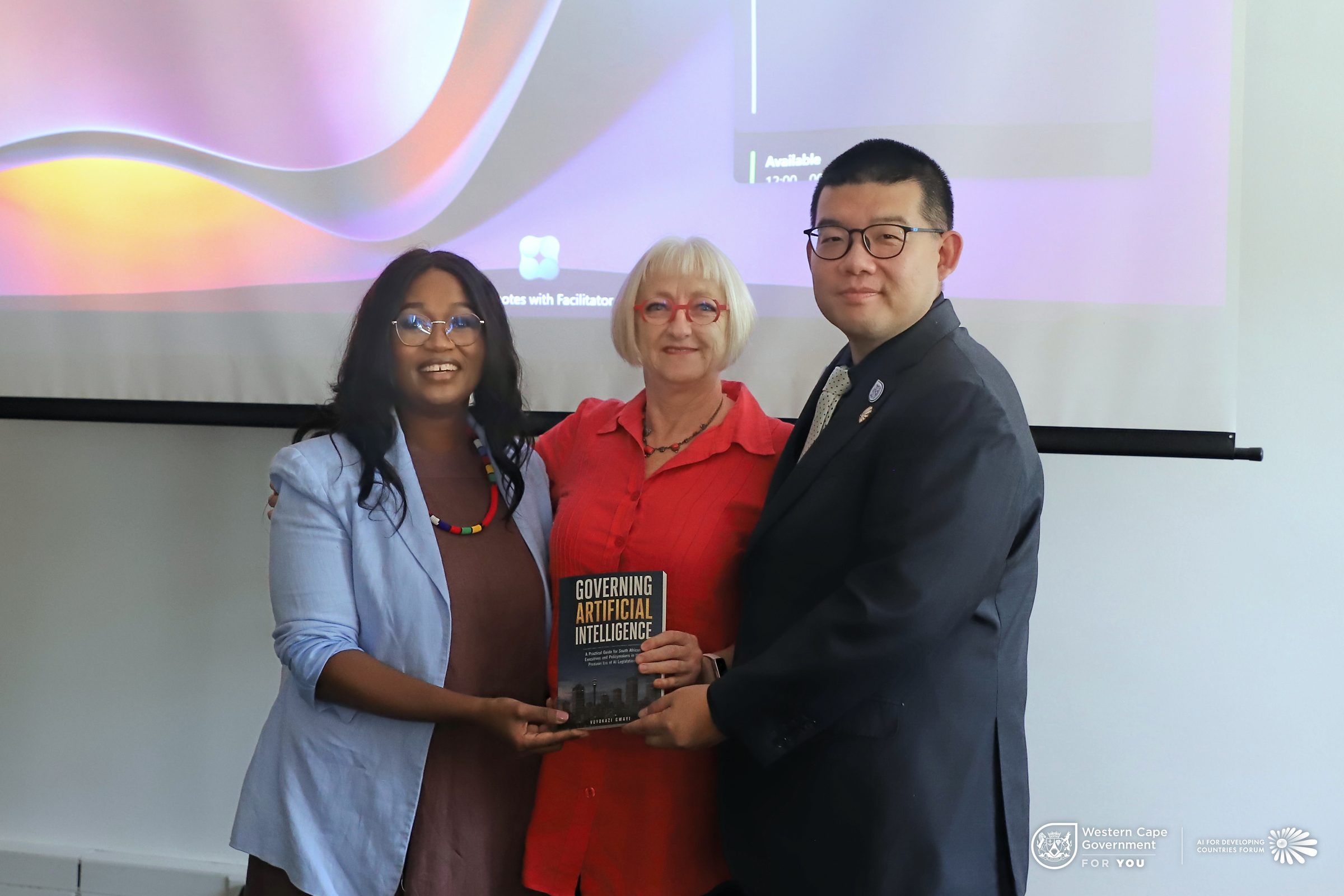
At the close, AIFOD delegate Vuyokazi Gwayi, a specialist in AI governance, presented the university with a copy of her new book, Governing Artificial Intelligence.
About AIFOD. The AI for Developing Countries Forum (AIFOD) is a membership organisation working on responsible, people-centred AI for developing countries. It is in Cape Town from 15 to 20 November 2026 on the first visit under its Memorandum of Understanding with the Western Cape Government Department of Infrastructure (DOI).