Stellenbosch LaunchLab tells Western Cape officials how African start-ups win customers in the North
Better, faster, cheaper: Stellenbosch LaunchLab tells Western Cape officials how African start-ups win customers in the North
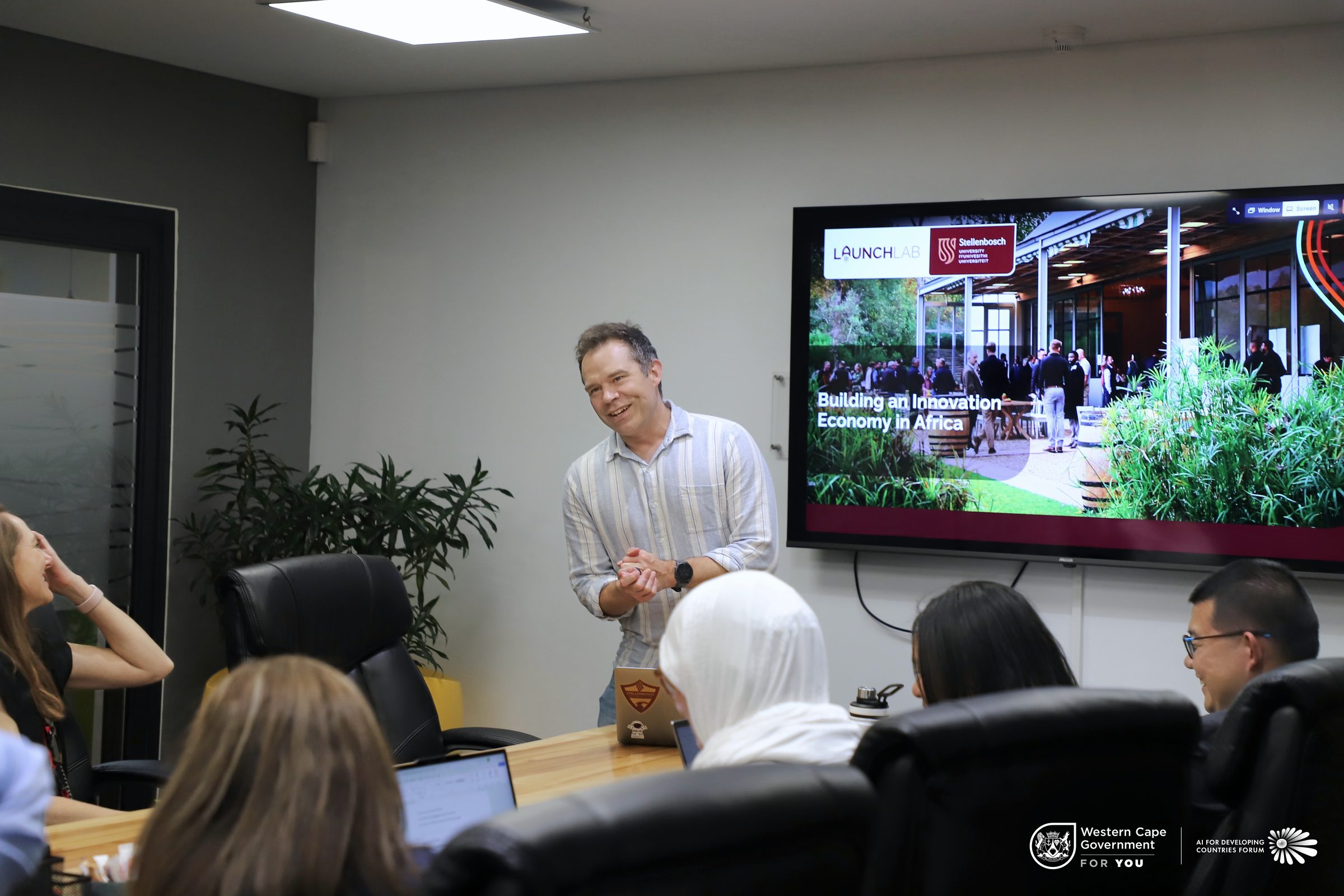
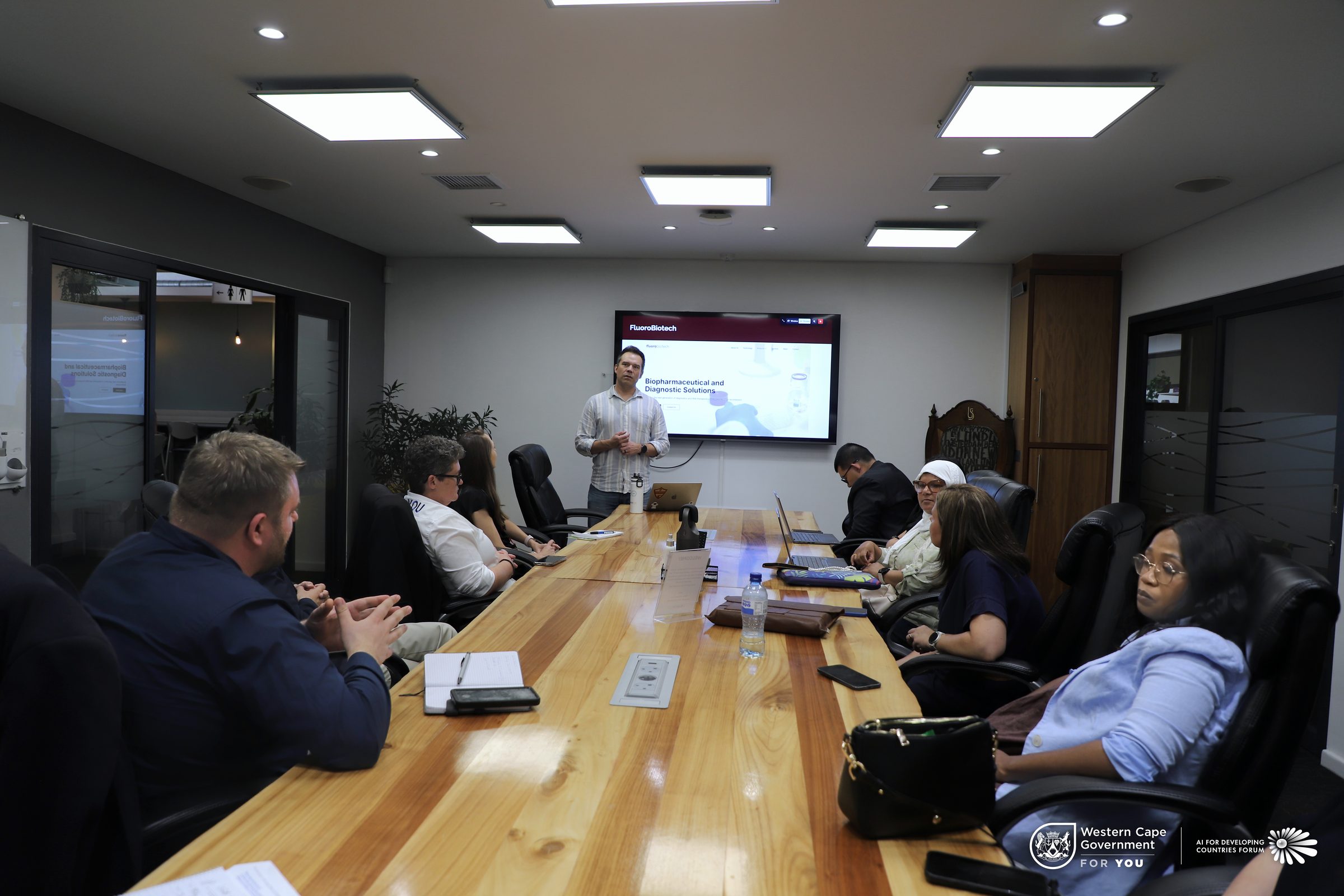
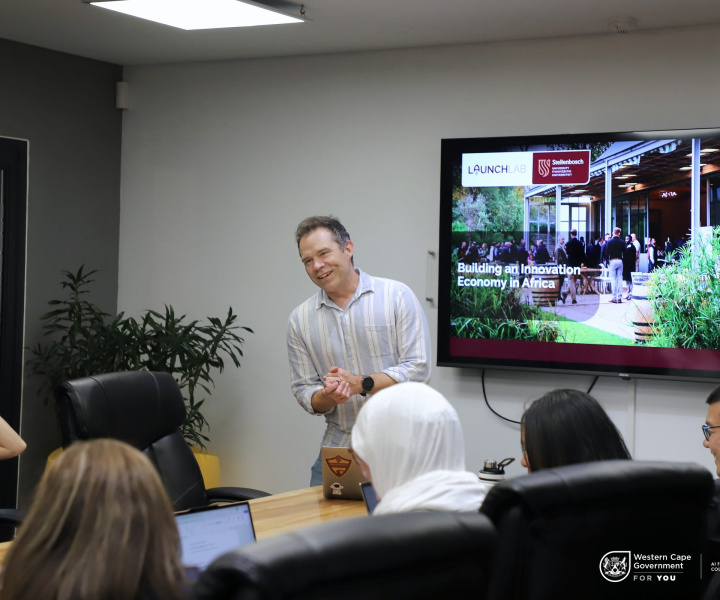
An economy in which only about one in ten people pays personal income tax is too small for the Silicon Valley kind of venture, Brandon Paschal of Stellenbosch University’s LaunchLab told the Western Cape Government Department of Infrastructure (DOI) and the AI for Developing Countries Forum (AIFOD) delegation on Thursday. What universities produce instead, he said, is industrial-scale innovation that transforms industries and makes new ones possible.
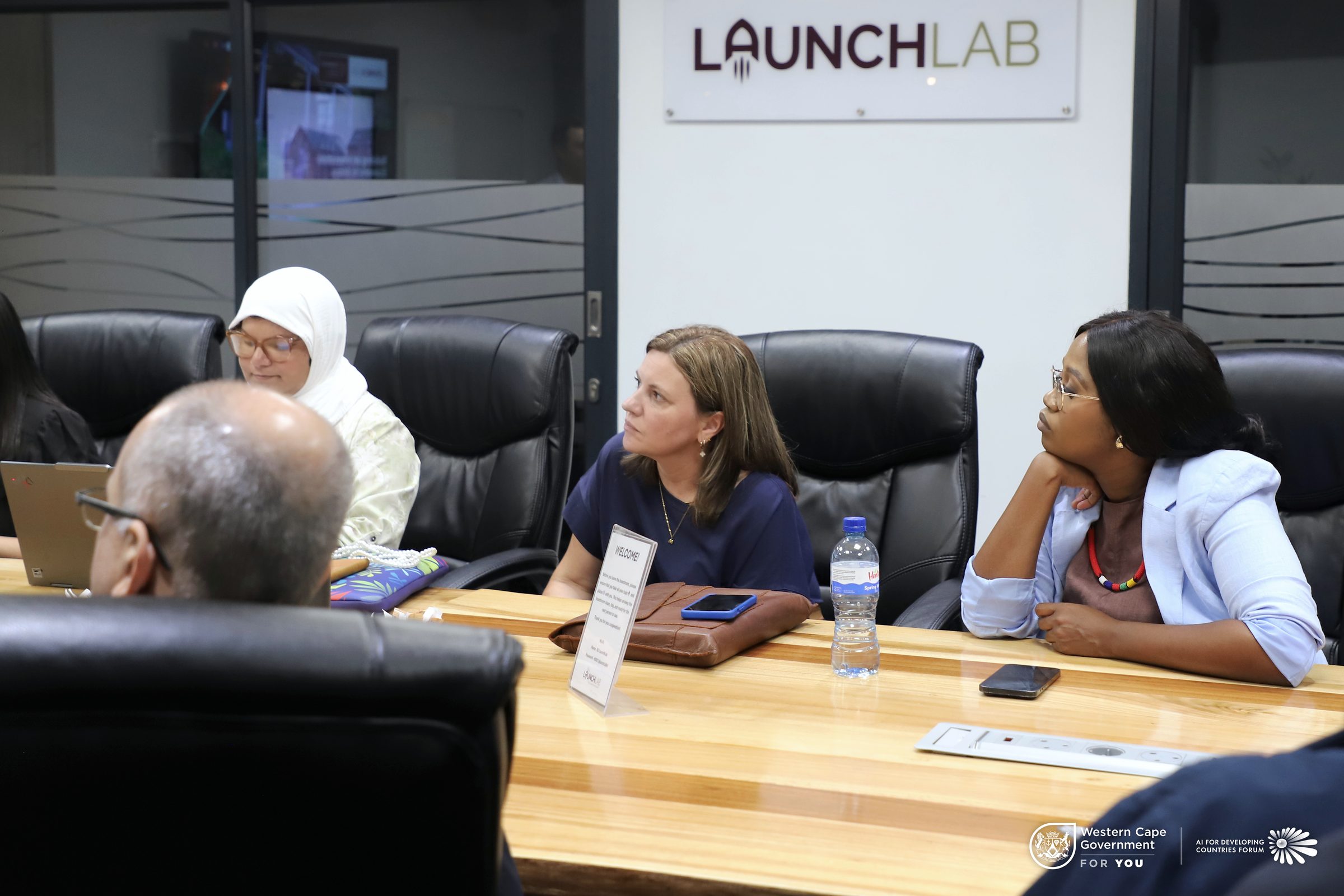
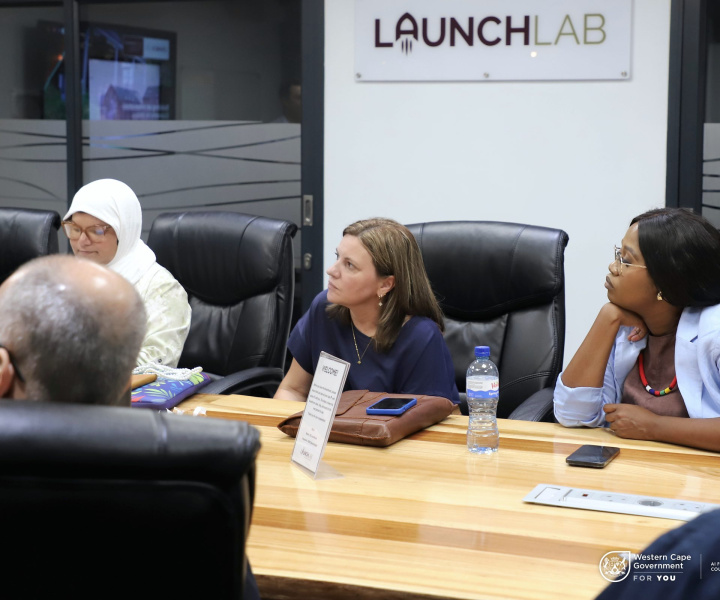
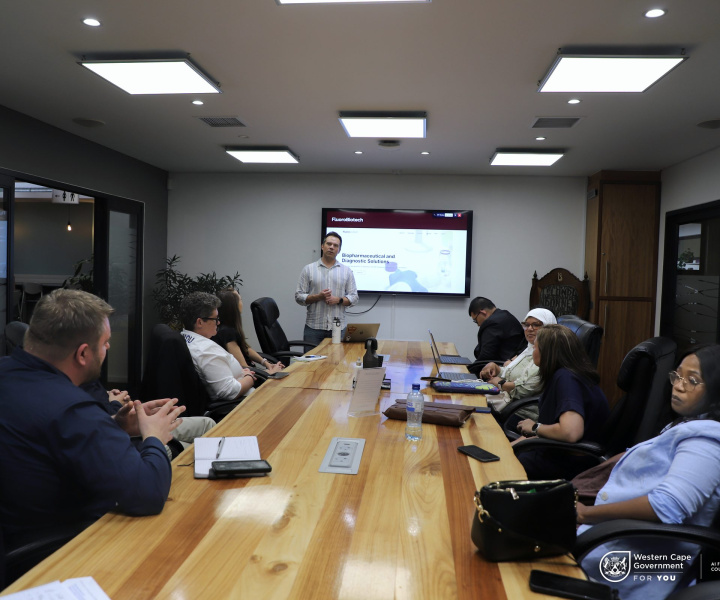
Introducing the delegation, Labeeqah Schuurman, Deputy Director-General: Strategy, Policy and Coordination, described the first projects under the Department’s Memorandum of Understanding with AIFOD and the milestones in Nairobi in February and Cape Town in May 2027. The Department has a memorandum of collaboration with the University of Cape Town and is preparing one with Stellenbosch University. Tianze Zhang, Co-Founder of AIFOD, said AIFOD wanted to learn how LaunchLab helps African start-ups scale, and offered to act as a bridge to investors and innovators.
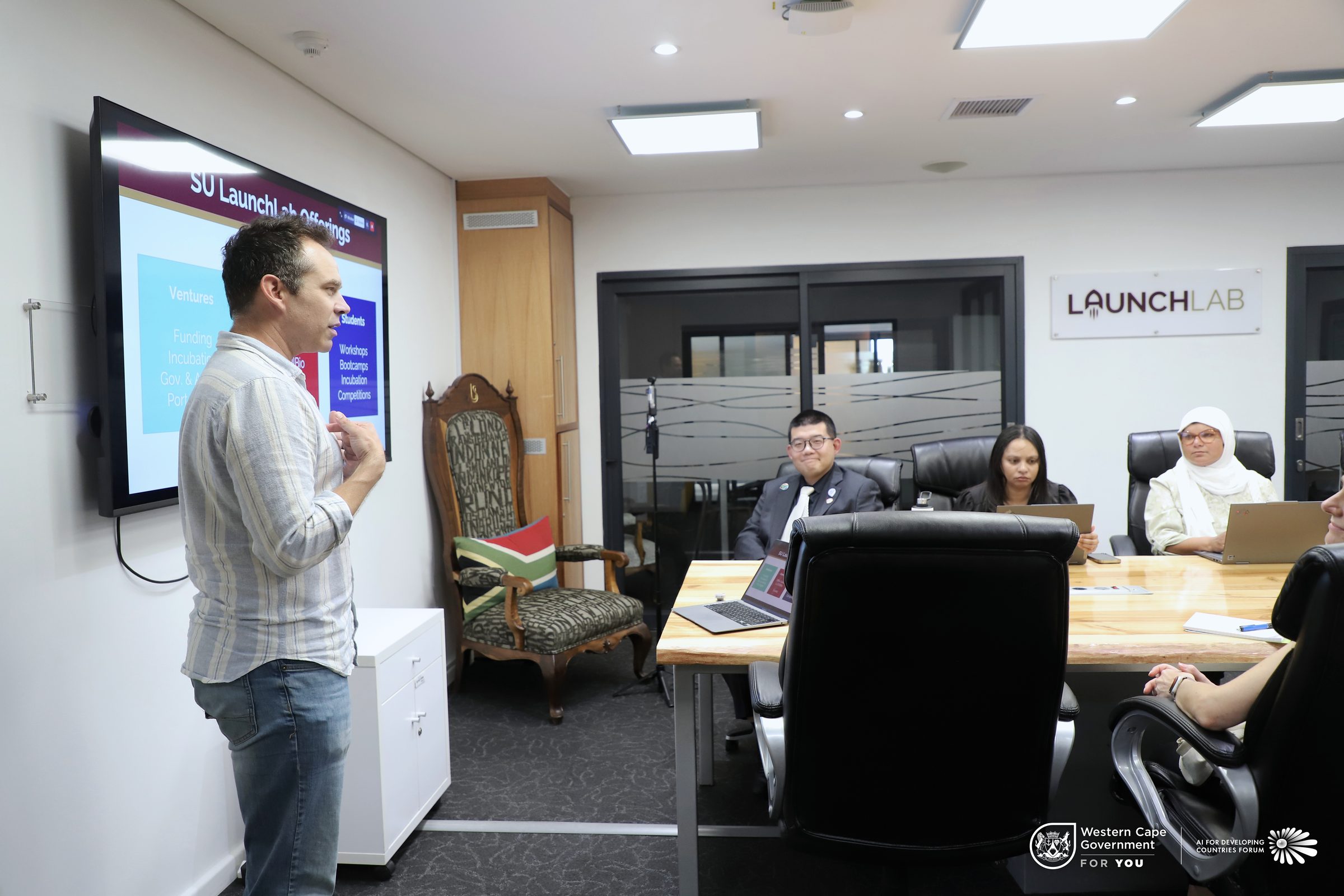
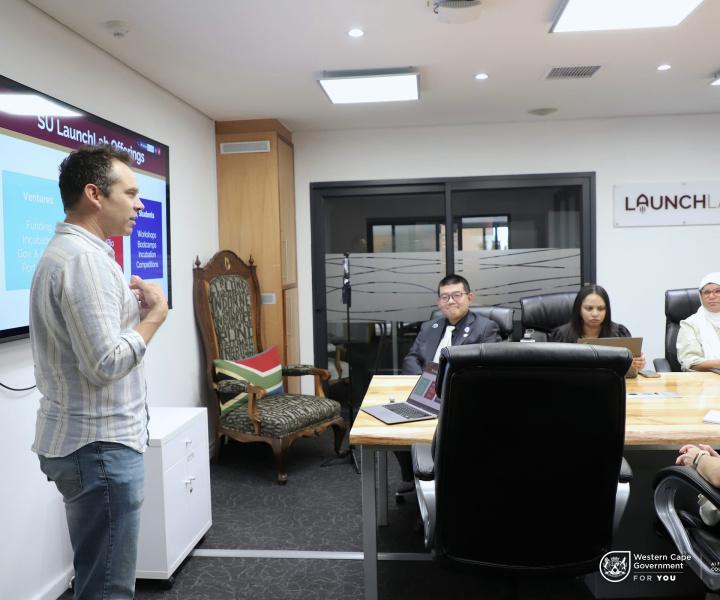
LaunchLab works mostly with companies spun out of university research. Its companies, Paschal said, are leapfrogging established industries in the Northern Hemisphere and winning clients there because they do things better, faster and cheaper. The jobs typically pay enough to put them in the middle-class core of any economy, and not only wealth for a few founders. About half of LaunchLab’s budget comes from residents of is building and the biotechnology laboratory next door, and it provides free services to student entrepreneurs.
Its 44 companies employ 542 people. Fifteen work in green technology, which Paschal linked directly to infrastructure; twelve are in health technology. Companies incubated at LaunchLab earned more than R1.5 billion in revenue last year and have raised more than R1.2 billion in investment since 2015, not counting grants. Of those that raise seed funding, 43 per cent raise more, against about a third in the United States and a quarter in Europe, and two-thirds are still in business five years later.
Examples included an electric vehicle (EV) Fleet AI company that helped Golden Arrow Bus Services plan the procurement and routes of its electric buses; Urobo Biotech, whose enzyme removes the bioplastic that contaminates plastic recycling in Europe; Mellowvans, whose small electric delivery vehicles work in Cape Town’s city centre; and CubeSpace, which makes satellite control systems and counts the National Aeronautics and Space Administration (NASA) as a client.
LaunchLab’s method spends little time on business plans and much on customer discovery. In its nine-week programme, teams map where they really sit in their industry’s value chain, learn to ask questions that do not simply sell their product, and then spend four weeks talking to potential customers and reporting back what they have learned. The hardest money to find, Paschal said, is a round of R2 million to R3 million: too large for most angel investors and too small for venture funds.
AIFOD delegates described the Future AI Responsibility (FAIR) Passport, which records how a solution has been evaluated so that it can be adopted more quickly in other countries. Paschal suggested it could interest one of LaunchLab’s biotechnology companies, which plans to set up production in East and West Africa. For many of these companies, the delegation concluded, the barrier is adoption as much as funding.
About AIFOD. The AI for Developing Countries Forum (AIFOD) is a membership organisation working on responsible, people-centred AI for developing countries. It is in Cape Town from 15 to 20 November 2026 on the first visit under its Memorandum of Understanding with the Western Cape Government Department of Infrastructure (DOI).