Roundtable in Cape Town asks who benefits when a government buys AI
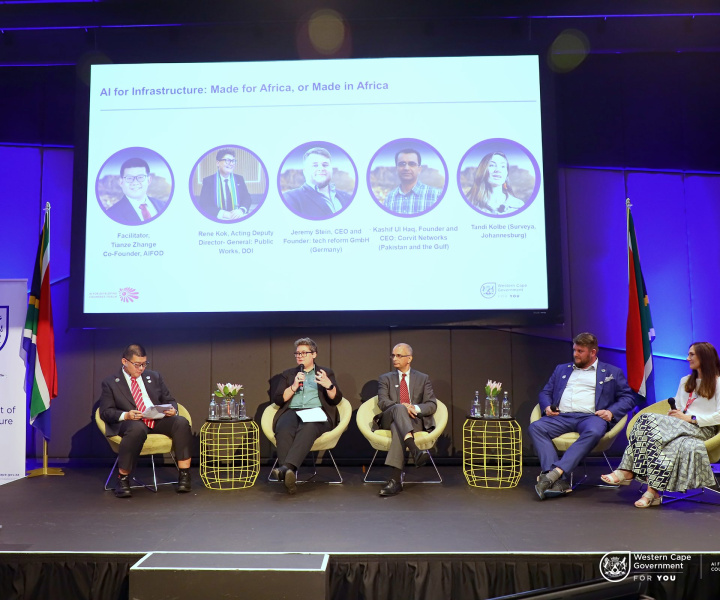
Tianze Zhang opened Wednesday’s (18 November 2026) roundtable by asking the audience to name an AI model that was born in Africa. Few could. “That silence,” he said, “is our subject.”
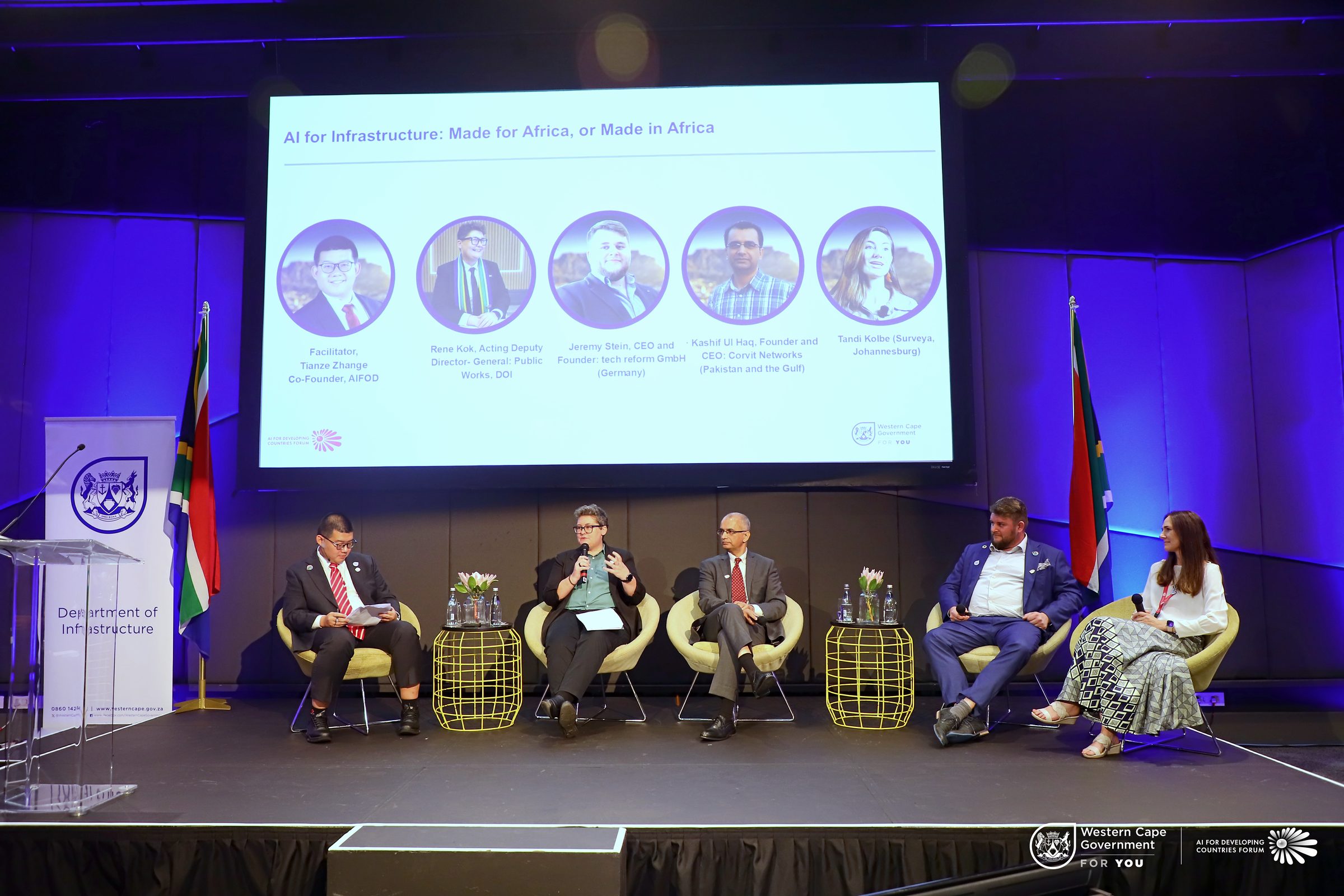
Zhang, Co-Founder of the AI for Developing Countries Forum (AIFOD), was moderating a discussion at the WCG DOI–AIFOD co-hosted AI Infrastructure Ministerial Networking Forum. Africa has about 18 per cent of the world’s people and less than one per cent of its data-centre capacity, he said, and some 2,000 languages, of which today’s models handle about 40. What is missing is not talent or ideas but capital, computing power and a first customer willing to trust a local product.
The question drew an audience from the continent it concerns. More than 100 people attended in Cape Town and 308 people from 58 countries registered online; about half of those who registered online were in Africa, led by South Africa, Kenya, Nigeria, Ghana and Egypt. Thirty-four were from universities and research bodies, among them the University of the Witwatersrand, Stellenbosch University, the University of South Africa, the University of Ghana, the Egyptian E-Learning University and Mohammed VI Polytechnic University in Morocco.
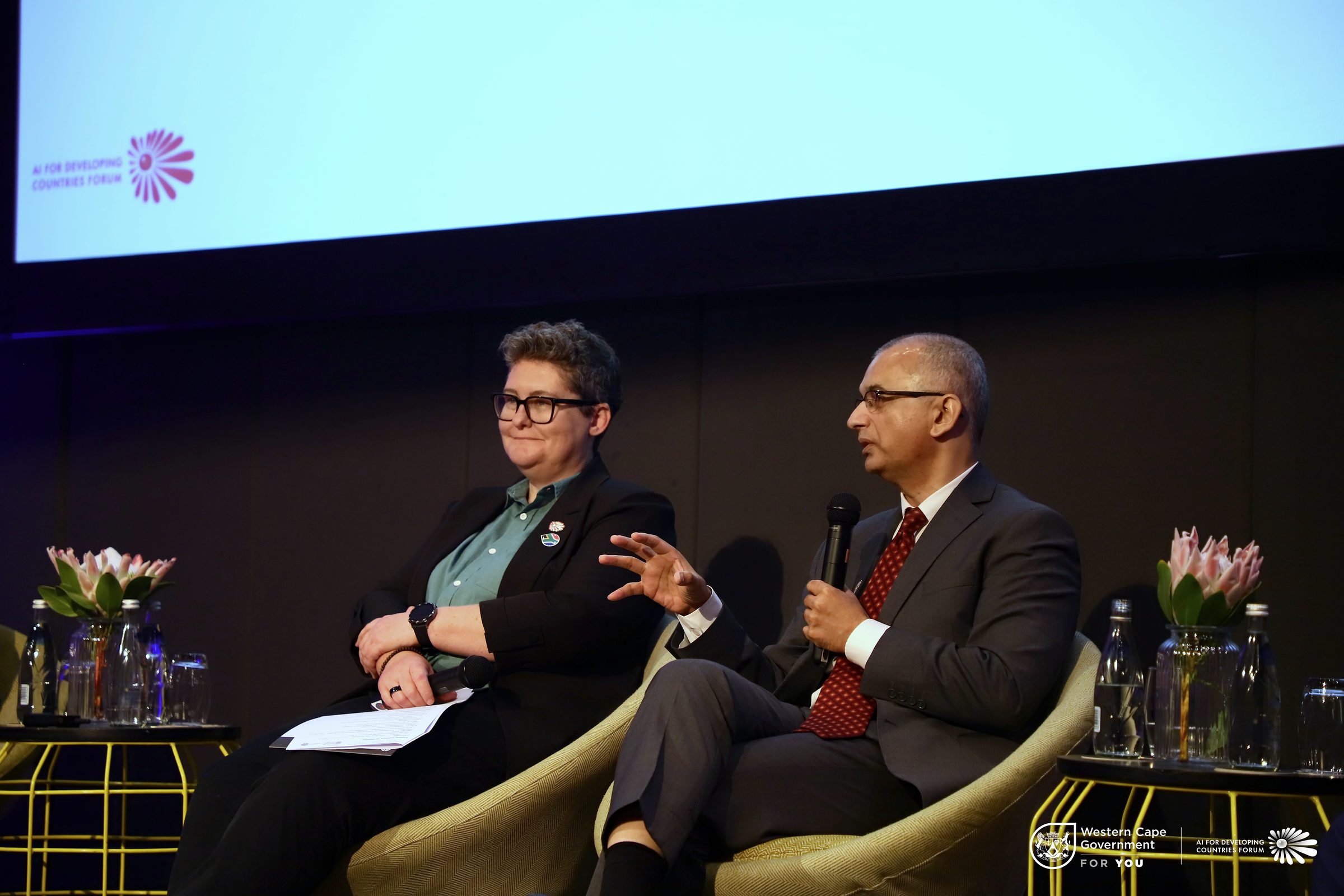
René Kok, Acting Deputy Director General: Provincial Public Works in the Western Cape Government Department of Infrastructure believes that technology only matters if it makes a difference in people's lives. Sharing the Department's progress in digital immovable asset management and AI-supported maintenance planning, she highlighted how better information can help Government make smarter and quicker decisions, use limited resources responsibly and prioritise infrastructure that communities depend on. "At the heart of every infrastructure decision are the people we serve. AI can support better decisions, but people must always remain at the center of these decisions.”
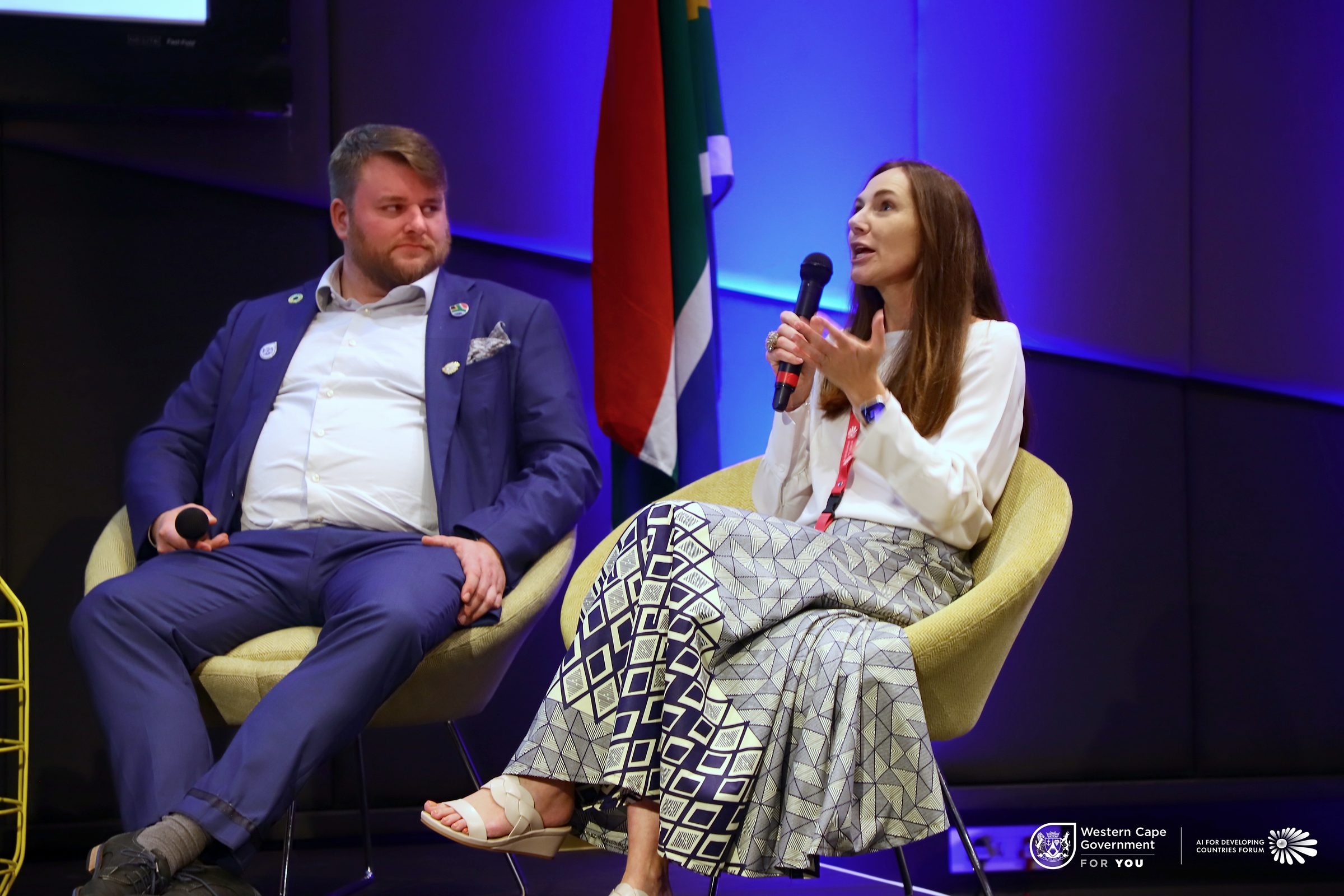
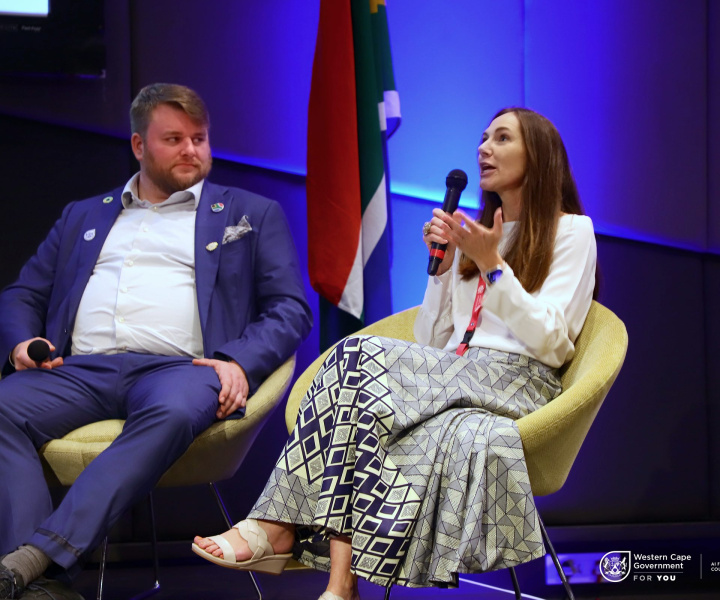
Tandi Kolbe, Chief Executive of the Johannesburg survey company Surveya, said infrastructure depends on public trust more than on concrete and steel. In Ethiopia, she said, a survey on a toll road between Addis Ababa and a new airport found that people were willing to pay, and how much. Where the public is not asked, projects can leave governments with debt. AI agents now make it cheap to build survey tools and to clean and analyse the answers. Her company still depends on models built elsewhere and wants one that represents local voices.
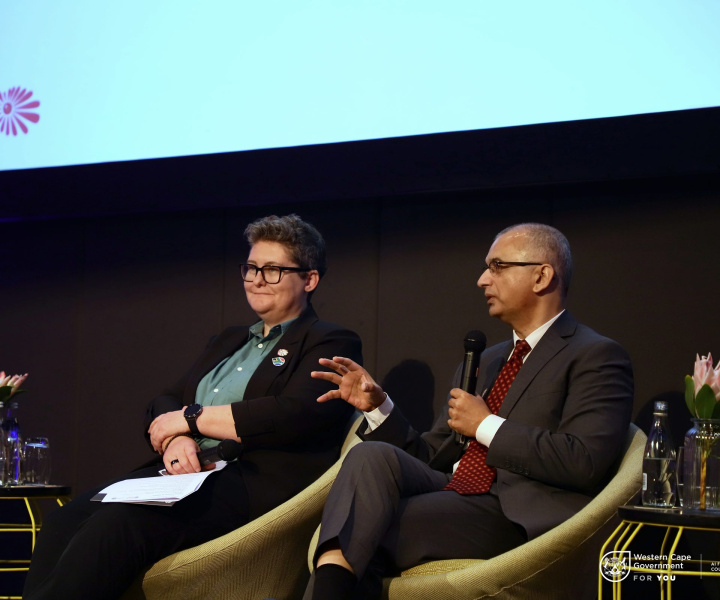
Kashif Ul Haq, Founder and Chief Executive of Corvit Networks, said AI will change innovation itself by putting it within everyone’s reach, and that government’s task is to protect the conditions in which people innovate.
He said Pakistan sends about US$200 million a year to AI companies abroad, a figure expected to pass US$1 billion within two years. His answer is local “AI factories”, data centres running open-source models, built by private investors with government as an anchor user, so that most everyday use stays in the country while the hardest tasks still go to the best global products. Policy, he said, should start from hope and not from fear.
Jeremy Stein, Founder and Chief Executive of tech reform GmbH proposed the integration of national skills frameworks developed by the University of the Western Cape and the ontology team of the University of Cape Town to capture the reality of communities, businesses, departments and their interconnected processes. Building this digital public infrastructure to smoothen public-private partnership, integrating the Protection of Personal Information Act and other legal frameworks will allow South Africa to build their own operating system, a fully integrated and FAIR (Future AI Investment Responsibility) ecosystem.
Asked for a closing thought, Kolbe said experienced people become more valuable in an AI economy, not less, and called the Western Cape a working example of thinking before adopting.
About AIFOD. The AI for Developing Countries Forum (AIFOD) is a membership organisation working on responsible, people-centred AI for developing countries. It is in Cape Town from 15 to 20 November 2026 on the first visit under its Memorandum of Understanding with the Western Cape Government Department of Infrastructure (DOI).