How the Western Cape rebuilt its register of more than 5,000 public properties
Two years ago the only complete record of more than 5,000 properties owned by the Western Cape Government was a single spreadsheet, maintained by one official and known to contain errors.
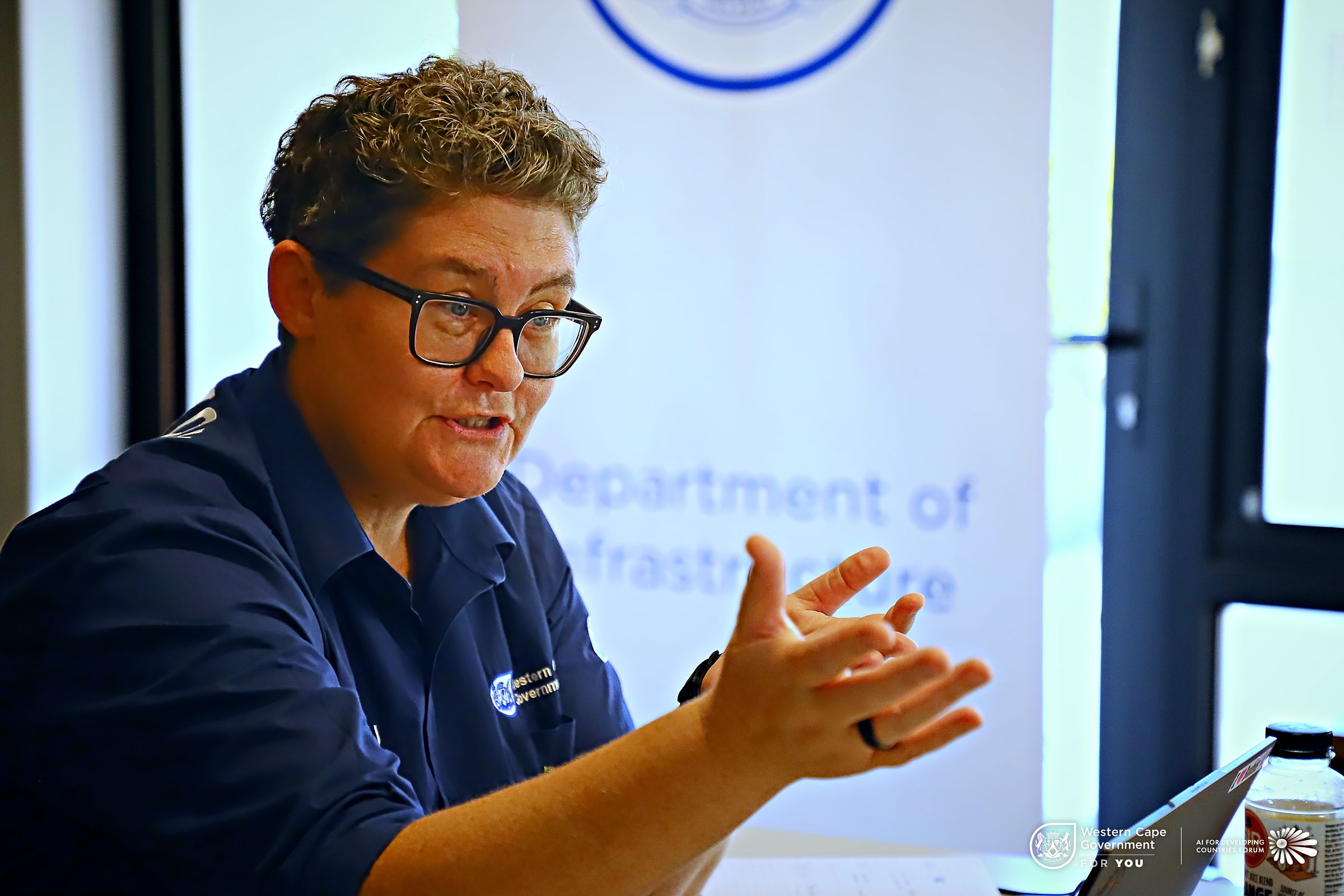
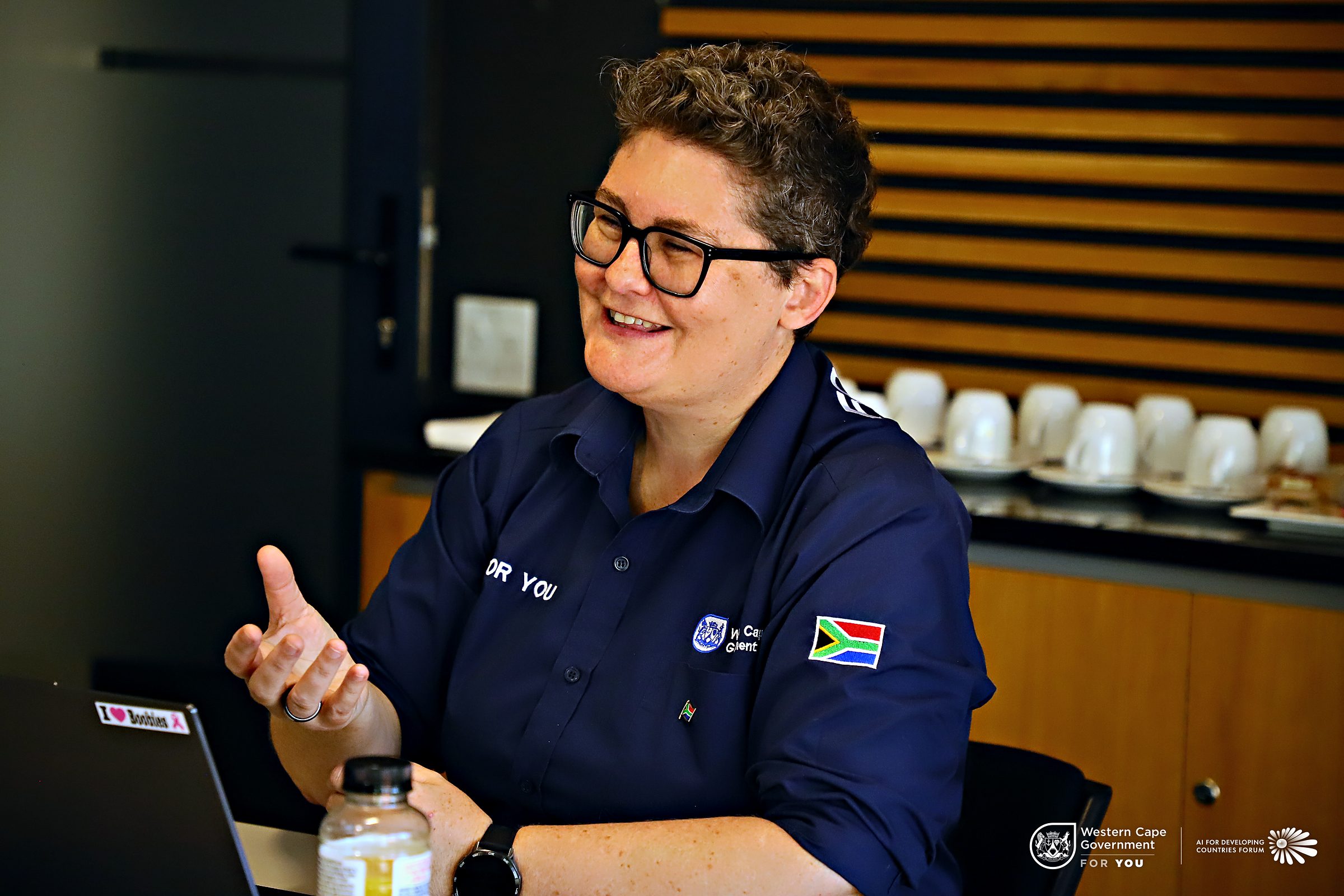
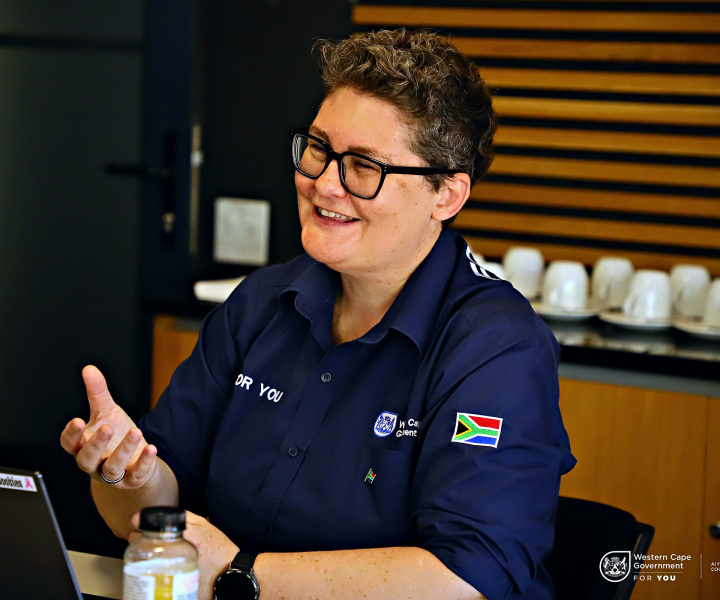
That was the starting point, René Kok told a visiting delegation from the AI for Developing Countries Forum (AIFOD) on Monday. Kok, Acting Deputy Director-General: Public Works in the Department of Infrastructure, is a quantity surveyor by training. He describes himself as a “brick counter” rather than an AI expert, and says that if he can understand a tool, his team can too.
The replacement is InFrame, an asset register covering about 5,500 land parcels: schools, hospitals, nature reserves, social development facilities and the provincial archives. Nothing enters it on one person’s word. Capture, verification and authorisation are done by three different people, and a title deed cannot be recorded as registered until the deed itself has been uploaded. About 80 per cent of the old data has been cleaned.
On that base the Department is adding tools. Two closed chatbots, trained only on the legislation officials must apply, answer property and legal queries. Facility inspections are moving from clipboards to a mobile app. A maintenance budget optimiser, still in testing, tells a school with R100,000 what to fix first, and its advice is checked by a person before it goes out. The building where the delegation met is itself a full digital twin, fitted with sensors.
Kok also set out the limits of data. A school may be expensive to maintain and still be the only one within 20 kilometres. AI uses the data it is given, he said, and it is not in the room when the decision is made; the child who walks to that school is not in the room either, so somebody there has to speak for the child. Responsibility for a decision stays with the official and does not pass to a chatbot.
The Department reports 13 consecutive clean audits. South Africa’s other eight provinces have been briefed on the system, and a delegation came to see it about a month ago.
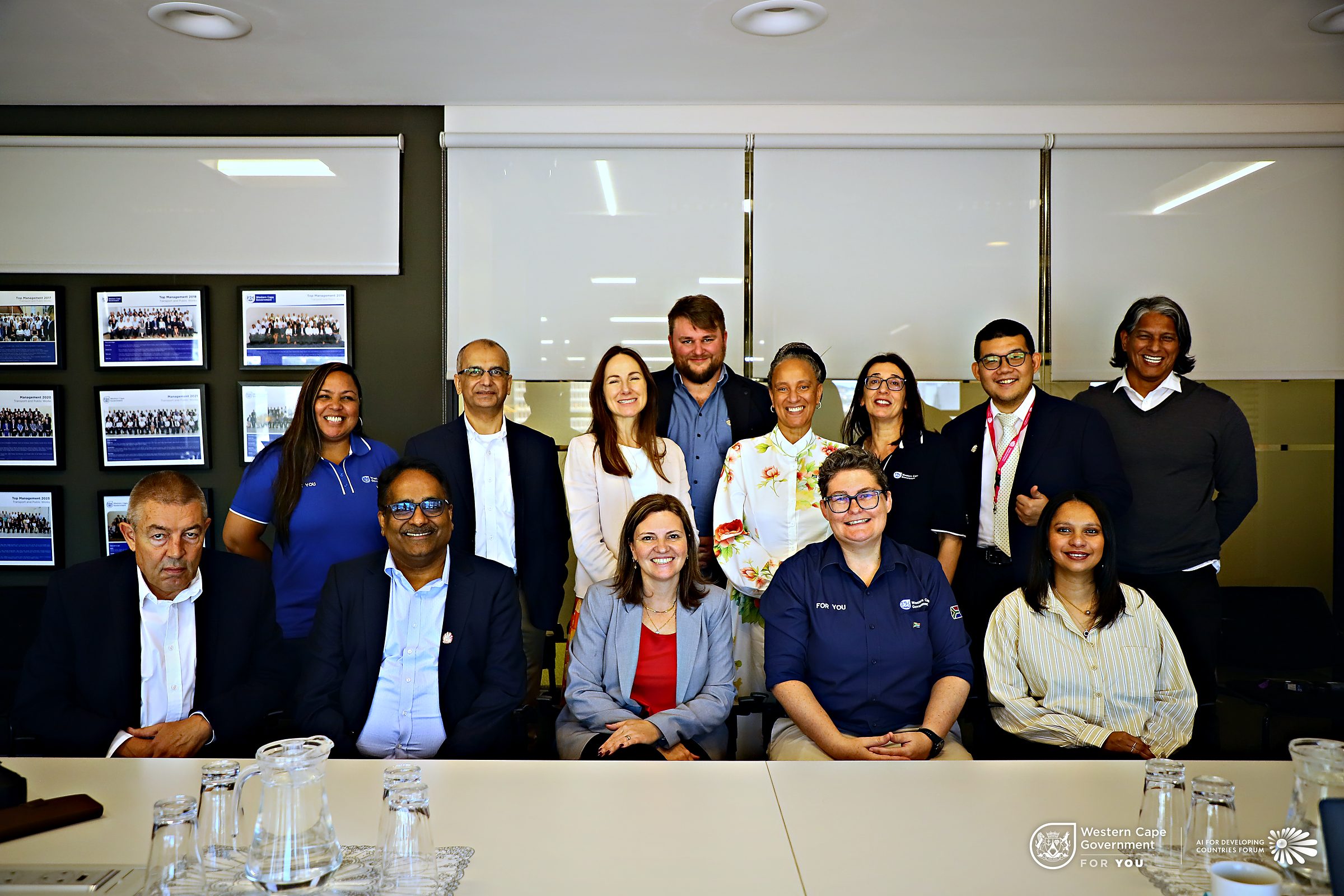
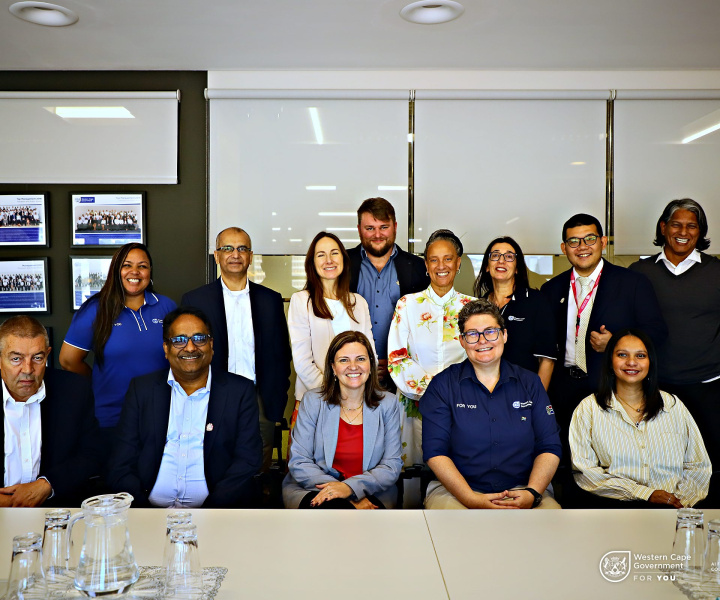
AIFOD delegate Anand Tatavarthi, Chief Executive of Adaps, suggested the next step: publish measurable service levels for the system, so that people can see what it delivers. Members of the delegation described the Department’s approach as a working example of keeping a human in the loop.
About AIFOD. The AI for Developing Countries Forum (AIFOD) is a membership organisation working on responsible, people-centred AI for developing countries. It is in Cape Town from 15 to 20 November 2026 on the first visit under its Memorandum of Understanding with the Western Cape Government Department of Infrastructure (DOI).