Fifty-seven (57) kilometres of records await transfer as the province plans a new building and the careful use of AI
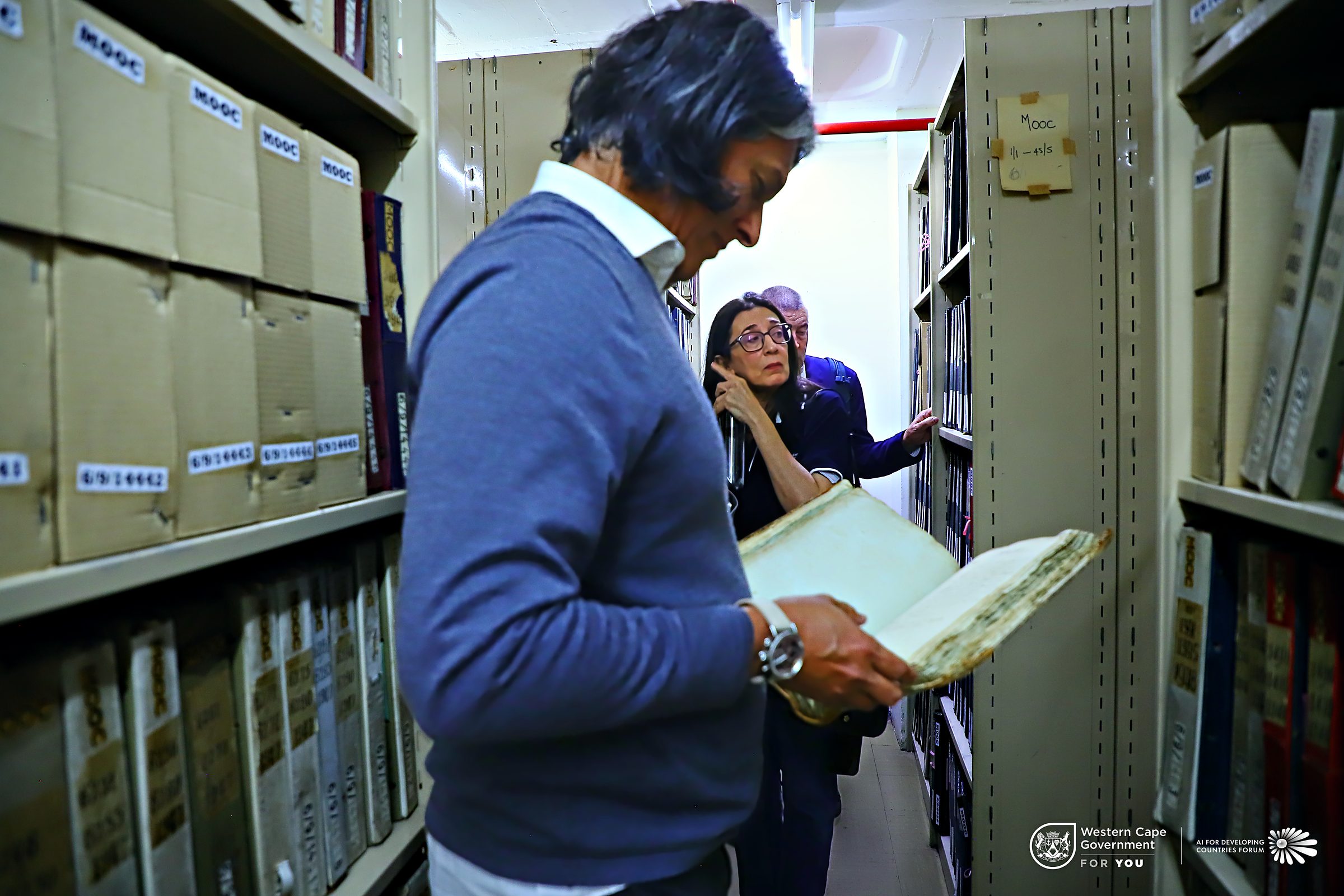
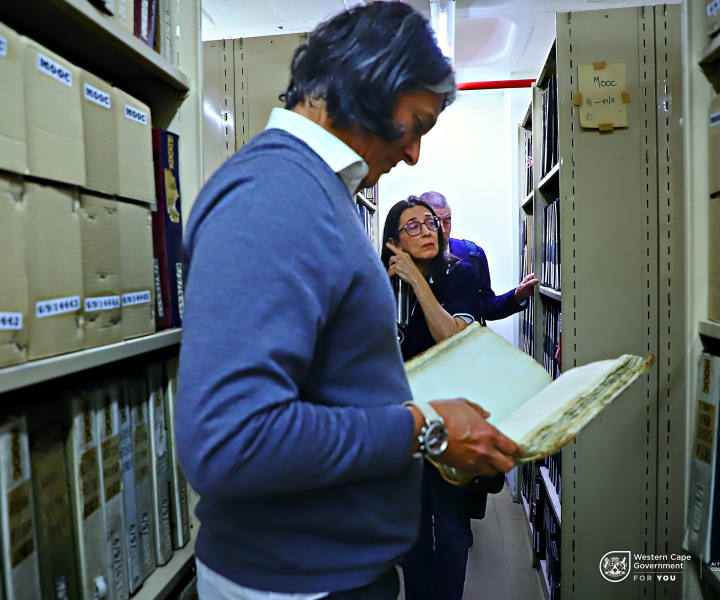
The Western Cape Archives and Records Service keeps more than 45 kilometres of shelved records at 72 Roeland Street, a former prison in central Cape Town. The oldest date from 1651. A larger volume is still waiting to be transferred.
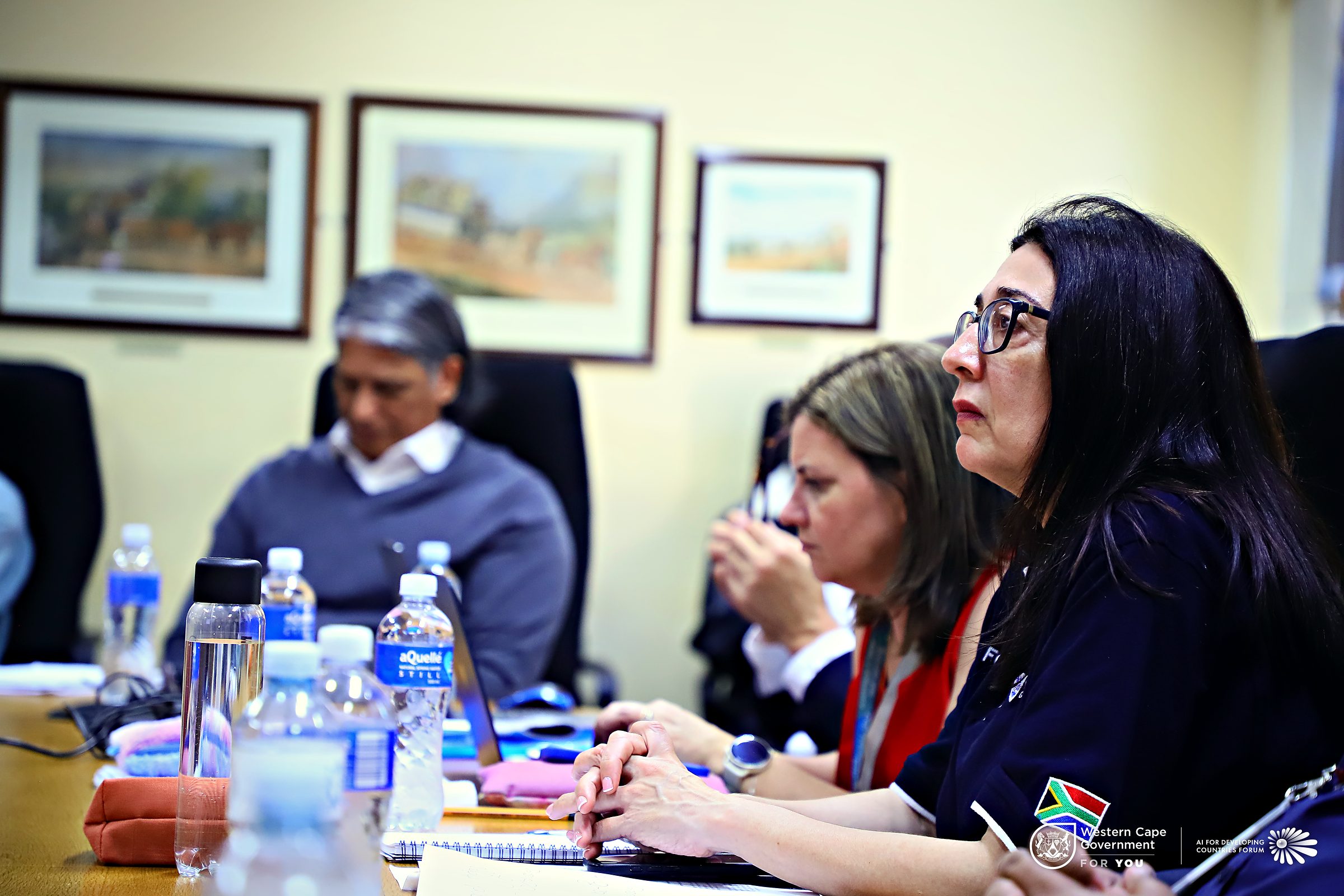
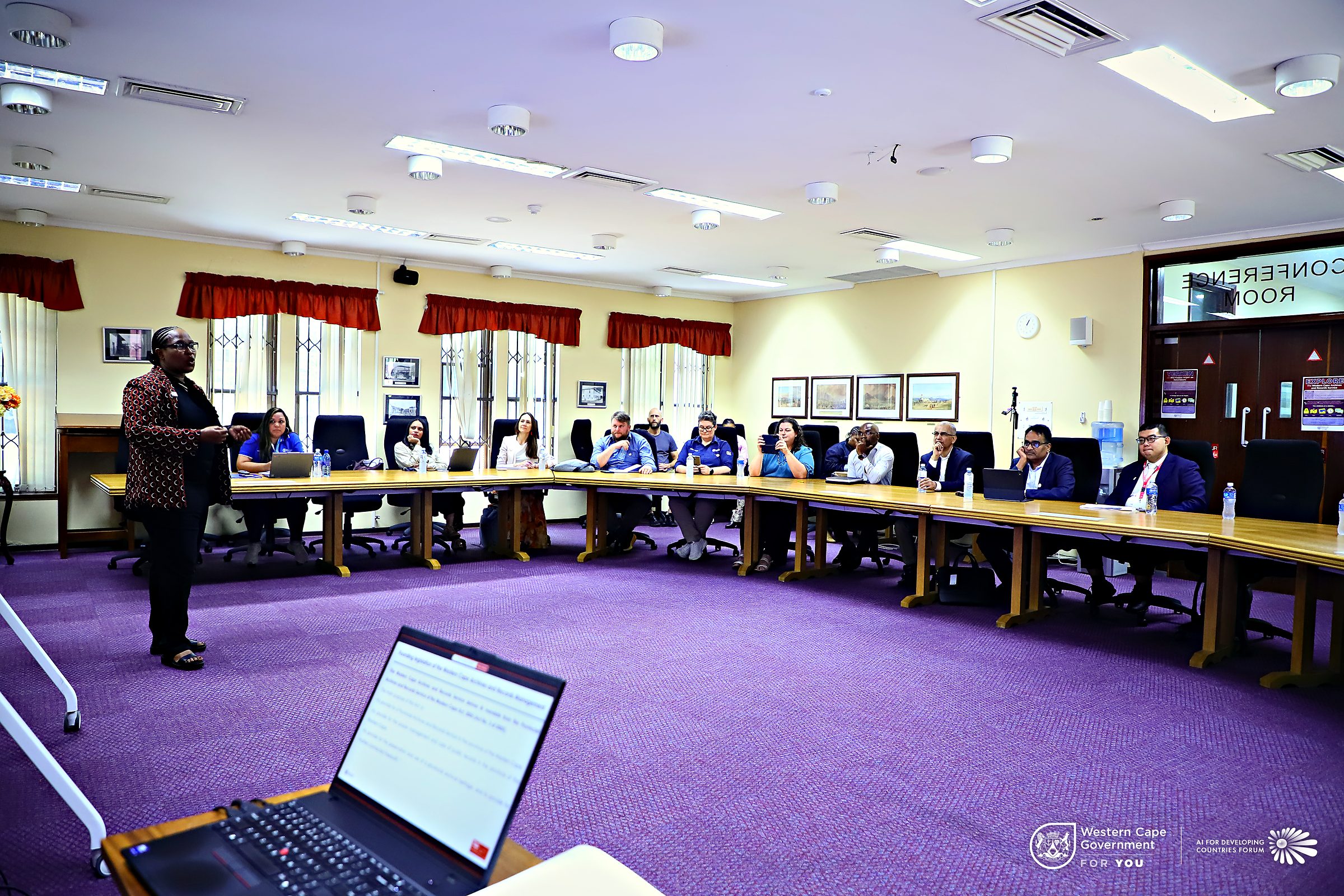
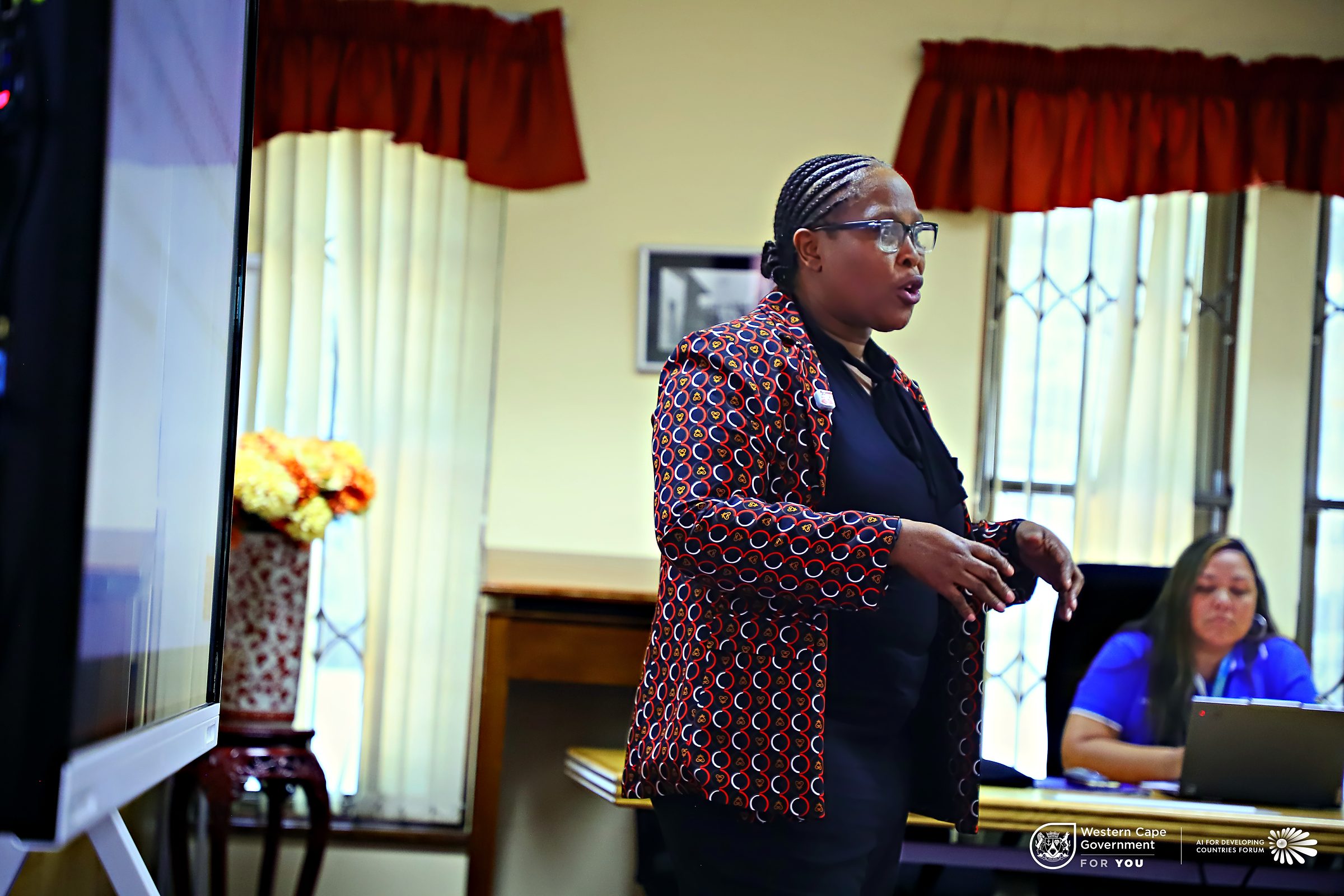
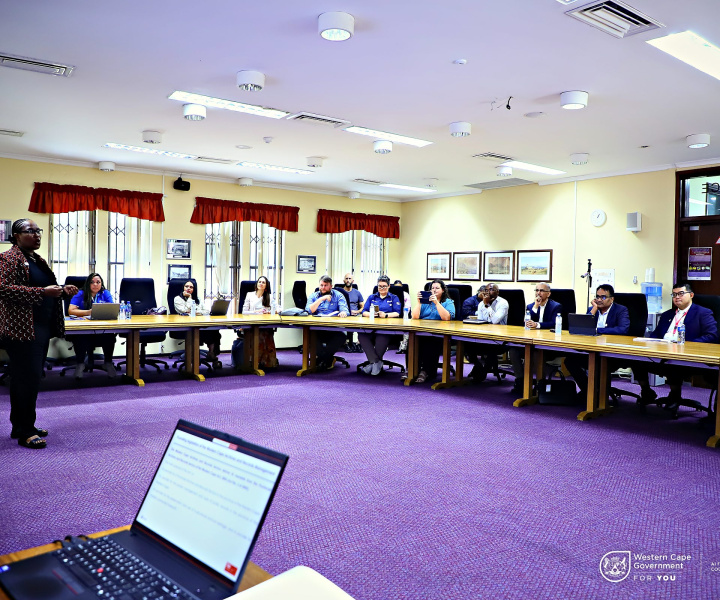
About 57,000 linear metres of records that the law says should be transferred to the archive are sitting in the offices that created them, because the building is full, the Provincial Archivist told a delegation from the AI for Developing Countries Forum (AIFOD) and the Department of Infrastructure on Monday. The last large intake was in 2014. Much of the record of democratic South Africa has therefore not reached the one institution allowed to open it to the public.
A new building has been designed and costed and is ready for construction. The full programme of six phases is put at about R1.22 billion and the first phase at R326.7 million, subject to budget. It would add a data centre for electronic records, scanning and microfilm facilities, cold storage and a map room.
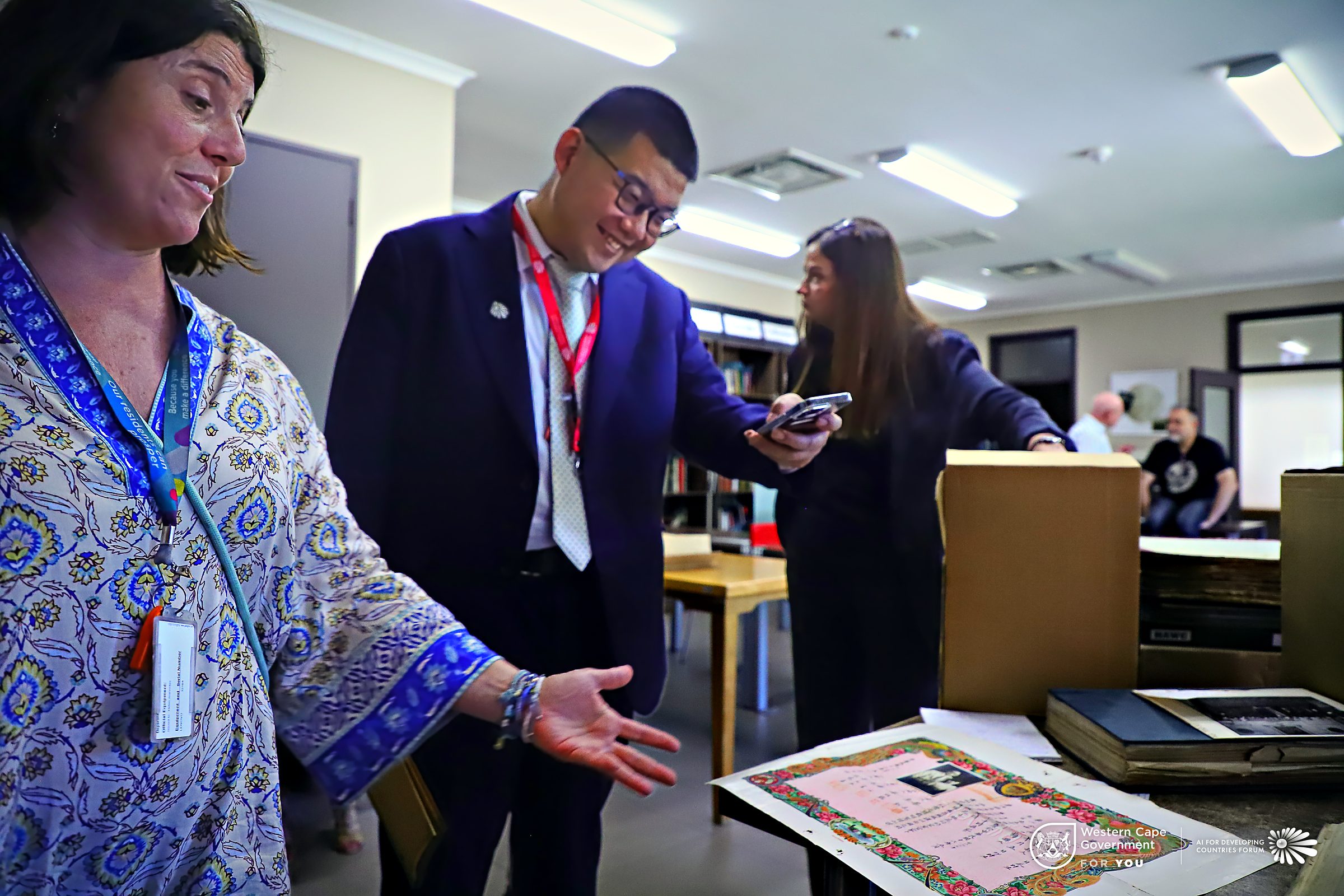
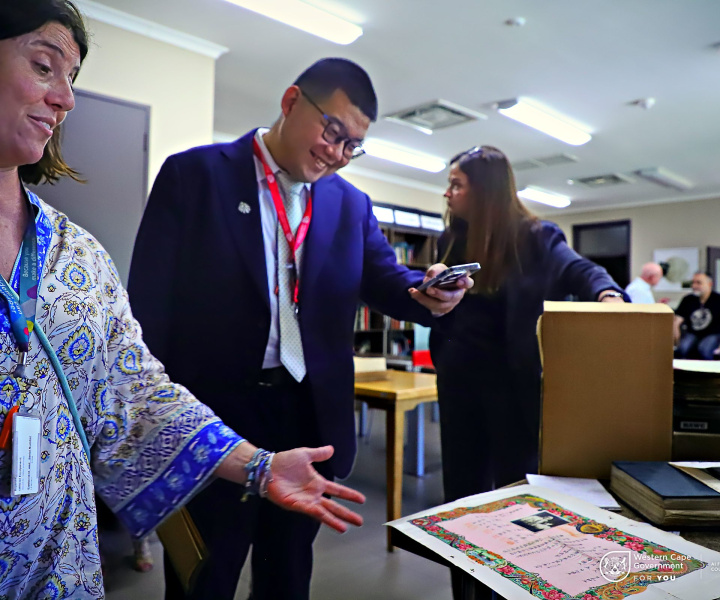
The archive’s leadership explained why this matters beyond storage. Its records have helped a family establish what happened to a relative who died in exile during the liberation struggle, as part of a national programme to bring such remains home. In the reading room, staff showed immigration and estate files that descendants now use to prove European ancestry, alongside 237 volumes of Indian and Chinese immigration records.
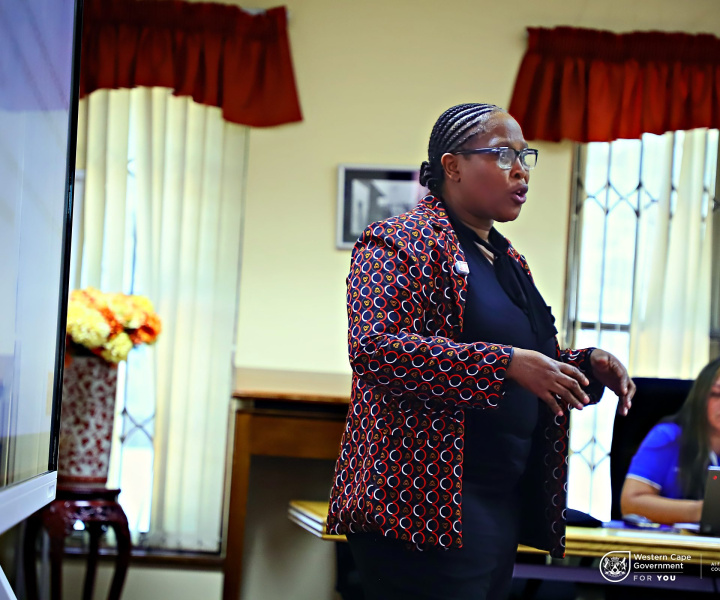
The archive has digitised about 25 terabytes since 2014, so far viewable only on site. Its plans include AI to read, transcribe and translate handwritten documents and an always-available “talk to an archivist” service, with a person involved at every step and privacy law applied to living people named in old files.
That led to a thoughtful exchange about who looks after such a collection in the age of AI. Members of the delegation suggested that the holdings are a valuable asset, that it can be worth checking what data any outside AI tool retains, and that there may be room for commercial users to pay for added services while public access stays free. AIFOD Co-Founder Tianze Zhang raised the idea of safeguards so that AI models use the holdings only with permission.
A researcher in the room added a note of caution. South Africa has a history of its resources being extracted by others, the researcher said; the owners of this data are the people of the Western Cape and not the archive, and it should not enter AI training sets without their knowledge.
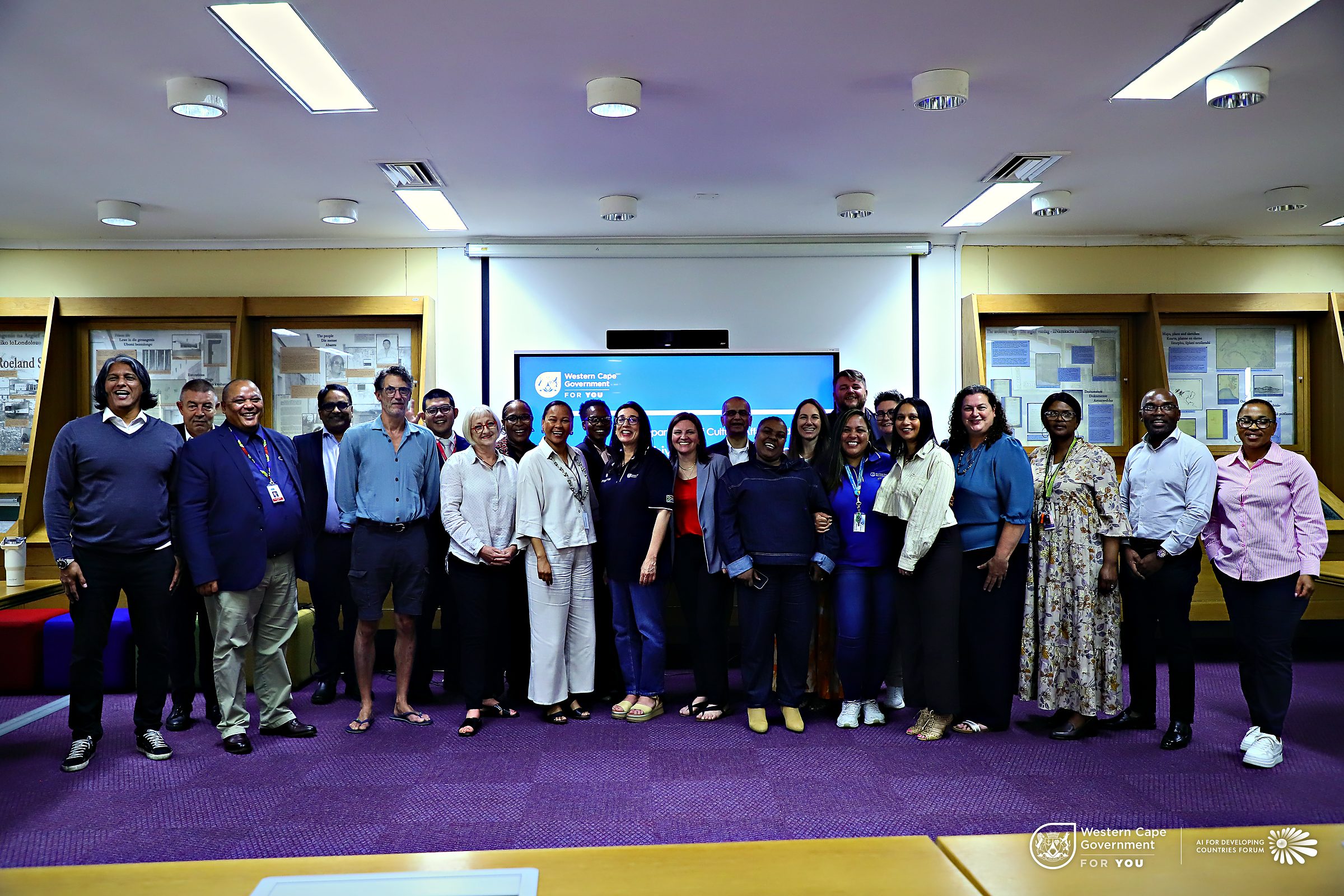
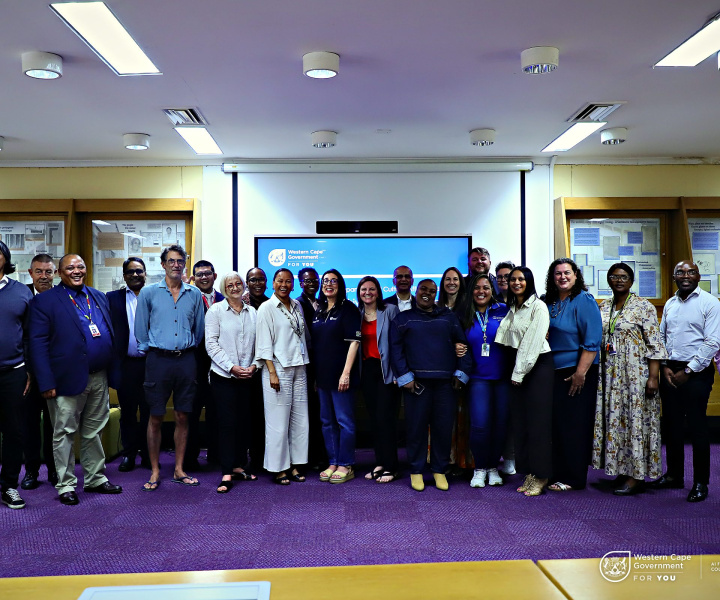
About AIFOD. The AI for Developing Countries Forum (AIFOD) is a membership organisation working on responsible, people-centred AI for developing countries. It is in Cape Town from 15 to 20 November 2026 on the first visit under its Memorandum of Understanding with the Western Cape Government Department of Infrastructure (DOI).