CapeNature: could the Western Cape’s AI partnership reach a penguin colony and the community beside it?
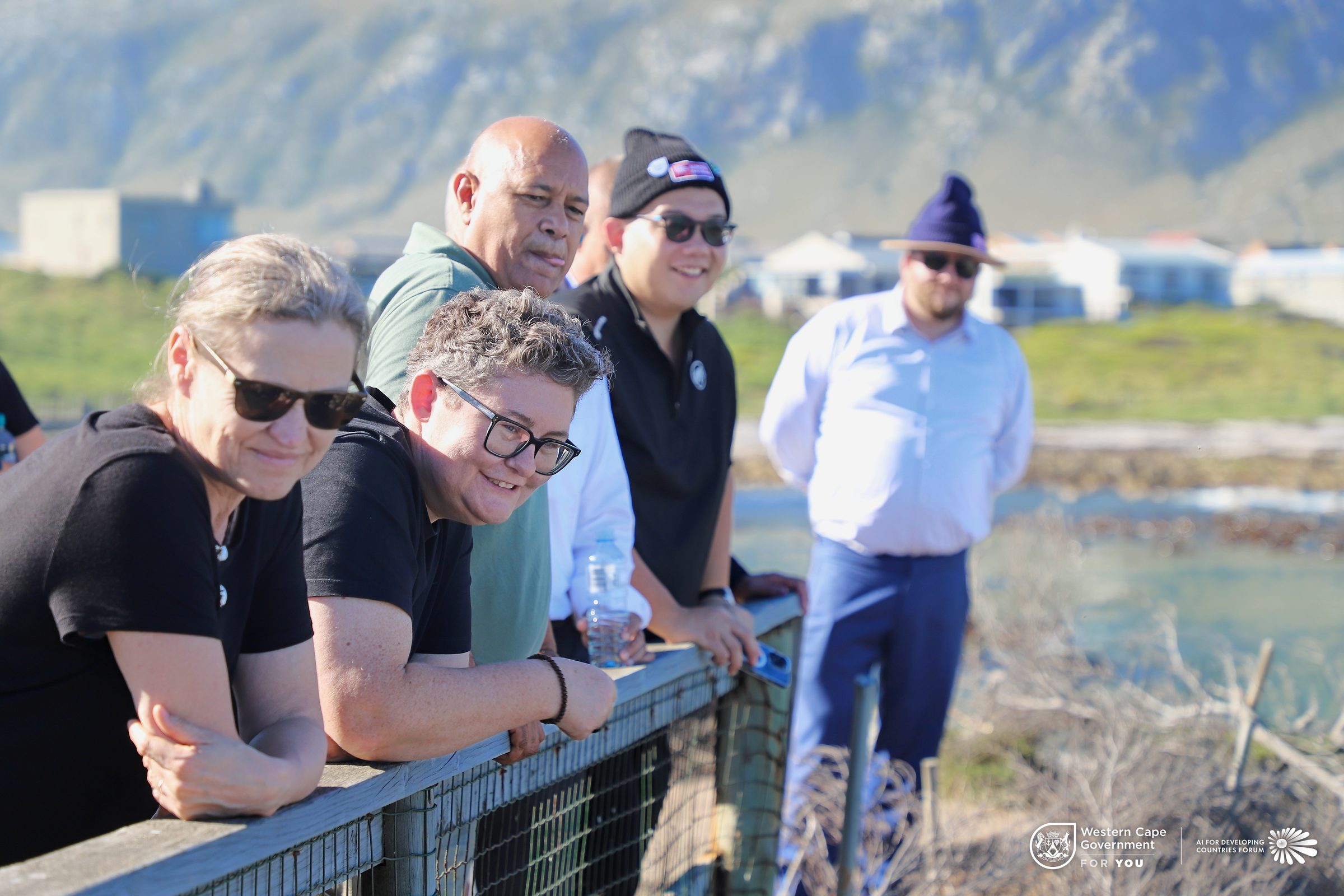
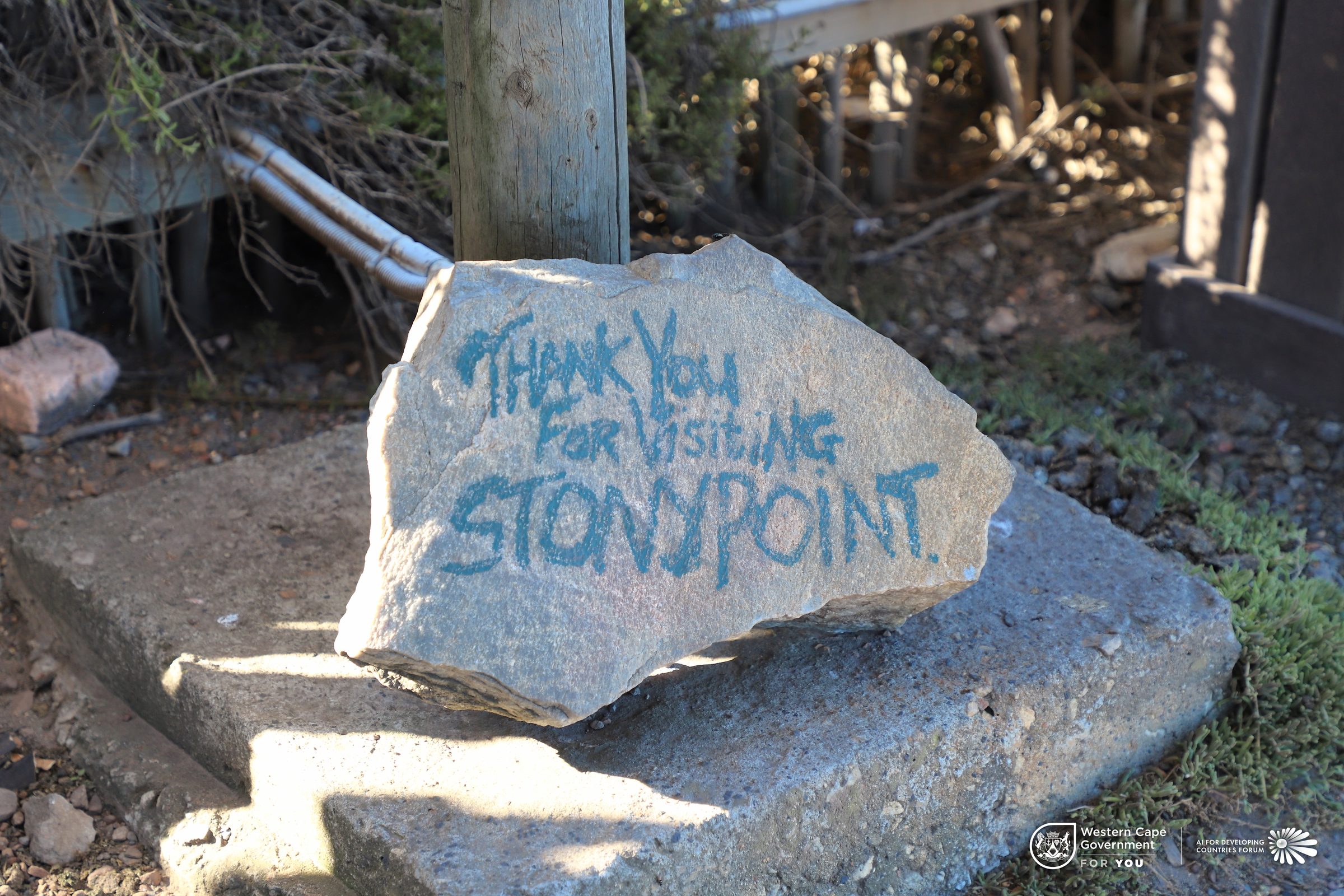
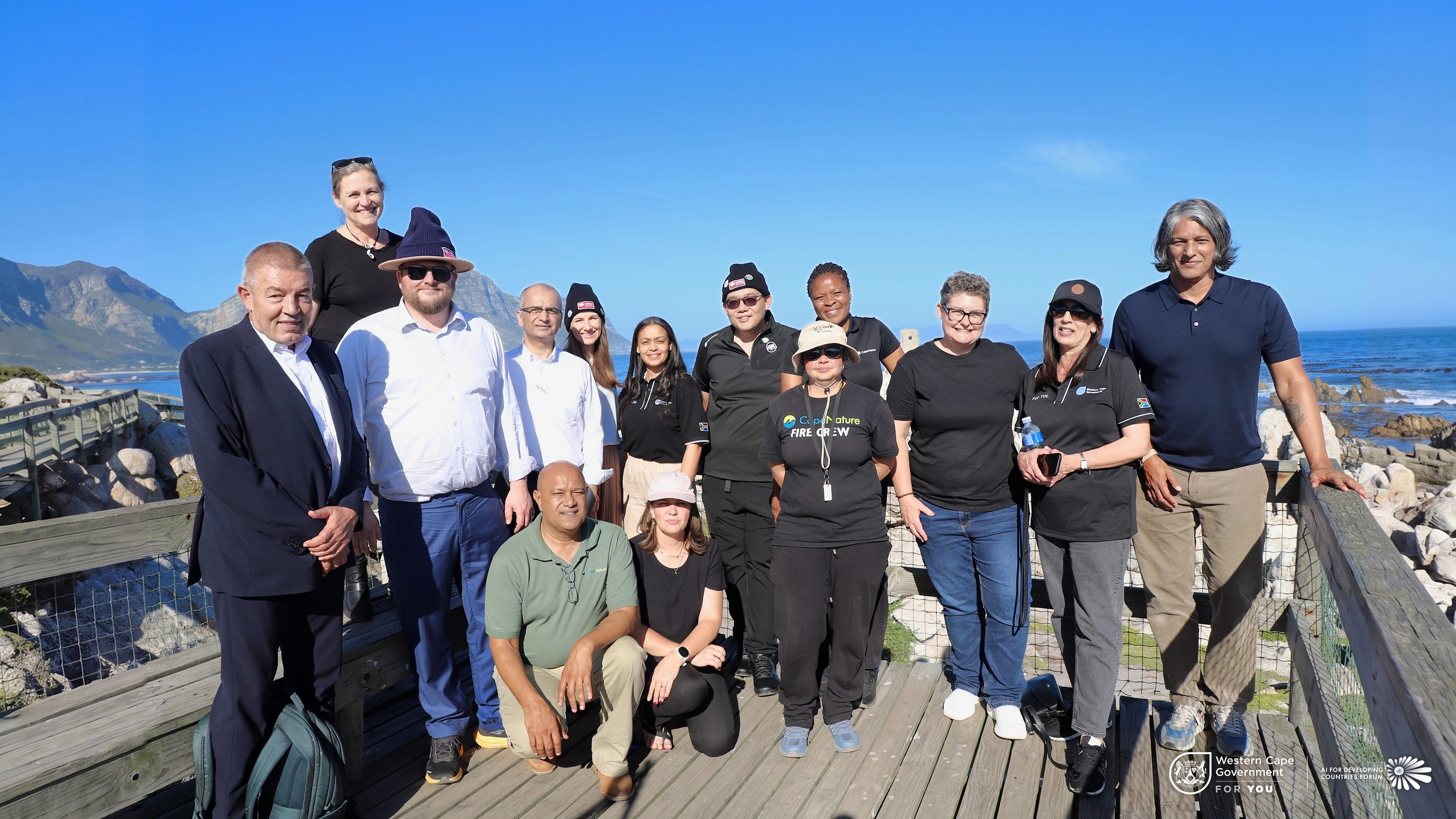
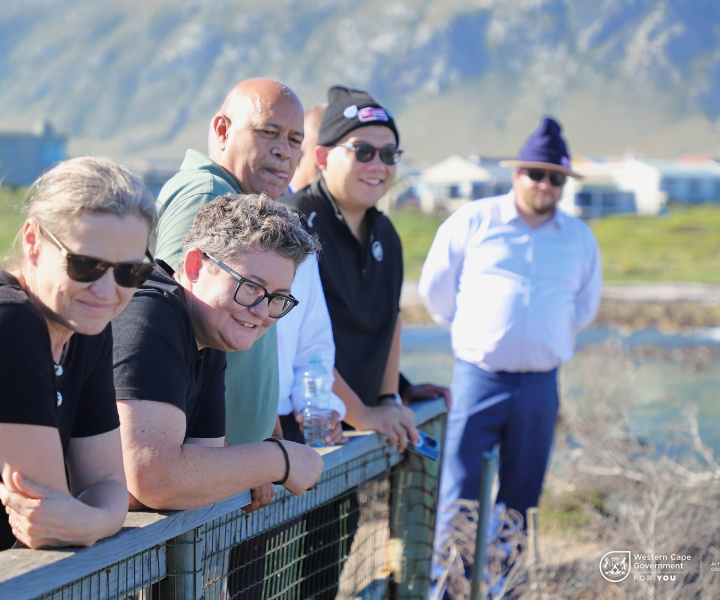
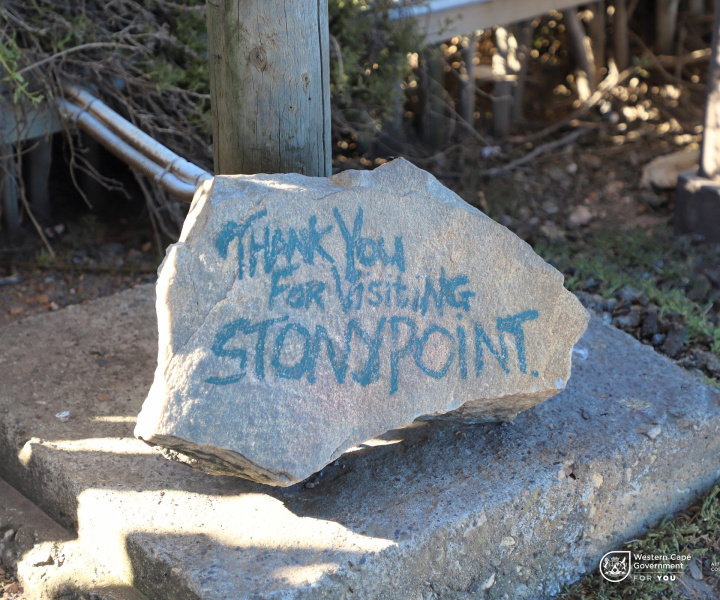
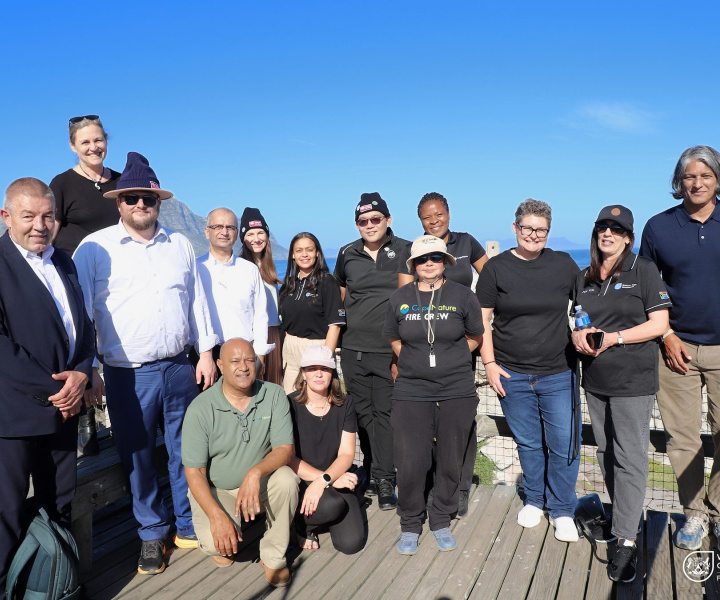
When Labeeqah Schuurman first met Tianze Zhang online, she told the Ministerial Networking Forum on Wednesday, he said he wanted to come to Cape Town and see the penguins. That afternoon (18 November 2026) the Western Cape Department of Infrastructure took him, and the delegation of the AI for Developing Countries Forum (AIFOD), to Stony Point.
The visit had a working purpose. Having spent the week with the provincial departments responsible for infrastructure, health, agriculture and the archives, the delegation was introduced to CapeNature, which manages the Stony Point penguin colony, and to the Department of Environmental Affairs and Development Planning. Schuurman told the hosts about the three joint projects announced that morning and said the partners are aiming for three to five in all. The afternoon was meant to see whether the environment could be one of them.
That morning’s Forum had drawn more than 120 people in Cape Town and registrations from 58 countries, among them staff of the Secretariat of the Convention on Biological Diversity and the World Meteorological Organization.
CapeNature staff described two things: what is being built, and who benefits. The boardwalk through the colony is to be replaced. The contract for the development is in the process of being awarded for planned construction to begin in 2027 and it will take about 12 months to conclusion. The new boardwalk will be wider and raised, to keep visitors from touching the birds; it will be accessible to wheelchair users. Sections will be made off site and carried in by hand, with environmental monitors present throughout the construction period.
The CapeNature team also presented the potential to expand the environmental work done at the colony. Later phases provide for an expanded environmental education centre and potential facilities to treat injured birds on site if funding could be sourced for these interventions.
The restaurant at the entrance, On the Edge, is run through a trust by the local Mooi-Uitsig community of 42 households. CapeNature staff said the community grew out of a forestry station that closed. Income generated goes to the community and not to individuals.
Attendees discussed AI’s potential to unlock environmental and tourism opportunities. They agreed that small communities may not yet be aware of these possibilities and that the topic is worth exploring. No project was agreed; this was a first conversation. But the delegation saw the same ingredients it had seen elsewhere in the province during the week: public infrastructure about to be rebuilt, a community that depends on it, and staff who collect careful data year after year.
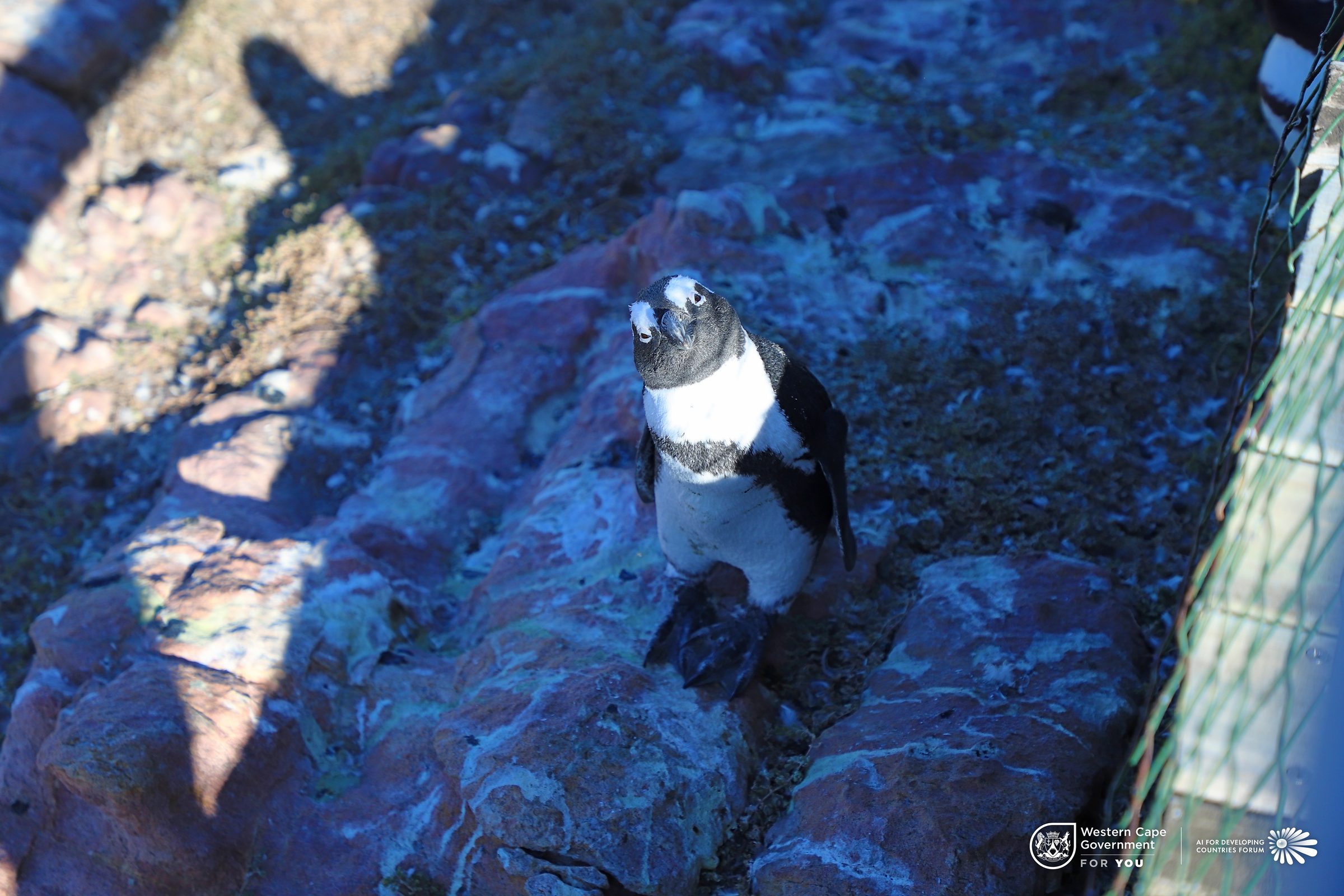
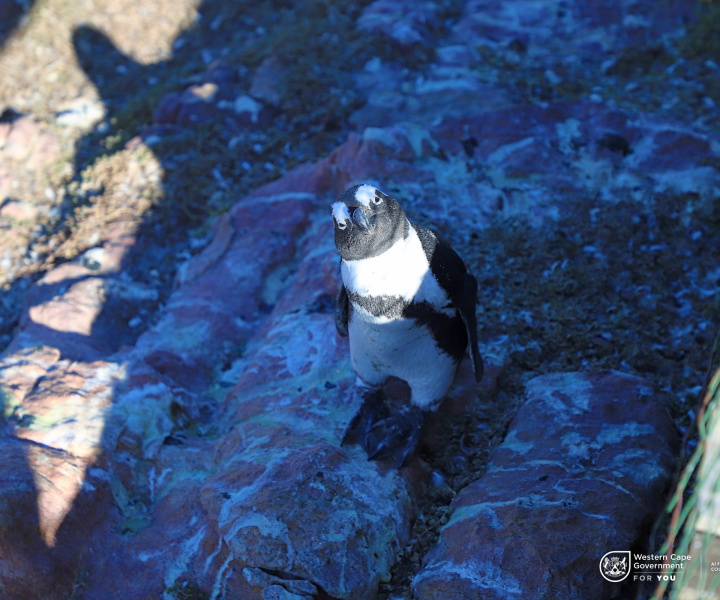
The data they collect is about the colony. The first African penguin nest at Stony Point was found in 1982. The colony reached about 2,500 breeding pairs in 2015 and has fallen every year since, to 506 pairs in 2026, in line with the species as a whole. Conservation staff named competition with industrial fishing for food as the main threat, followed by predators on land, oil spills, disease and loss of habitat. They provide artificial nest boxes, repair habitat, weigh chicks and send underweight ones for hand-rearing before release. Fishing is restricted in the waters around Stony Point and Dyer Island, and the condition of the chicks is one of the measures used to judge whether that is working.
About AIFOD. The AI for Developing Countries Forum (AIFOD) is a membership organisation working on responsible, people-centred AI for developing countries. It is in Cape Town from 15 to 20 November 2026 on the first visit under its Memorandum of Understanding with the Western Cape Government Department of Infrastructure (DOI).