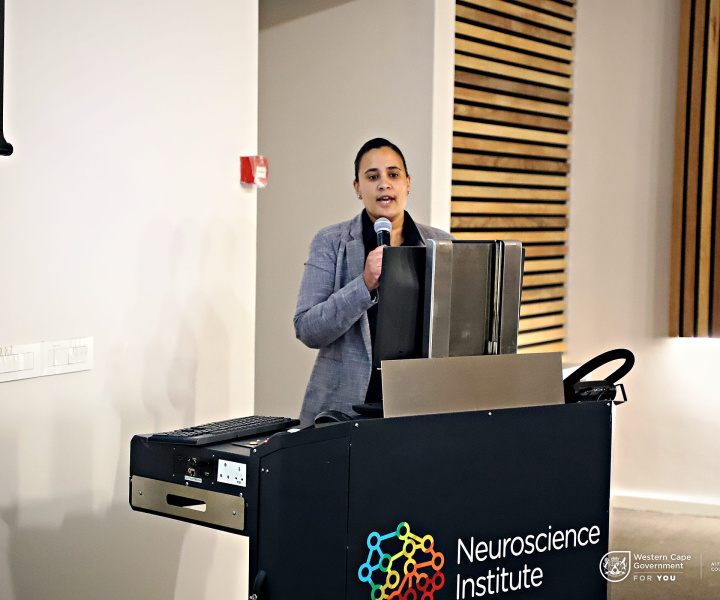
AIFOD proposes collective negotiation on AI, with the Western Cape as a hub for Africa
What happens to a hospital, a department or a country if the AI model it depends on is suddenly withdrawn from its region?
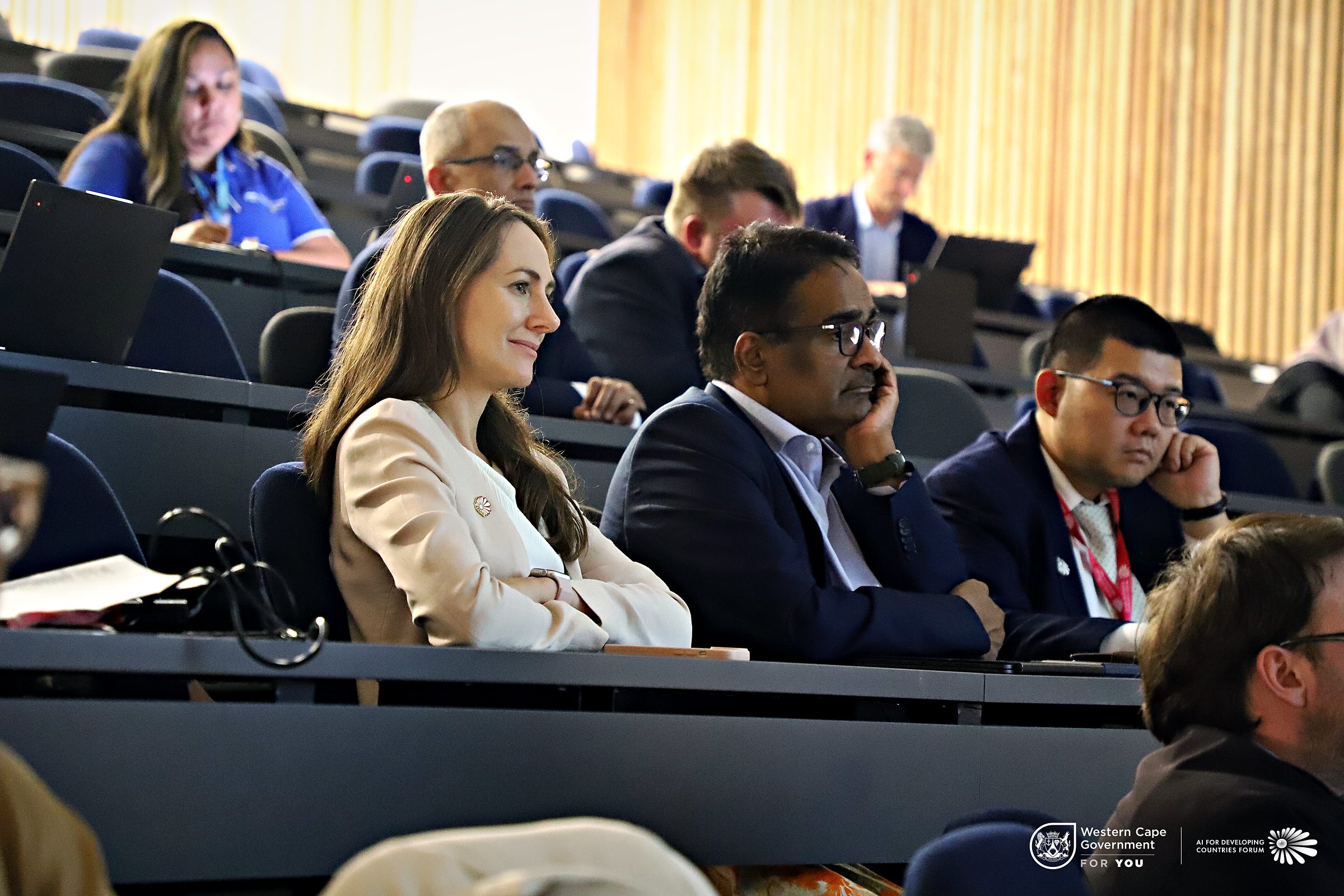
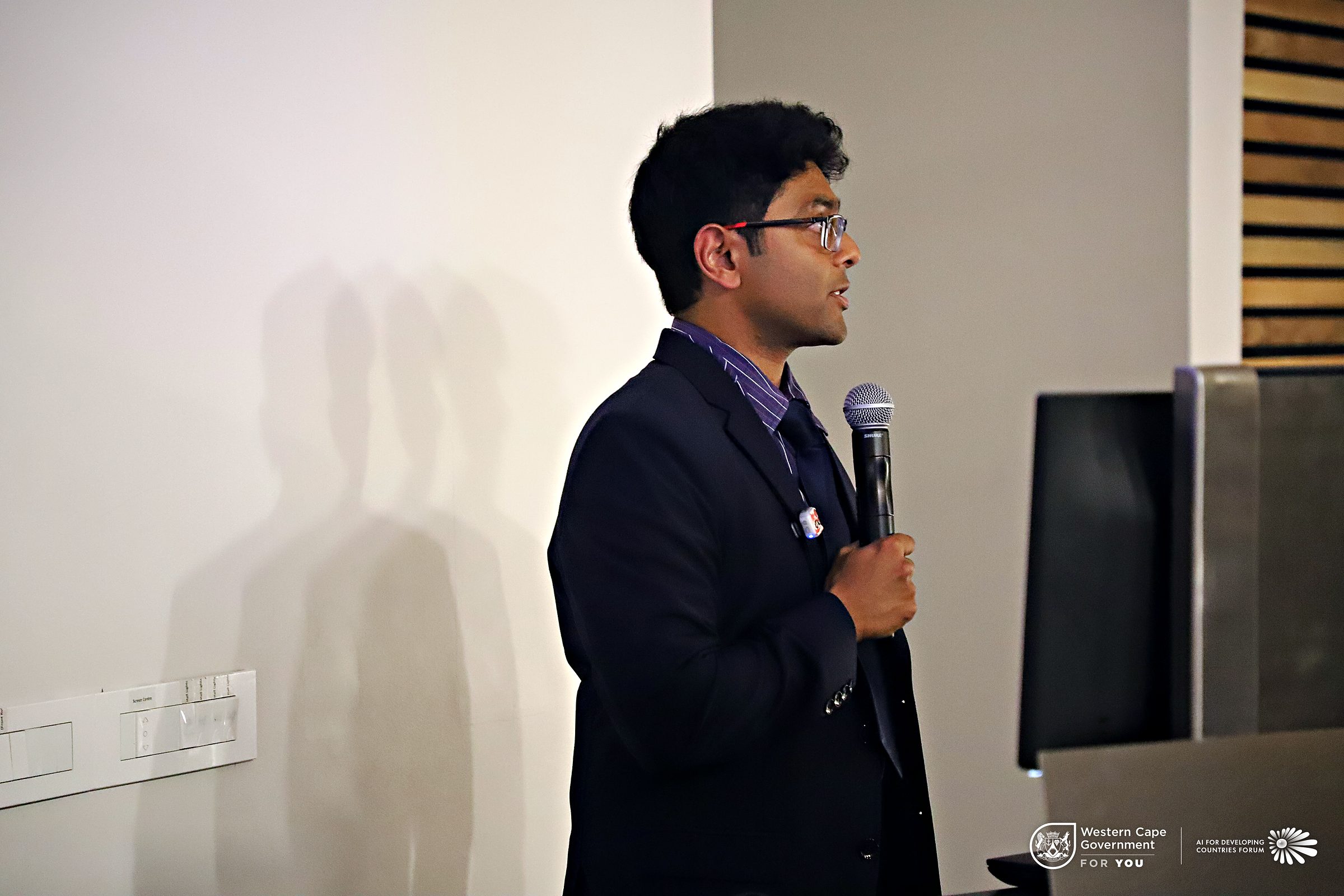
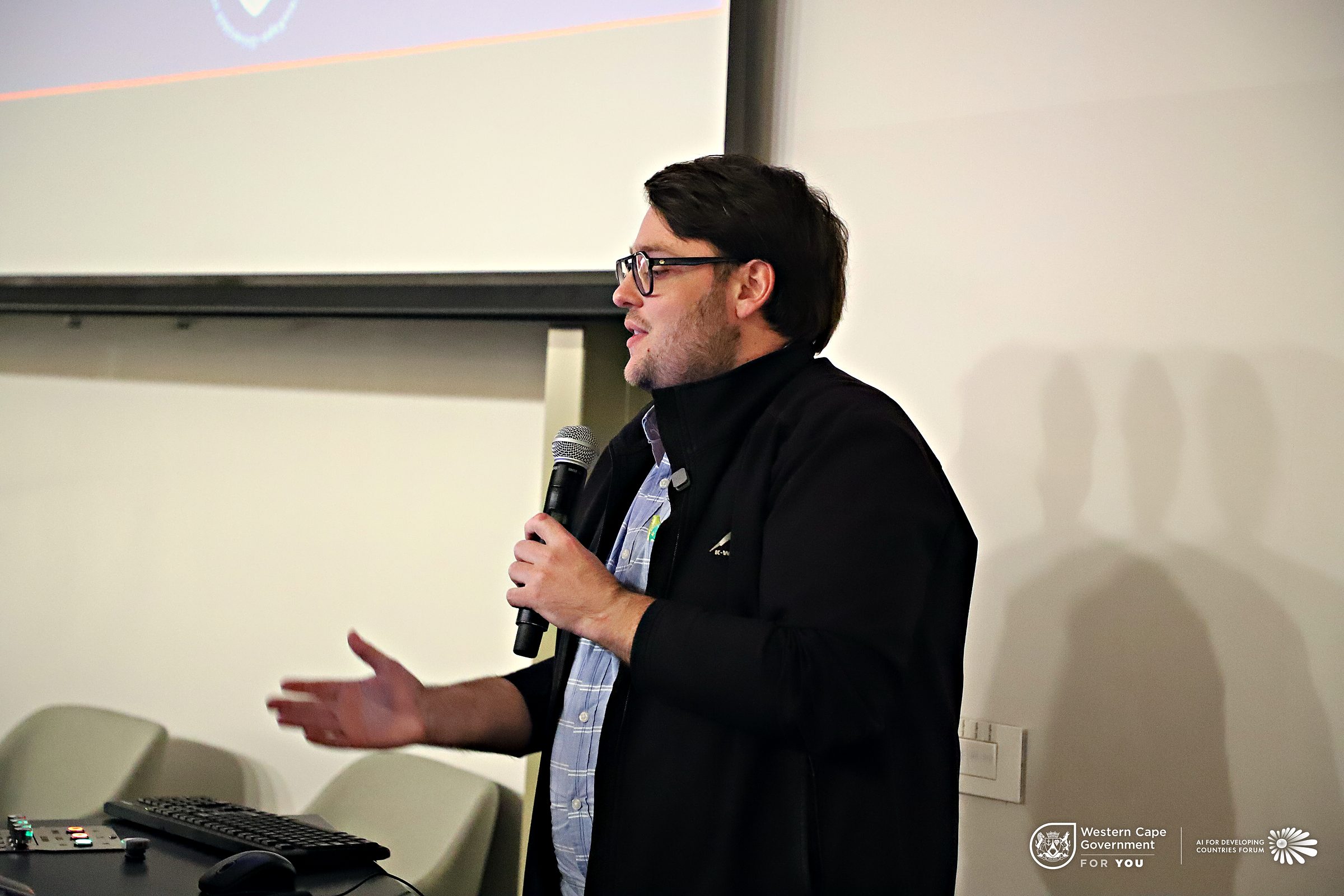
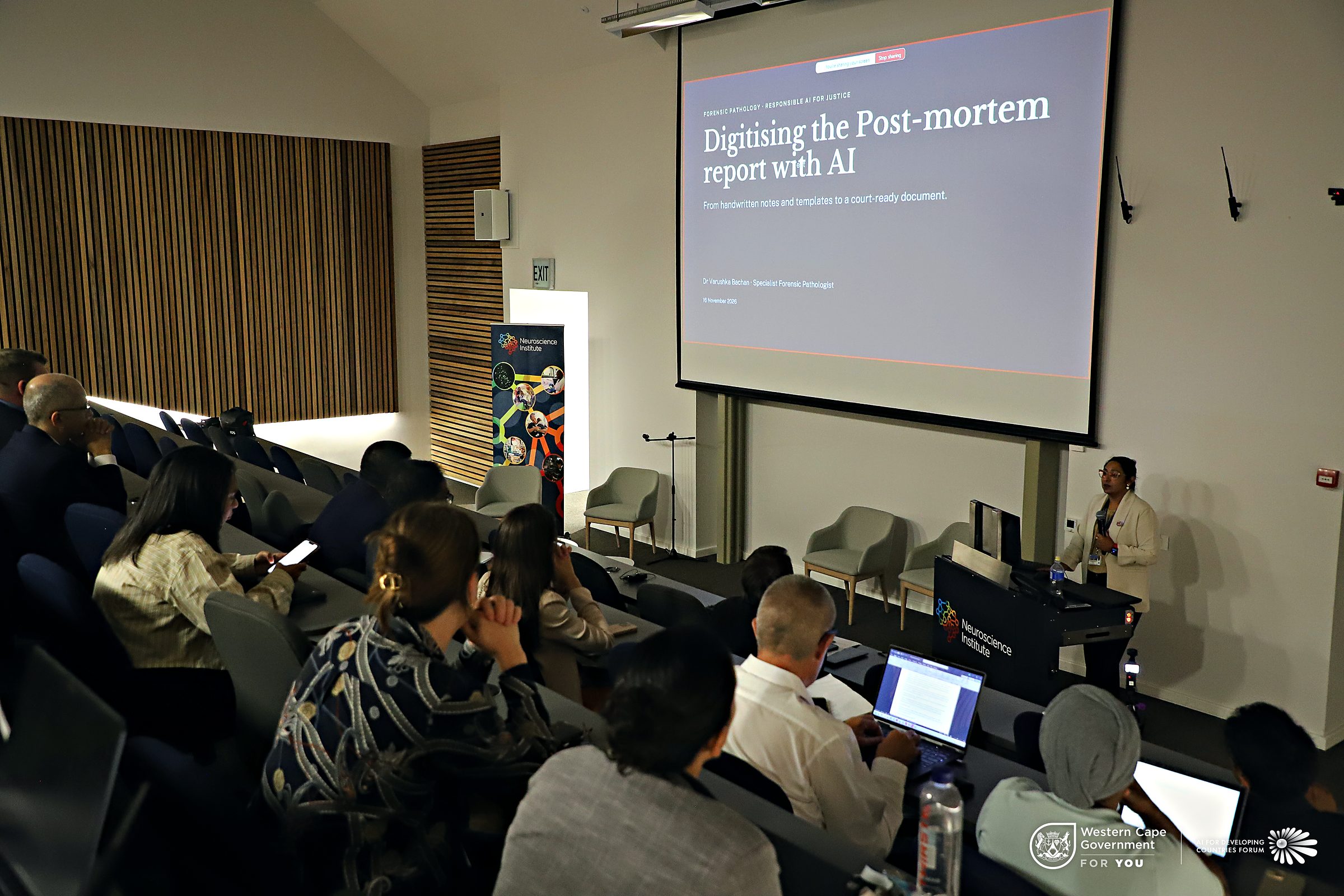
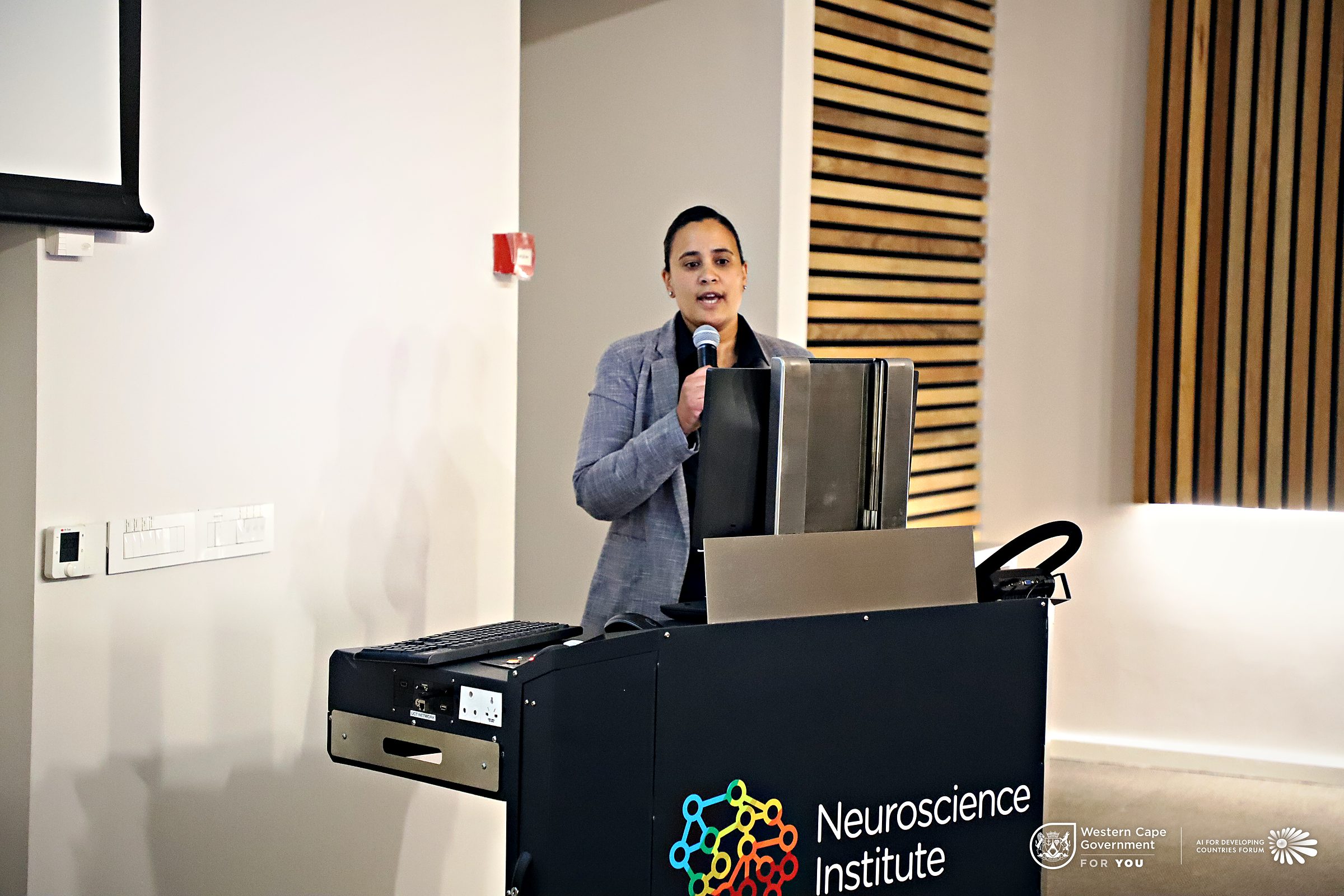
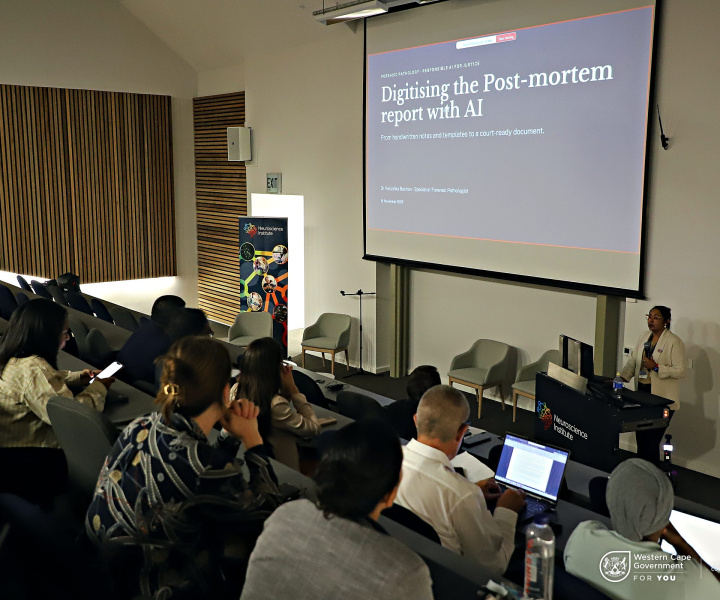
Tianze Zhang, Co-Founder of the AI for Developing Countries Forum (AIFOD), put that question to officials and clinicians at Groote Schuur Hospital on Monday, at the end of a day of visits with the Western Cape Government.
“If one model suddenly bans certain regions, what will the alternative solutions be?” he asked. Public institutions, he noted, also rely heavily on a small number of cloud providers based abroad. The laws of some countries can require providers based there to hand over data they control, even when it is stored elsewhere.
His proposal was to continue working with the large providers, on terms that countries agree together. “The large companies can say no to one single country,” he said. “But if countries work together and say: look, we need some entry points, agreed by all of us. We have our own data, we need to have our own cloud, we need to have our own models. You respect it, then you come to our market.”
He called this “collective negotiation power”, a way of “balancing” large powers and small ones. AIFOD, he said, has grown to 7,300 members across 150 countries and regions in about three years and holds two summits a year at the United Nations.
Zhang said the Western Cape could be where that negotiation is anchored. “If we make some great cases together, other countries will follow. Here will be the hub. Africa needs a place, and Africa needs a great example. That’s why we are here, to shape that together.”
The aim, AIFOD stresses, is more choice and less dependence on any single supplier, a principle the province’s own digital teams described during the day.
About AIFOD. The AI for Developing Countries Forum (AIFOD) is a membership organisation working on responsible, people-centred AI for developing countries. It is in Cape Town from 15 to 20 November 2026 on the first visit under its Memorandum of Understanding with the Western Cape Government Department of Infrastructure (DOI).