AIFOD Co-Founder says many AI products have yet to reach the people who need them
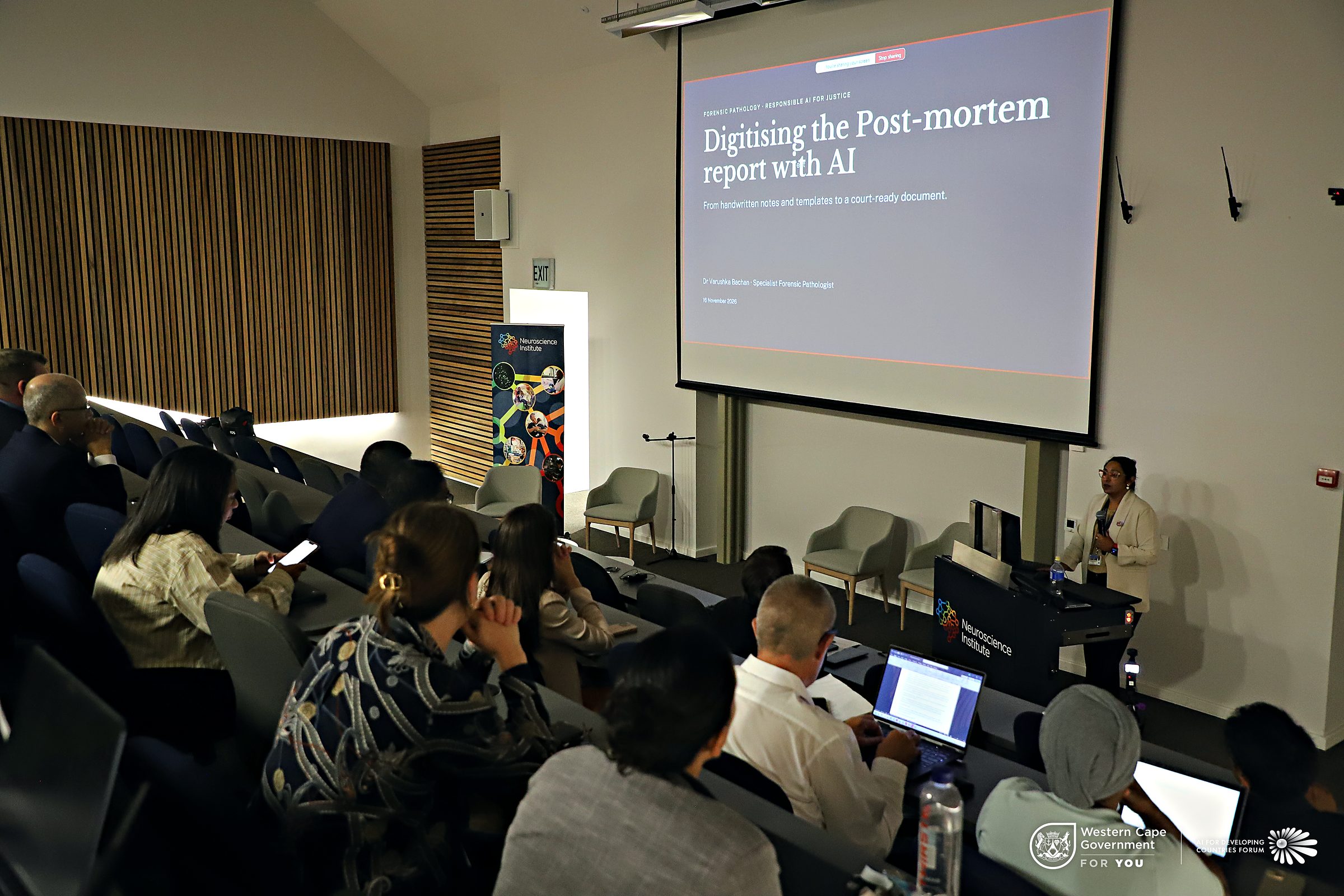
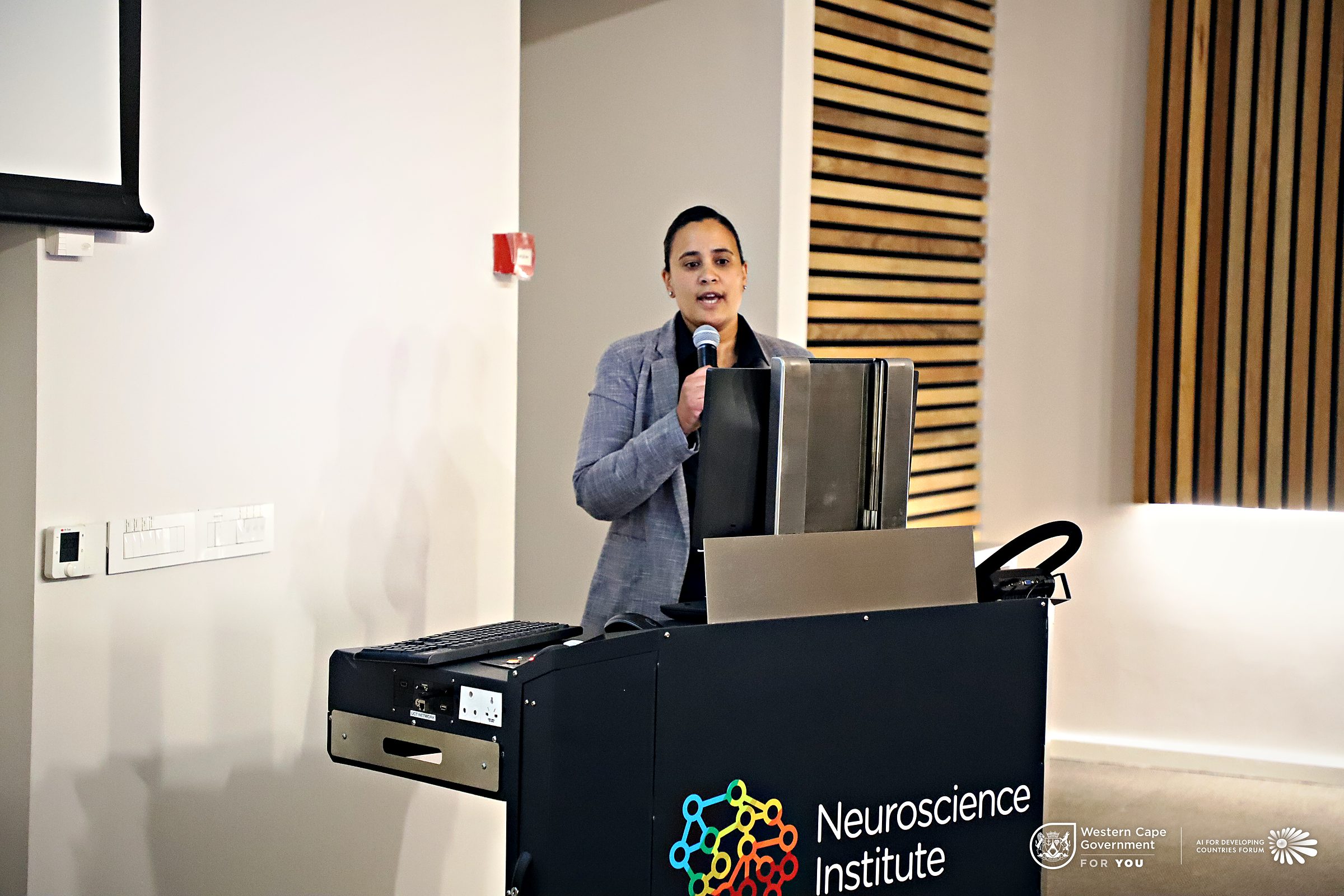
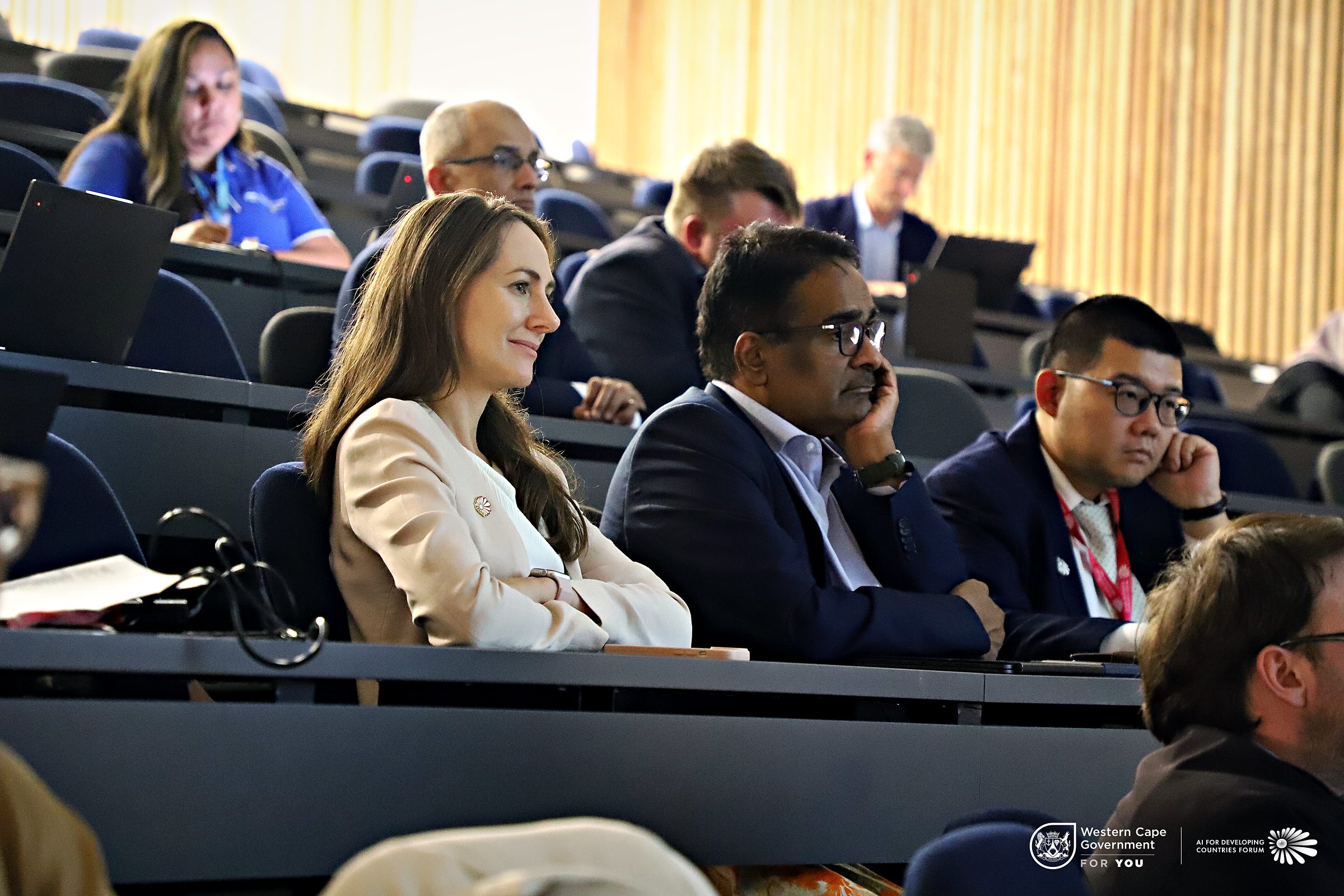
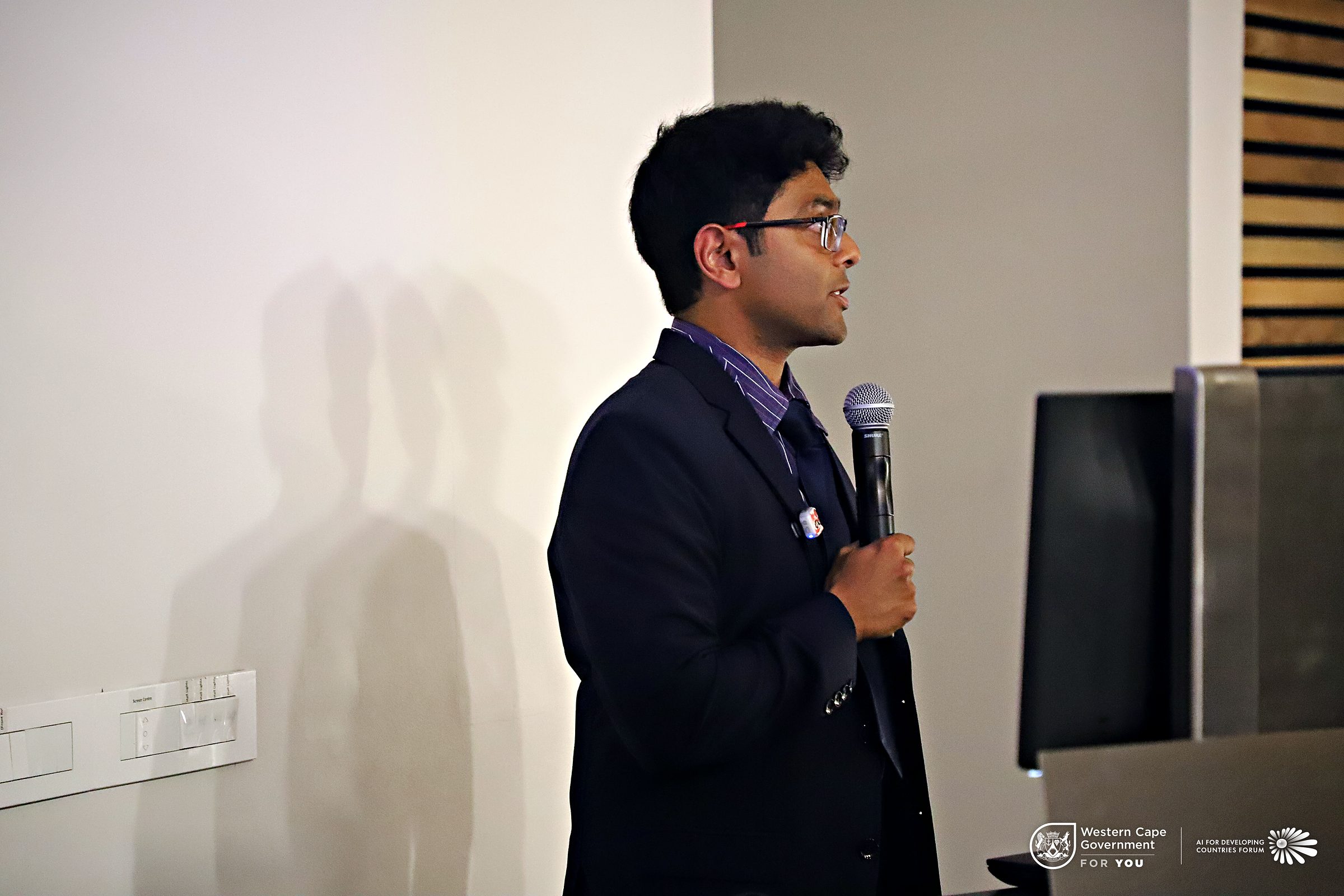
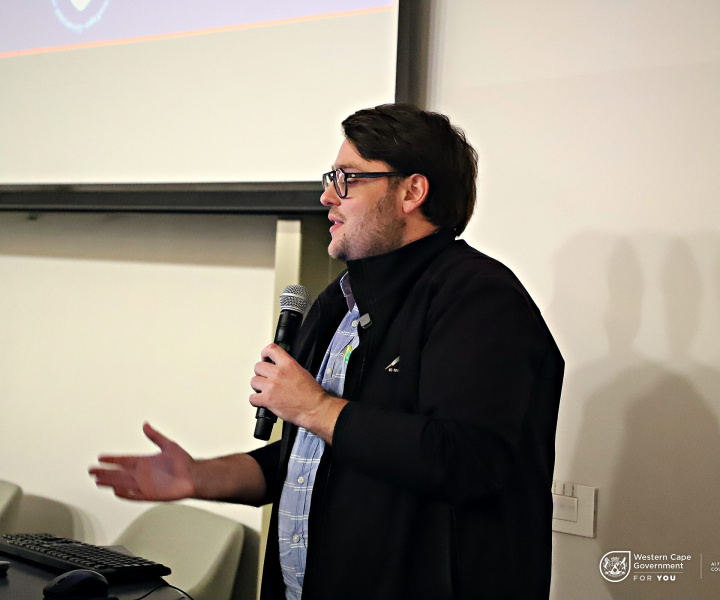
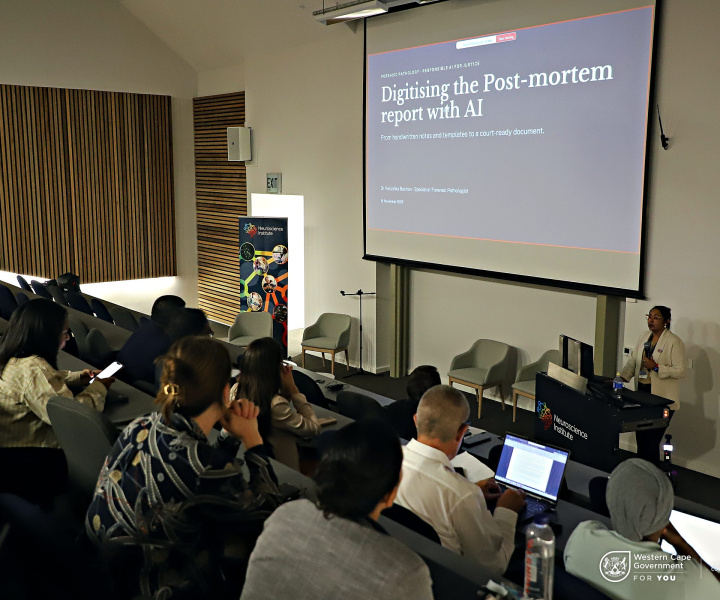
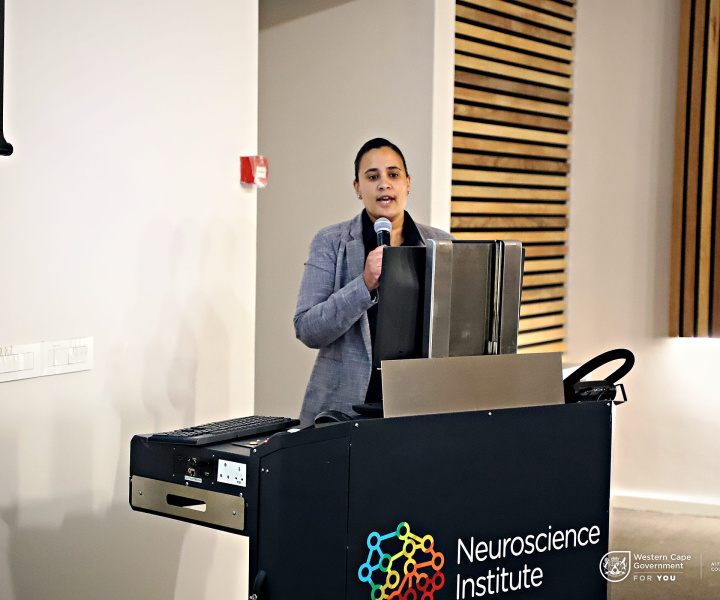
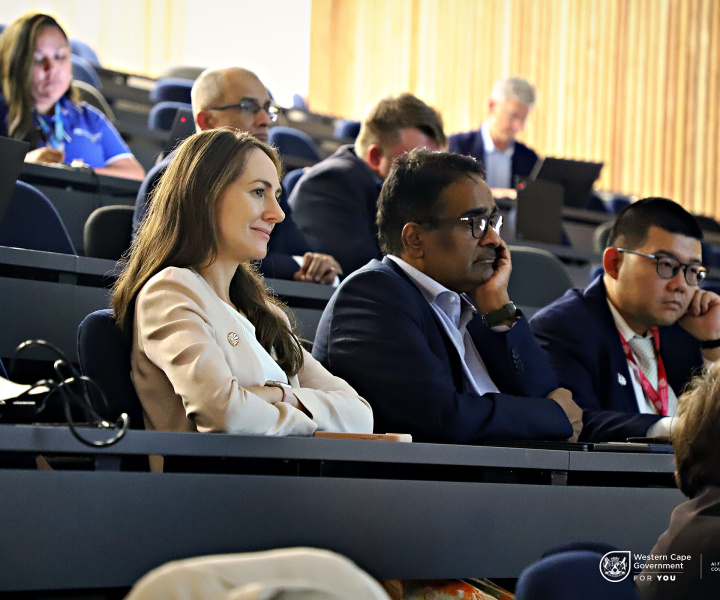
The AI applications presented to an international delegation in Cape Town on Monday, 16 November 2026 were demonstrated in a hospital lecture theatre by the clinicians and public servants who use them: a tool that drafts clinic notes so that staff can talk to patients, eye screening that returns a result in five minutes, a forecast that tells ambulance crews where they will be needed.
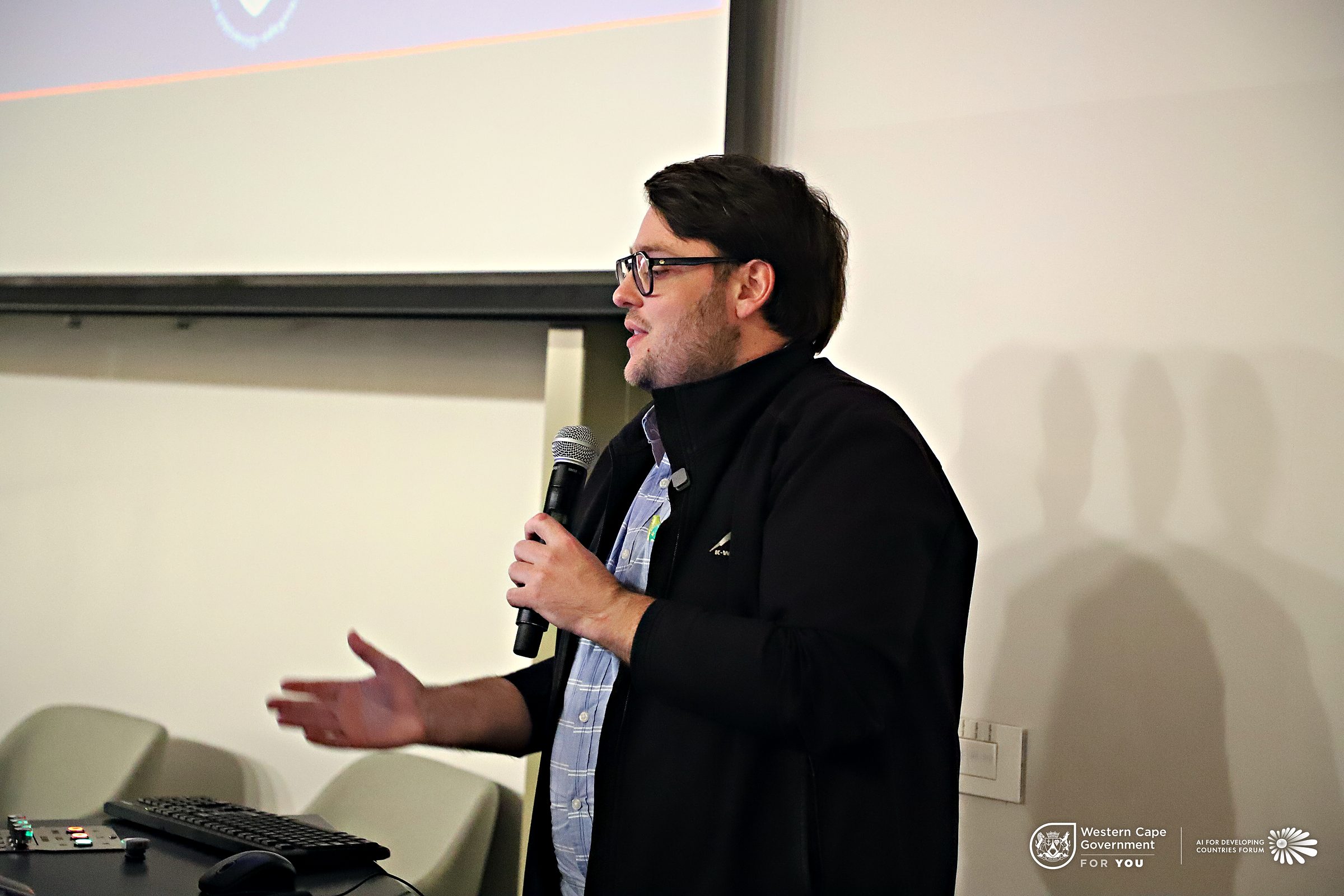
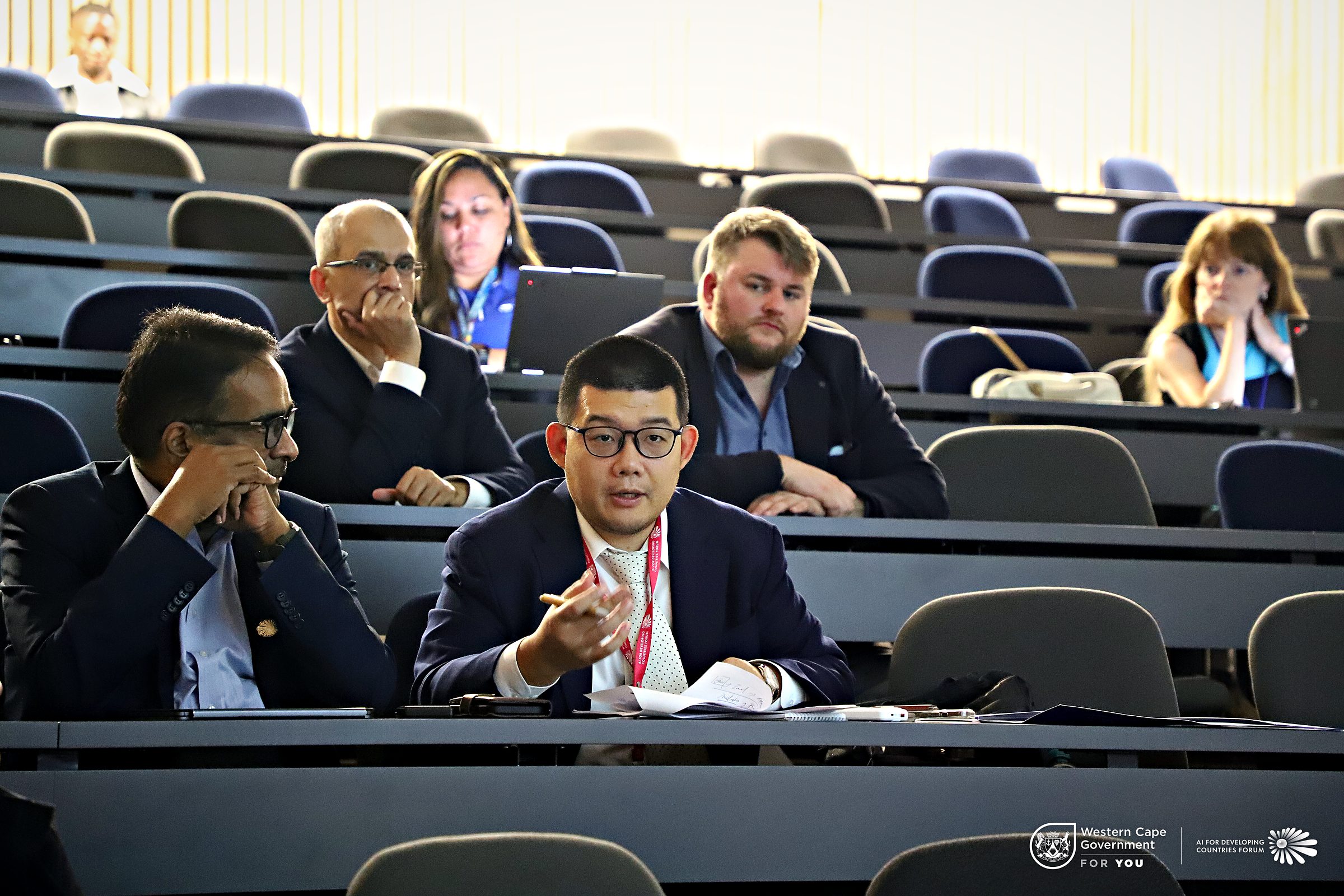
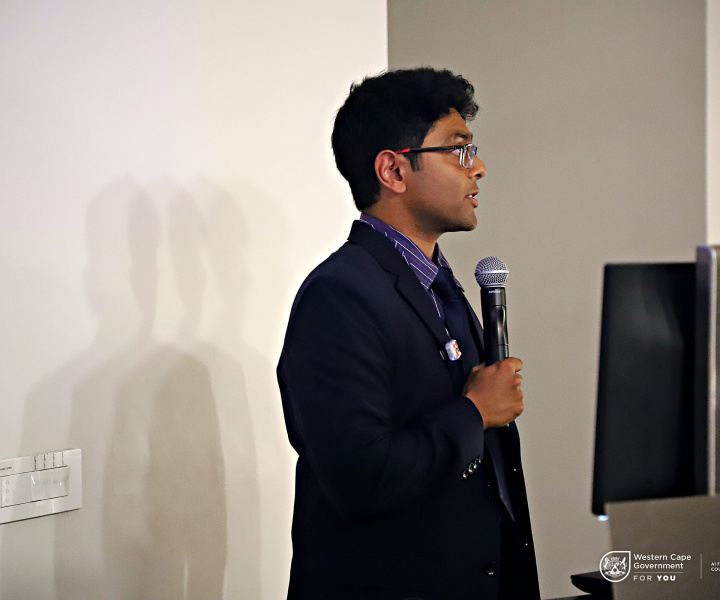
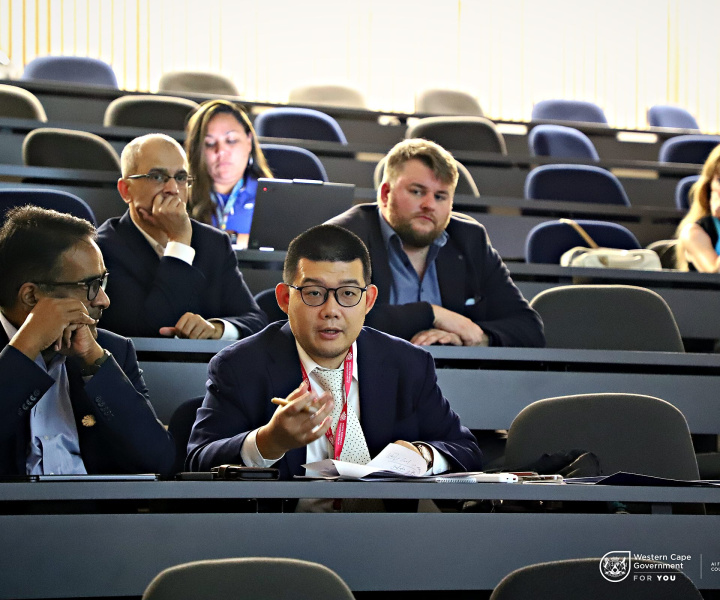
At the end of an afternoon of demonstrations at Groote Schuur Hospital, Tianze Zhang, Co-Founder of the AI for Developing Countries Forum (AIFOD), was asked to sum up. He offered an observation about the industry as a whole.
“AI is overproduced,” he said. “People have made so many great products, but those great products don’t find the right use cases.” He gave the example of agricultural technology that is built without enough conversation with farmers.
What the delegation saw in the Western Cape, he said, was the opposite: cases that were “low cost, high efficiency” and built around a real need. “This is something we should work on together: build more use cases.”
AIFOD describes its own role as a bridge between the two sides. “We want to bridge the producers and the real end users,” Zhang said.
He also spoke about the pace of change. “Look at the AI world now. Everyone has become a builder,” he said, adding that many institutions are still finding their way. The Western Cape Government, he said, stood out for its “openness, transparency” and for being “result-driven”.
The hospital session was part of the first working visit under the MOU between AIFOD and the Western Cape Government Department of Infrastructure. The visit continues until Friday 20 November and includes the WCG DOI–AIFOD AI Infrastructure Ministerial Networking Forum on Wednesday 18 November.
About AIFOD. The AI for Developing Countries Forum (AIFOD) is a membership organisation working on responsible, people-centred AI for developing countries. It is in Cape Town from 15 to 20 November 2026 on the first visit under its Memorandum of Understanding with the Western Cape Government Department of Infrastructure (DOI).