
Help us keep our young children safe this paediatric surge season in the Western Cape
Every year from November to May, more young children become ill with diarrhoea and pneumonia. These illnesses are common in young children, but the important thing to remember is that they can be treated and often prevented. When children receive help early, they usually recover well. Quick action protects their health.
During periods of very hot weather, health facilities across the Western Cape see an increase in children who arrive with gastro-related symptoms. As we move through the annual paediatric surge season, Red Cross War Memorial Children’s Hospital, the province’s specialist children’s facility, has recorded a noticeable rise in these cases.
The hospital is encouraging parents and caregivers to take extra care during this time. Early recognition of symptoms and timely treatment can prevent severe dehydration and other complications.
“Gastroenteritis is one of the most common reasons for hospital admissions during this time of year,” says Professor Heloise Buys, Head of Ambulatory and Emergency Services at Red Cross War Memorial Children’s Hospital. “While many children can be treated at home, young children are especially vulnerable to dehydration, which can become life-threatening if not managed early.”
The World Health Organisation estimates that nearly 1.7 billion cases of childhood diarrhoeal disease occur every year. Good hygiene, safe drinking water and proper sanitation can prevent many of these.
Professor Buys stresses the importance of early intervention: “If your child is unable to keep fluids down or shows signs of dehydration, please seek medical help immediately. Oral rehydration solutions are the first line of defence and should be given as soon as symptoms appear. A simple sugar-salt solution can be made at home by mixing 1 litre of clean tap water, 8 teaspoons of sugar and half a level teaspoon of salt. Stir well and offer it in small amounts, especially after each watery stool or when the child is thirsty. If the water is not taken directly from municipal taps, it must be boiled, cooled and then used.”
Keeping stored water safe
Professor Buys also reminds families that water can become contaminated more easily than we may realise. Open containers allow germs, dirt and pests to enter and increase the risk of illness in young children.
Open buckets can become contaminated through:
- Dirty hands
- Unwashed utensils dipped into the water
- Animals, insects or household pests
- Dust and debris
Contaminated water can carry diarrhoeal germs such as E. coli, Shigella, Salmonella and rotavirus, all of which can be especially harmful to babies and young children.
Simple steps to prevent illness
Parents and caregivers can protect their children by following these important steps:
- Wash hands with soap and water regularly, especially before preparing food or drinks and after using the toilet.
- Use only clean, safe water for drinking, cooking, mixing baby formula, washing fruit and vegetables, and brushing teeth.
- Keep oral rehydration solution (ORS) at home. The sugar-salt ORS recipe is also printed in your child’s Road to Health Booklet.
- Ensure your child is up to date with their immunisations. Immunisations such as the rotavirus vaccine help prevent severe diarrhoeal illness.
Know when to seek help
Diarrhoea can become dangerous very quickly in babies and young children. Because their bodies are small, they lose fluids faster and are at higher risk of dehydration. Parents and caregivers are encouraged to seek medical attention immediately if their child develops diarrhoea.
Local clinics are ready to provide early assessment and support close to home.
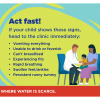
Please seek help urgently if your child shows any of the following:
- Persistent vomiting and diarrhoea (runny tummy)
- Signs of dehydration (dry mouth, sunken eyes, fewer wet nappies or less urine)
- Unusual sleepiness, weakness or difficulty waking
- Refusal to drink or feed
- Blood in the stool
- Convulsions together with fever
- Swollen feet or ankles
Breastfeeding remains very important and should continue during illness. Antibiotics are not recommended for viral gastroenteritis. Parents are encouraged to visit their nearest clinic for support. Severe cases may be referred to specialist facilities for further care.
The Western Cape Department of Health and Wellness is committed to helping every child start well, grow well and stay well. Parents and caregivers are encouraged to make full use of their local clinics and the information in the Road to Health Booklet, which offers support to all parents.
For more information on immunisation, visit: https://www.westerncape.gov.za/health-wellness/article/child-health-and-immunisation
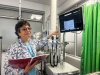
Professor Heloise Buys, Head of Ambulatory and Emergency Services at Red Cross War Memorial Children’s Hospital:
Listen to the voice clip by Ursula Kotelana, WCDHW:
Infographic Quick Fix Boil Water:

Infographic When to go to a clinic: