Destination Innovation Design Labs
DEDAT’s Destination Innovation Design Labs are piloting a new, human-centred way to tackle tourism challenges in towns and regions like Napier and the Swartland – strengthening coordination, digital visibility and community leadership to unlock inclusive visitor growth.
A new way of solving old tourism challenges
Tourism already contributes an estimated R28.6 billion in gross value added and almost 258,000 direct jobs to the Western Cape economy, yet many small towns and rural destinations still struggle to translate strong assets into real visitor spend. Under the Growth for Jobs strategy, which aims to double visitor numbers by 2035, DEDAT launched the Destination Innovation Design Labs to close this gap between “having assets” and “being a destination”.
Instead of relying on traditional top‑down plans, the Labs use a structured Design Thinking approach that starts with local voices, surfaces root causes and then co-creates practical, community-owned solutions. Over six months, a province-wide survey gathered 223 responses from 217 stakeholders across 25 municipalities, mapping 364 tourism challenges that informed two pilot Labs in Napier and the Swartland Municipal District.
How the Design Labs work
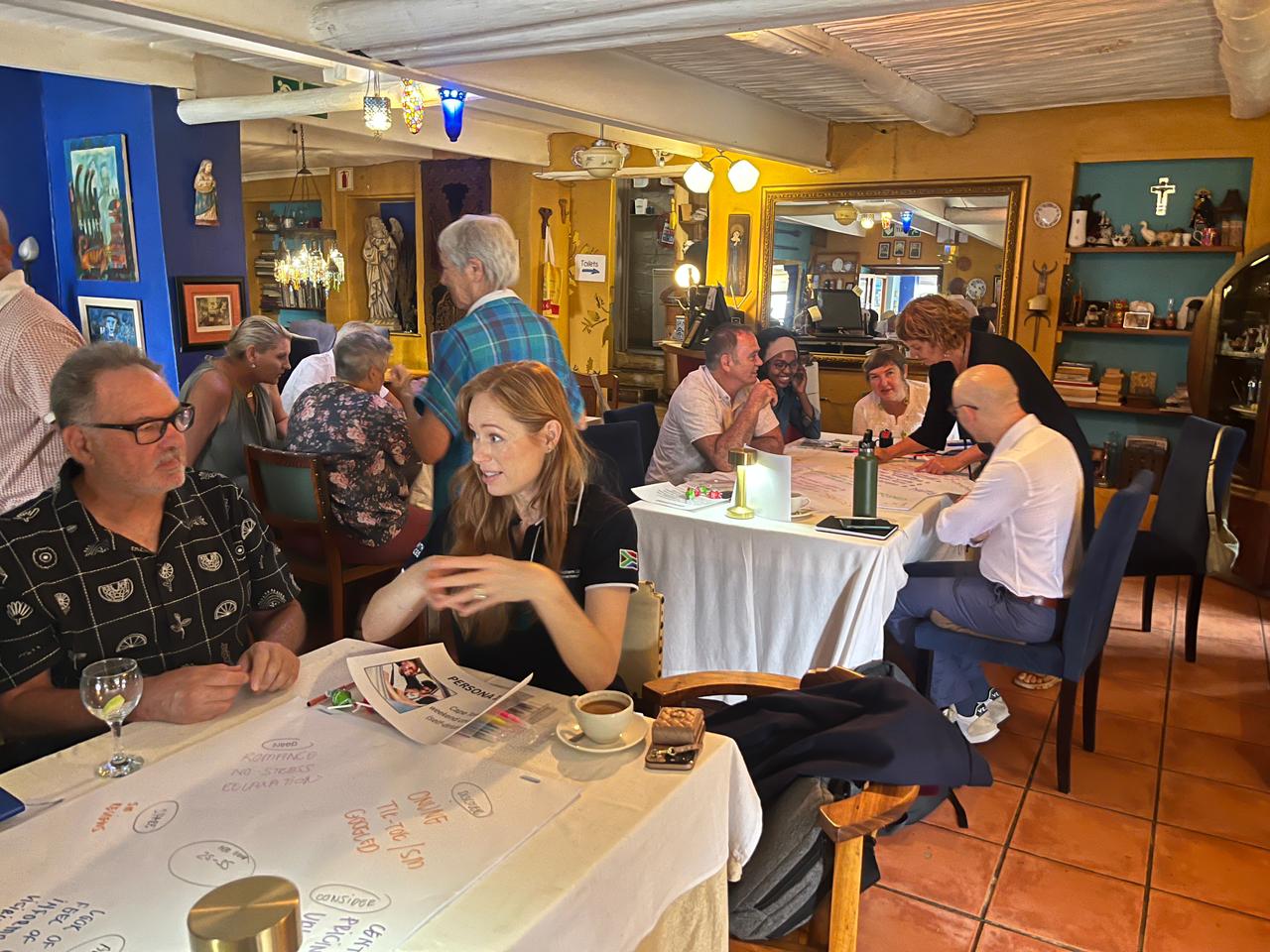
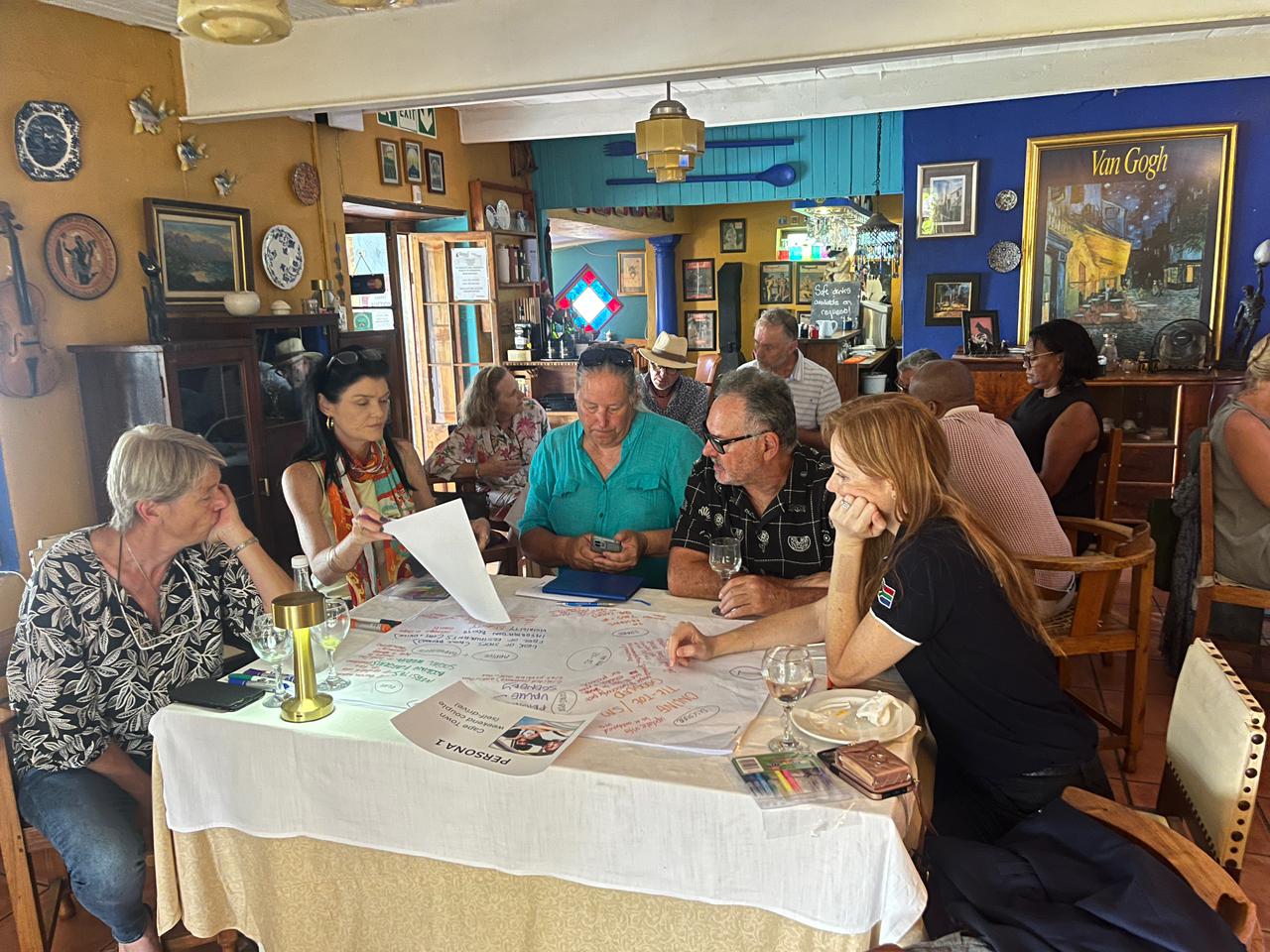
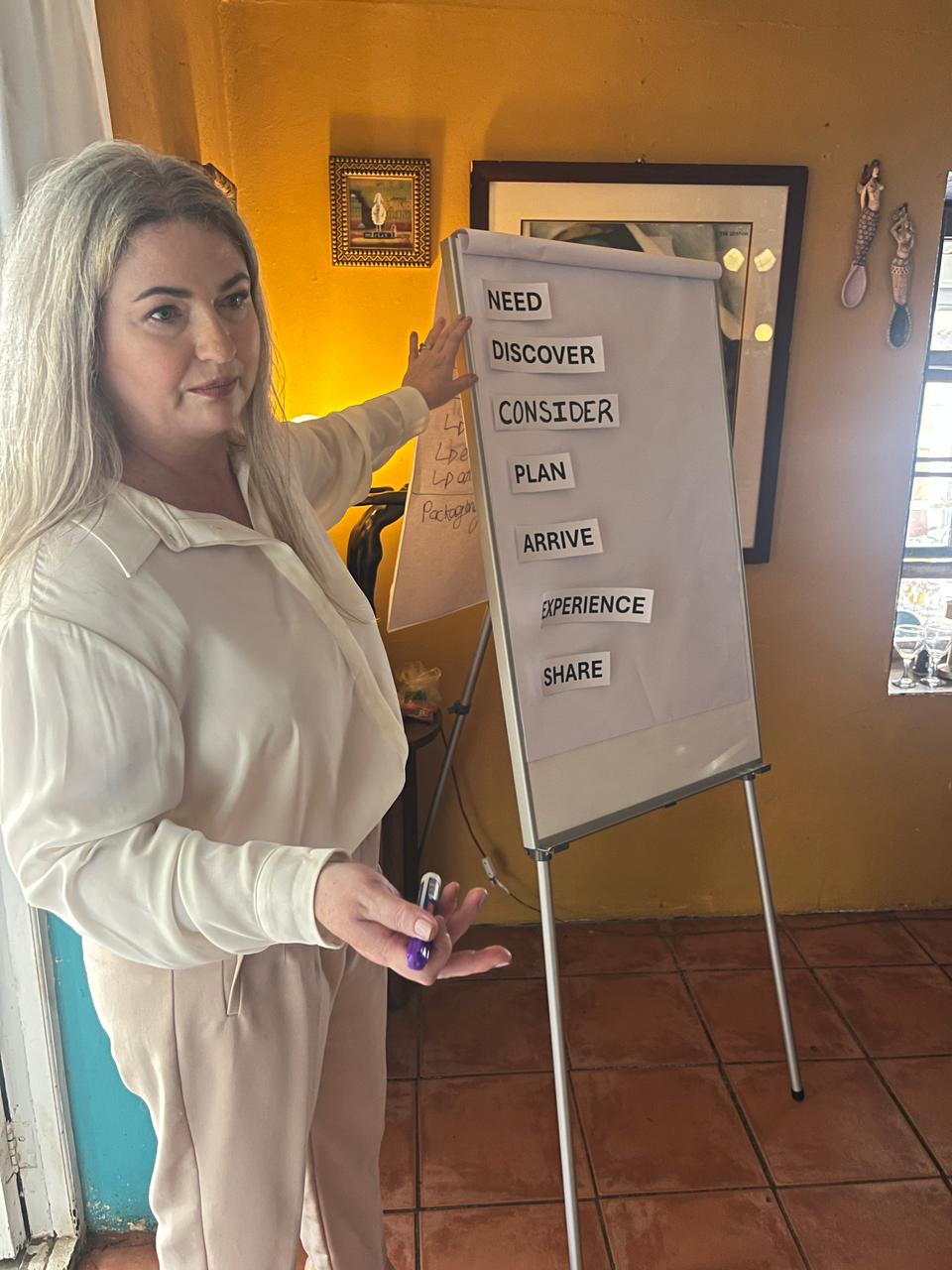
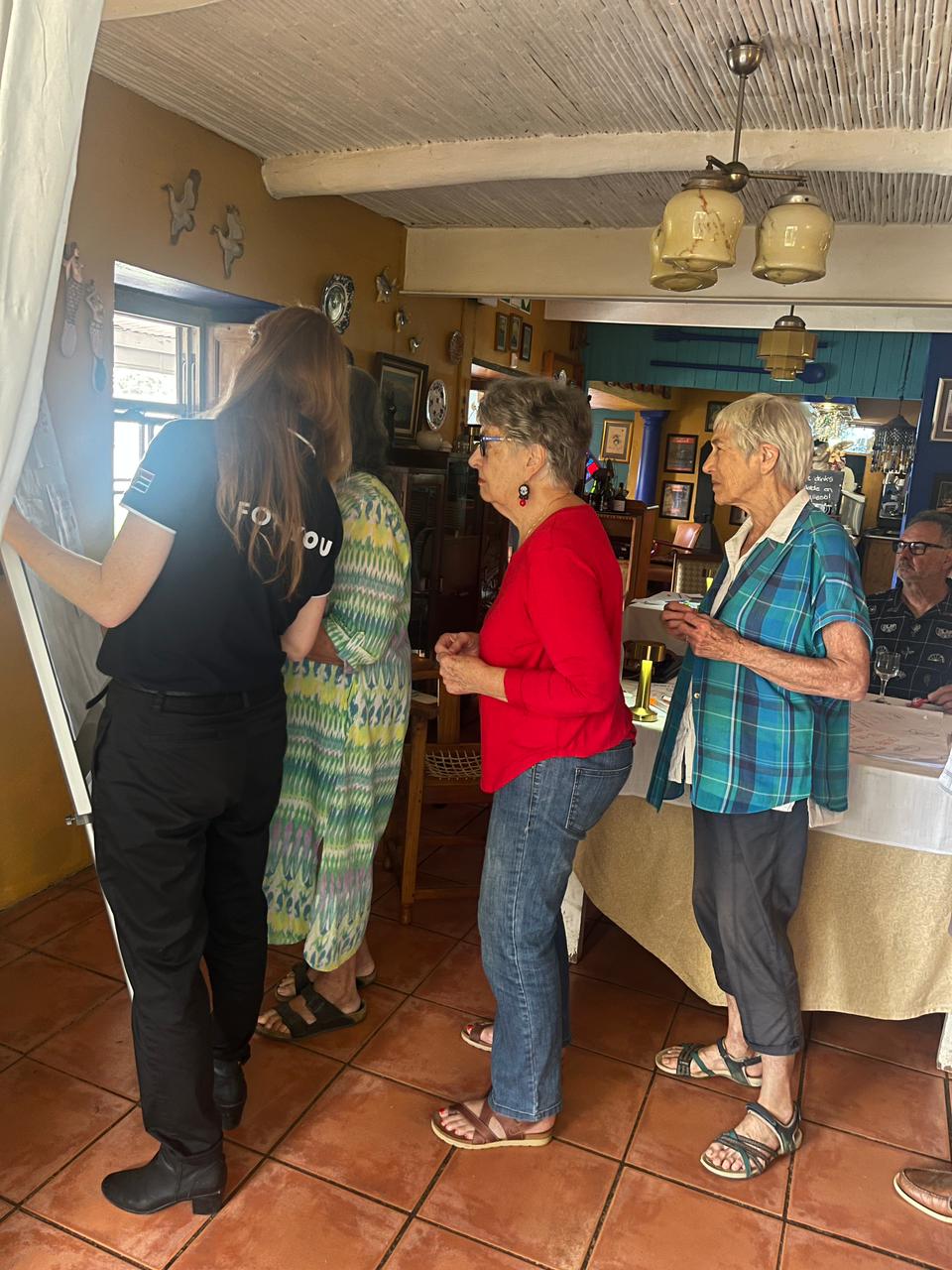
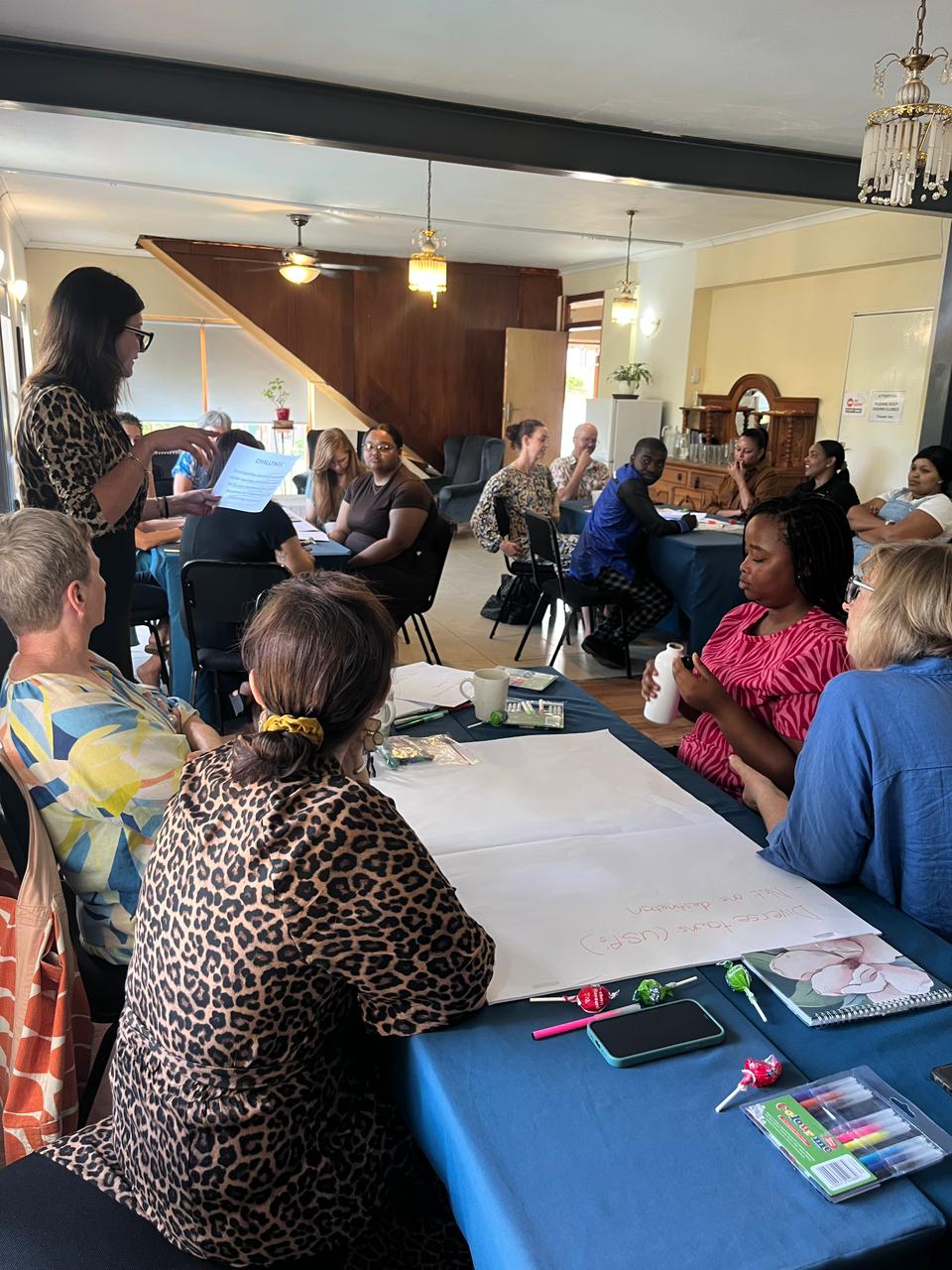
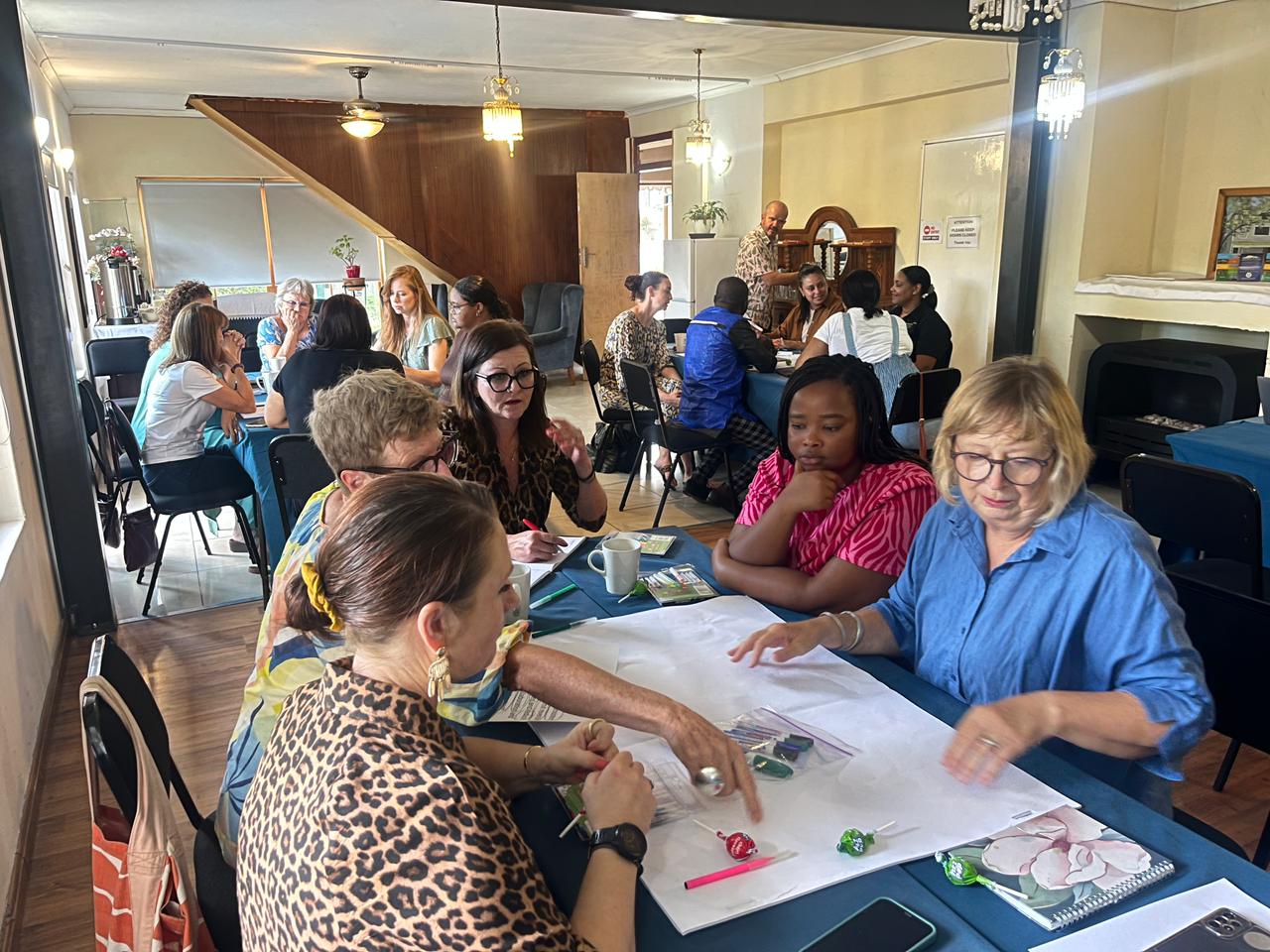
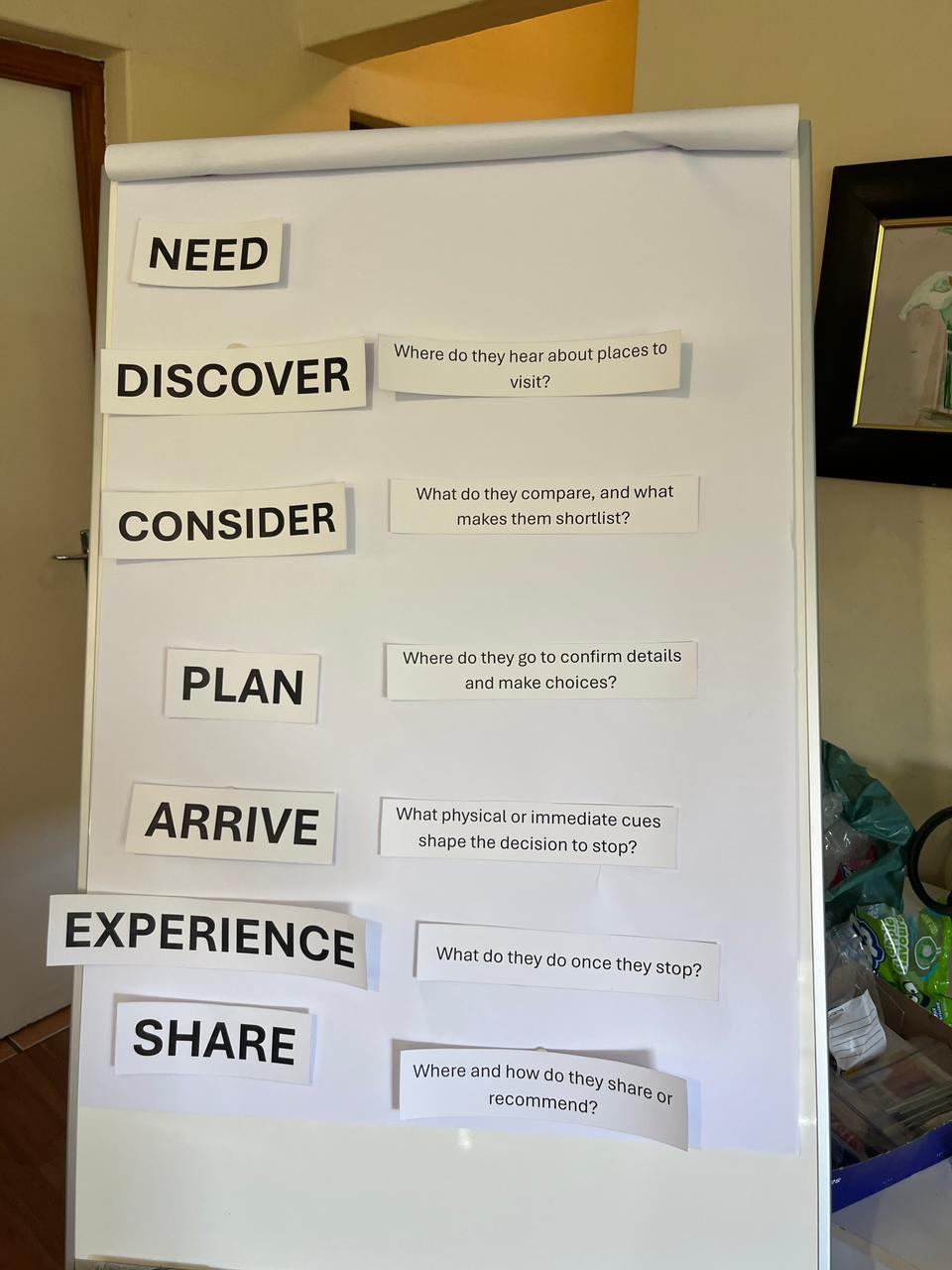
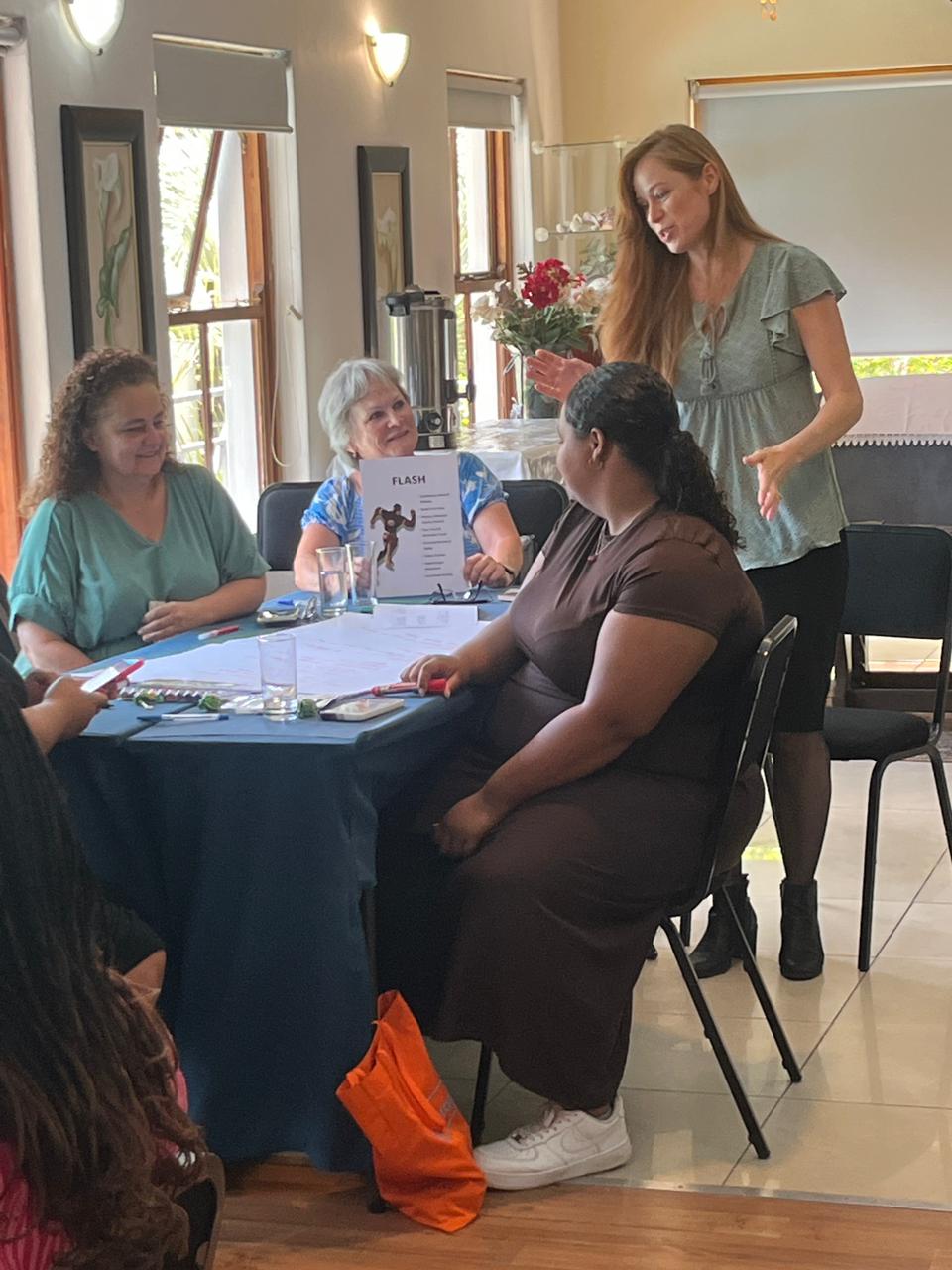
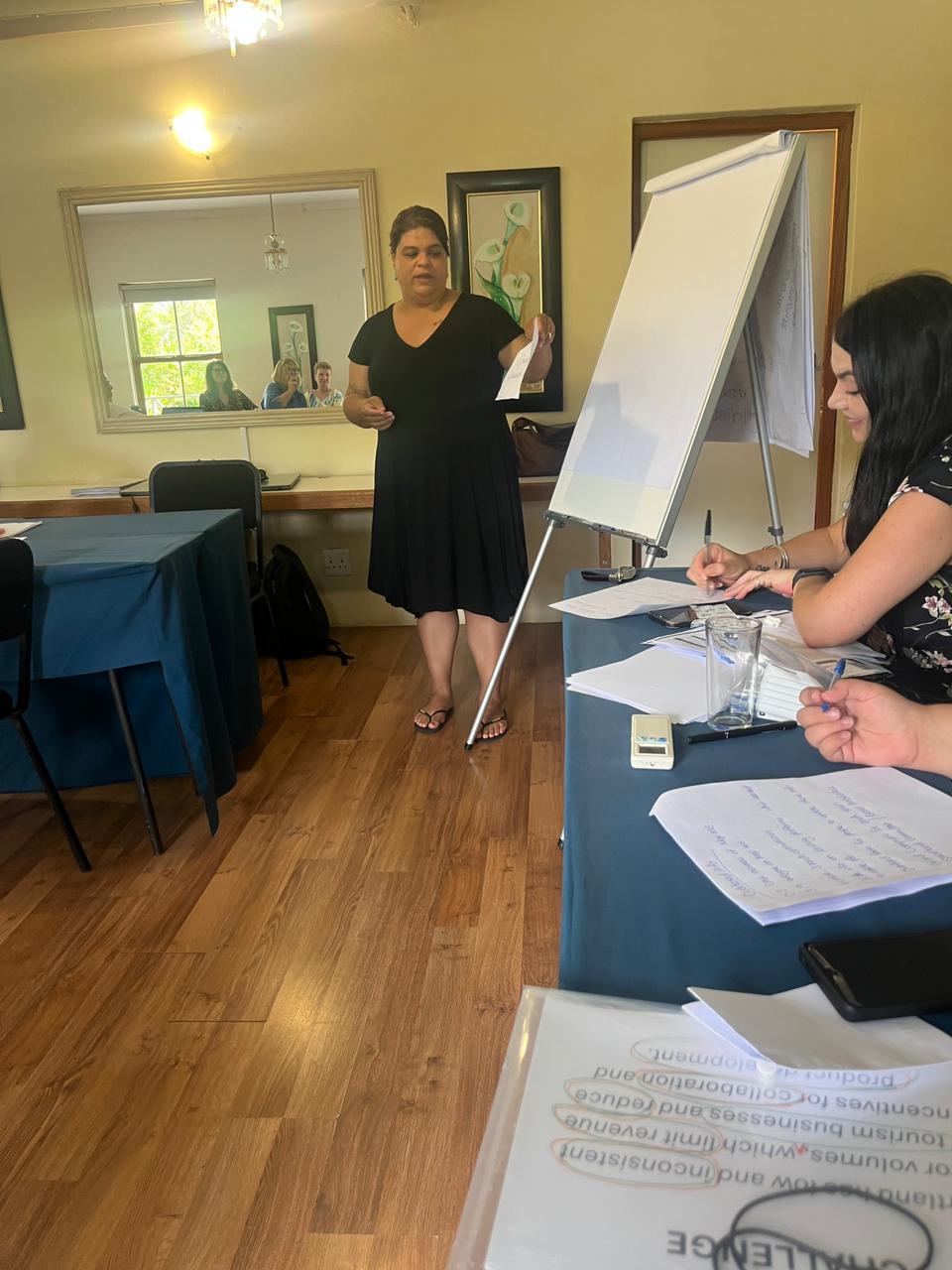
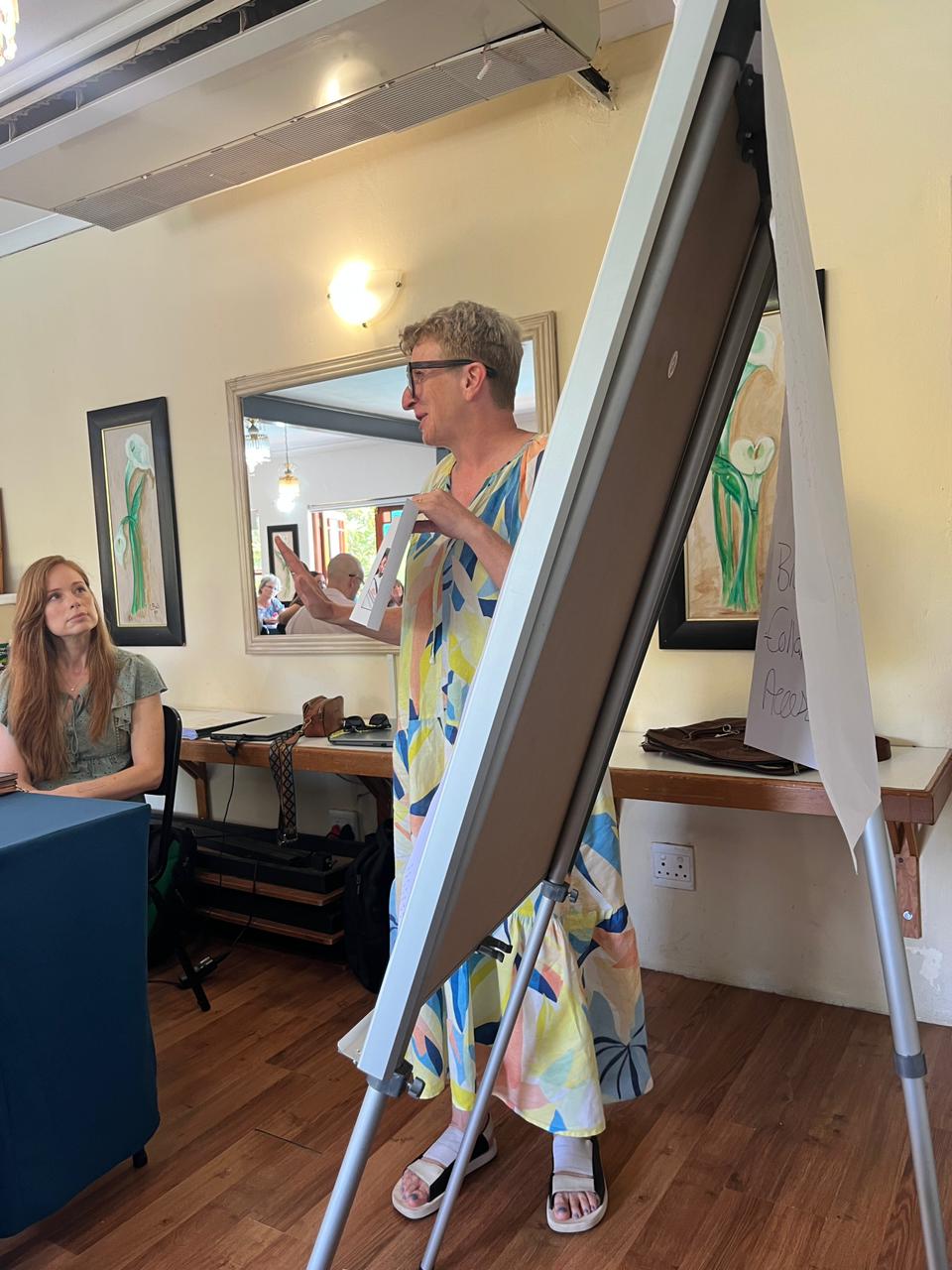
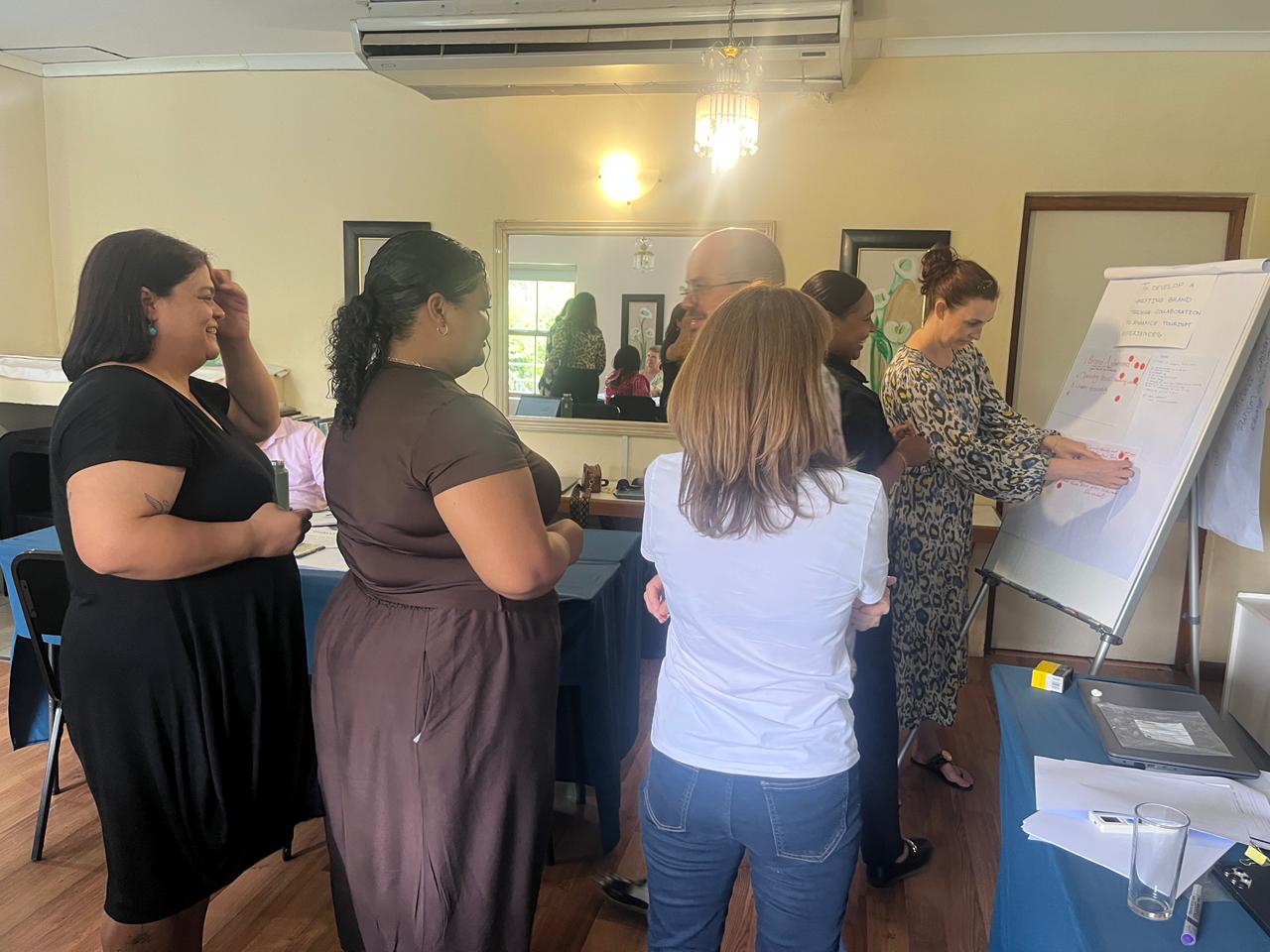
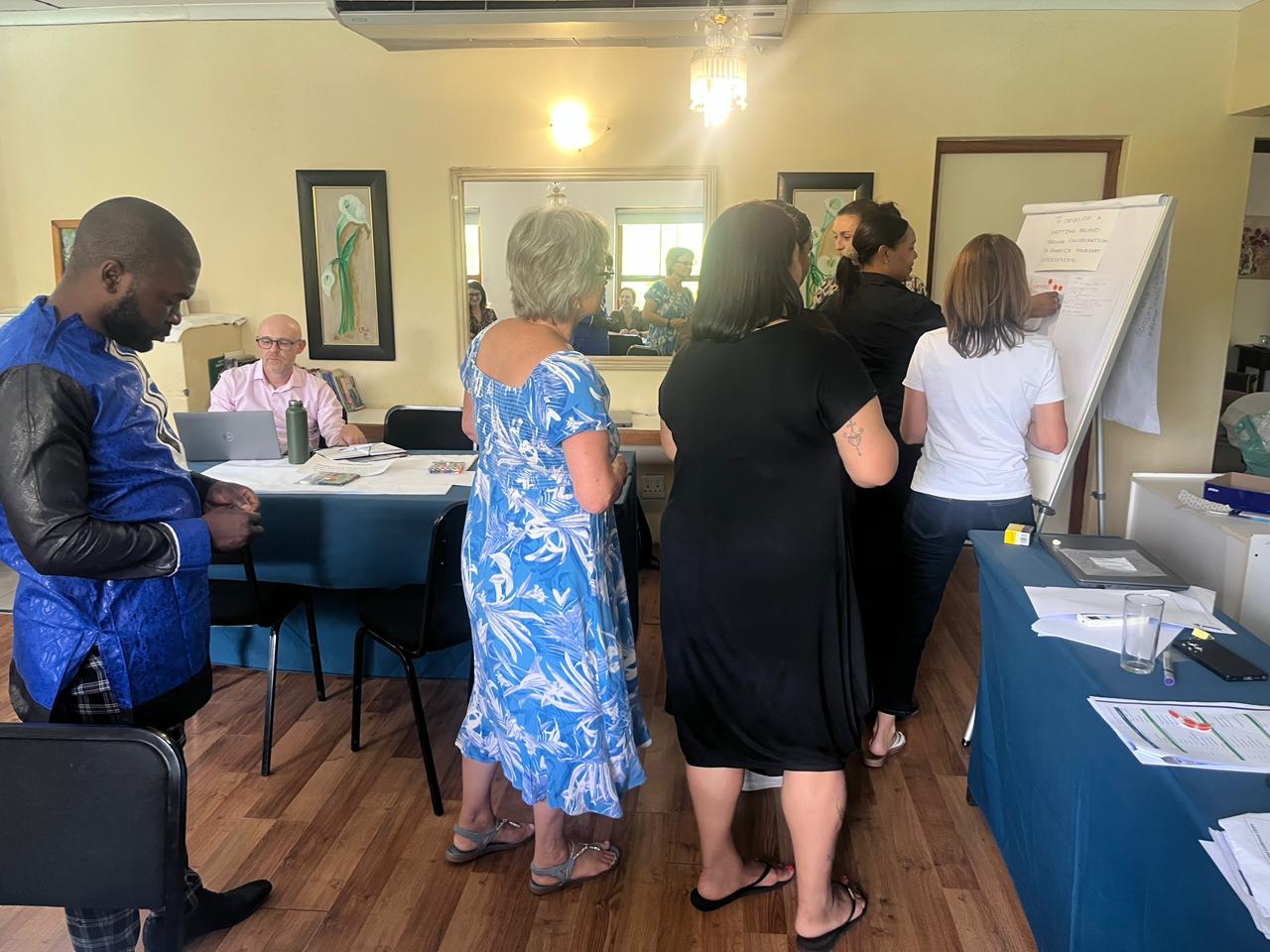
The Labs follow five core stages – Empathise, Define, Ideate, Prototype and Validate – adapted from Nordic innovation best practice to the South African municipal context. Stakeholders first identify and prioritise local tourism constraints, then work together in facilitated workshops to drill down to root causes, generate solutions and agree a single, shared challenge statement for their area.
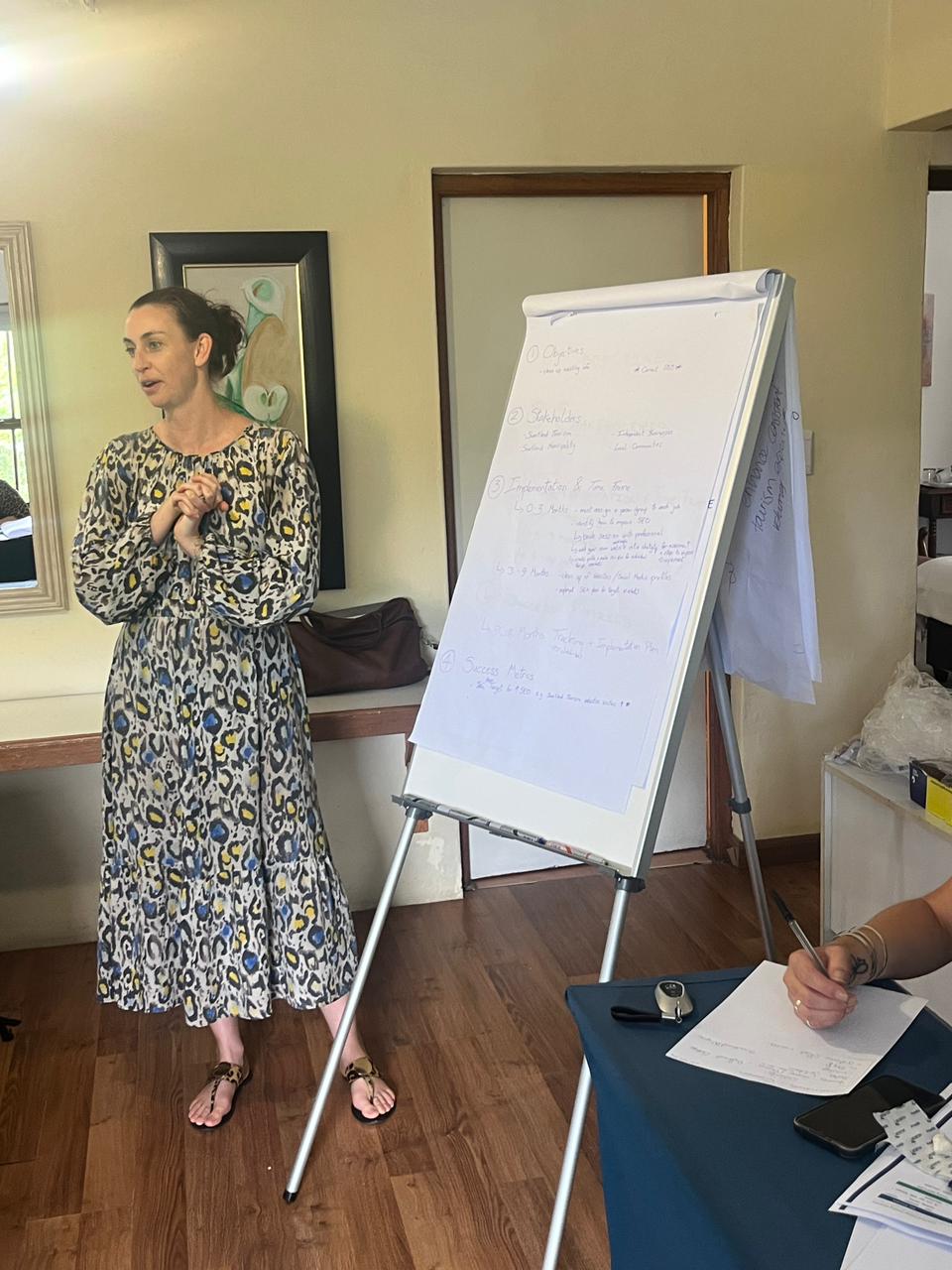
These ideas are translated into detailed 18‑month pilot blueprints, which set out phased workstreams, governance arrangements, indicative budgets, milestones and monitoring indicators, before being taken back to communities in “playback” sessions for final validation. The result is implementation-ready roadmaps that are firmly rooted in local realities but aligned with provincial priorities and compliance requirements such as MFMA Circular 131.
Community-led pilots in Napier and the Swartland
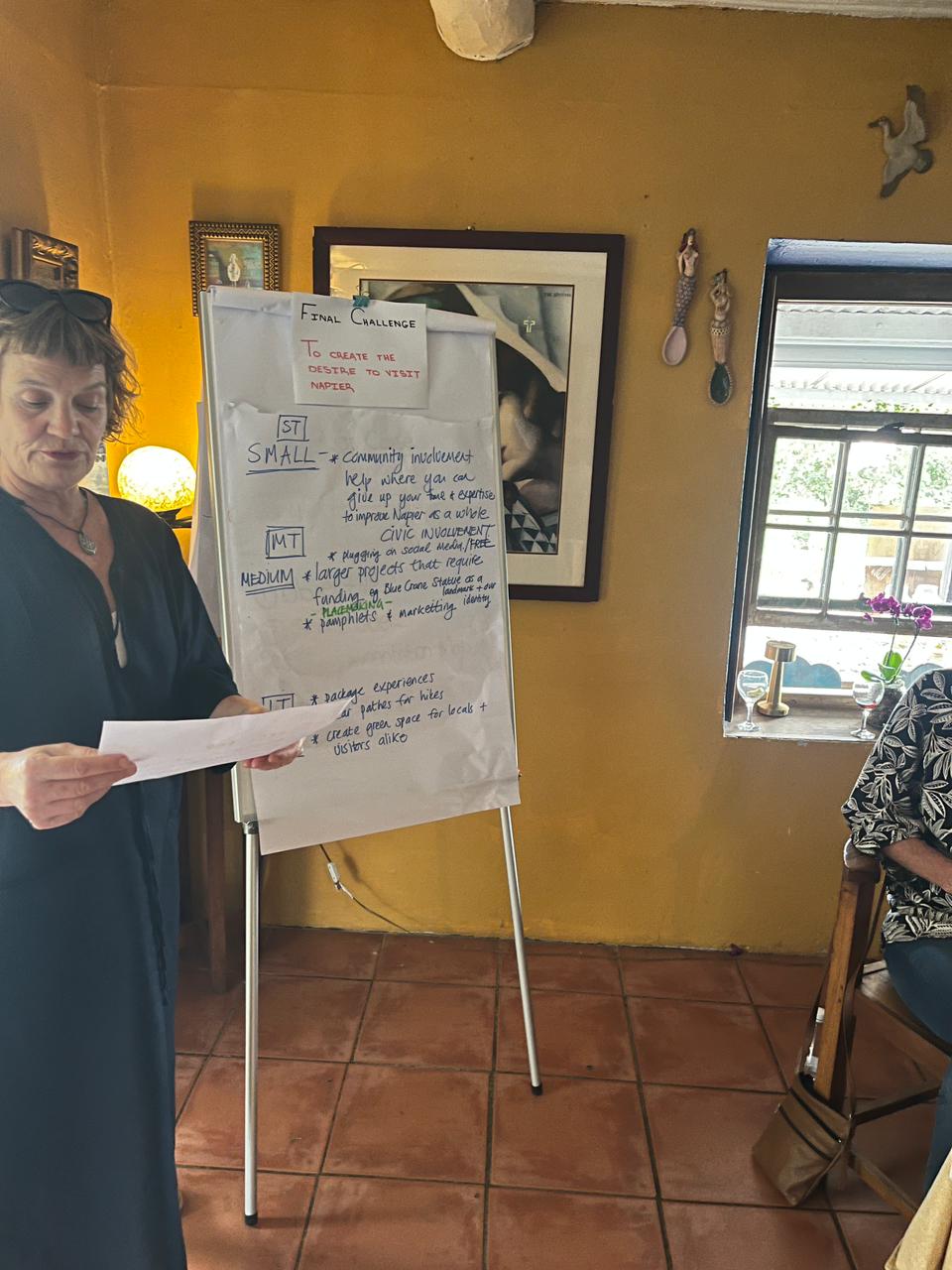
In Napier, stakeholders framed their challenge as “to create the desire to visit Napier”, recognising that heavy drive-through traffic is not yet converting into meaningful visitation, dwell time or spend. The co-created blueprint focuses on four workstreams – coordinated effort, tourism packaging, sustainable funding and municipal enablement – with an estimated budget range of R242,000 to R767,000 over 18 months and a proposed Napier Tourism Forum as the central governance vehicle.
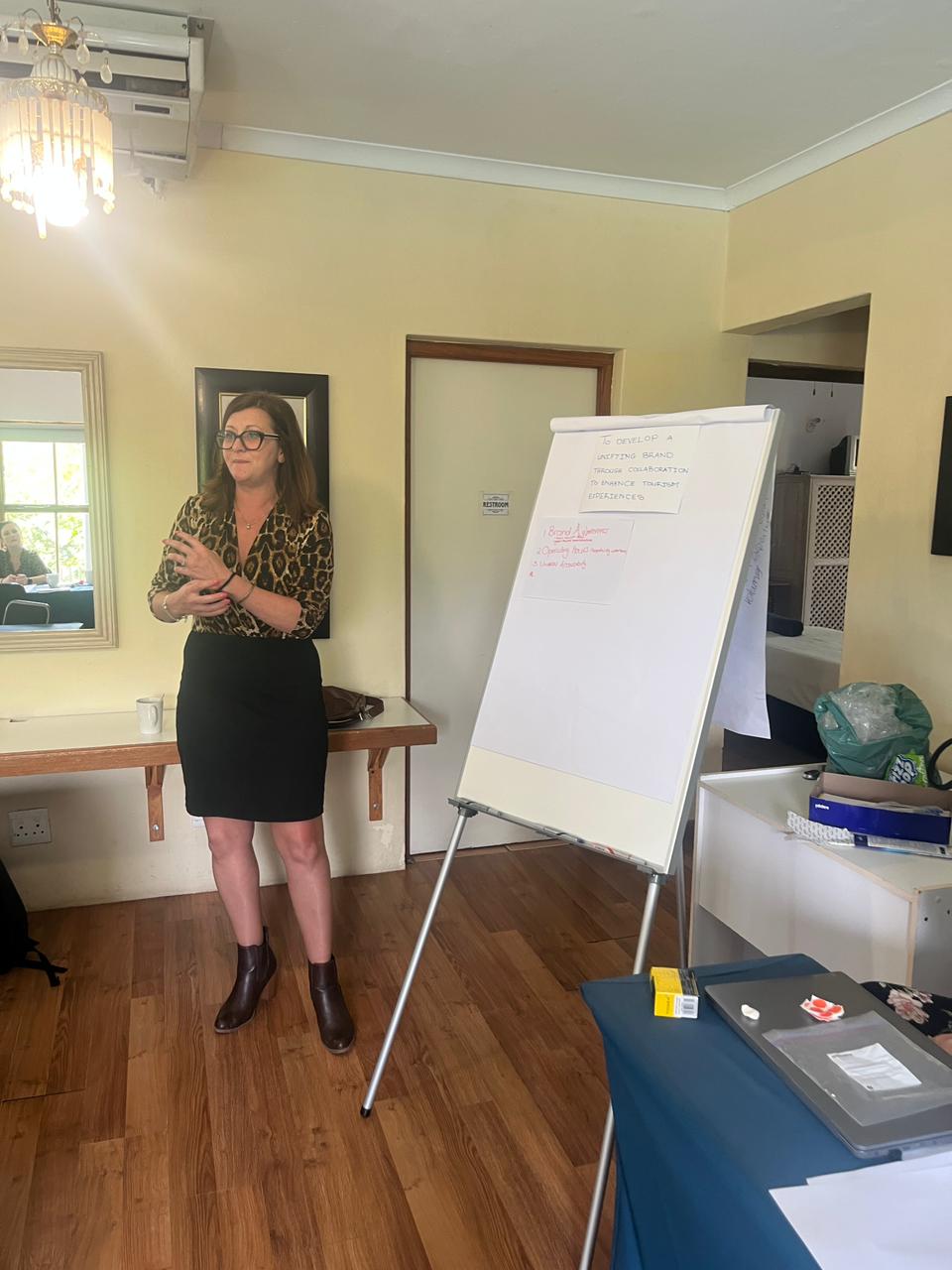
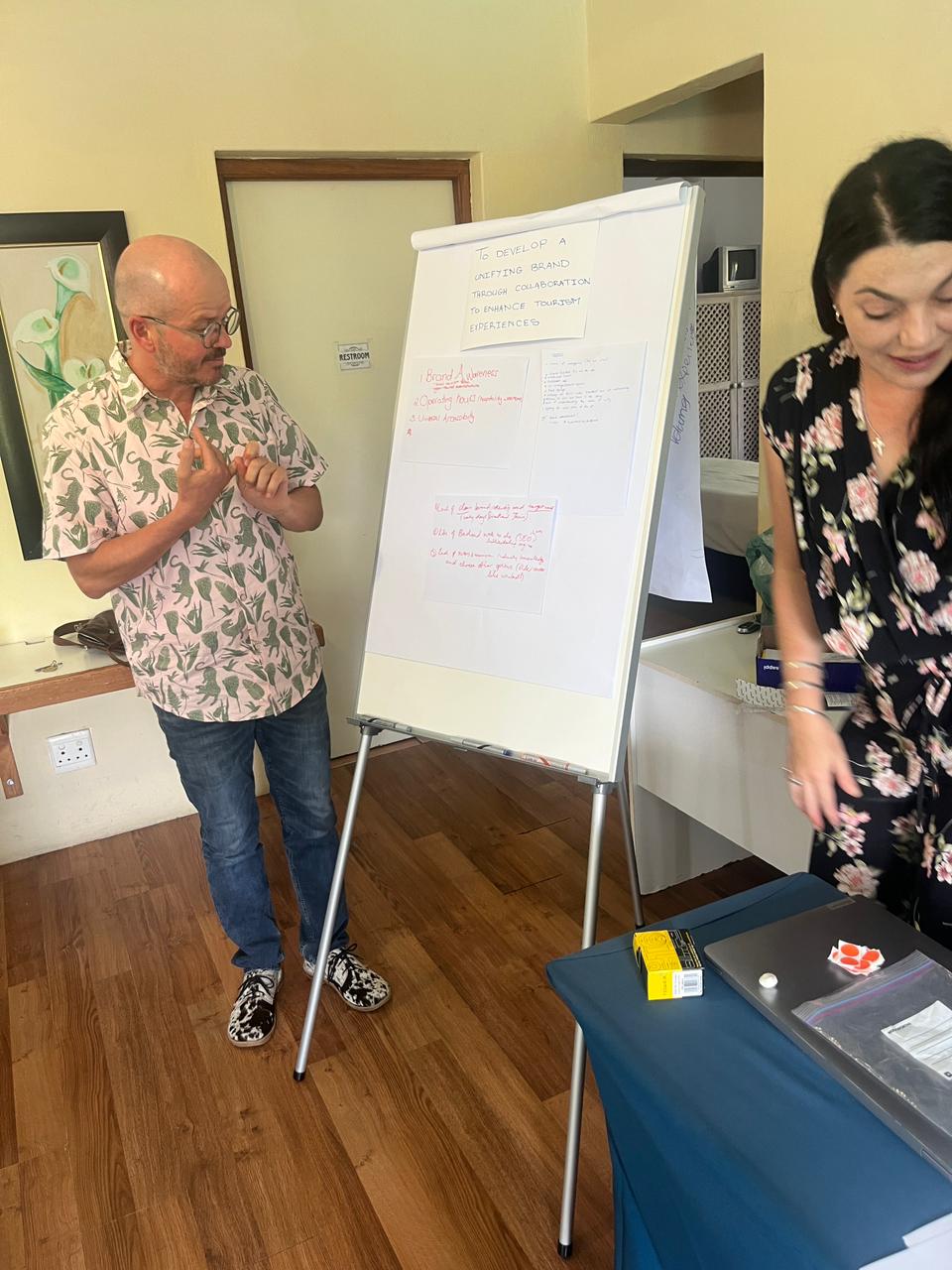
In the Swartland Municipal District, the shared challenge is “to develop a unifying brand through collaboration to enhance tourism experiences”, with stakeholders highlighting fragmented identity, weak digital discoverability and inconsistent weekday readiness as the main constraints. Here, the blueprint centres on establishing an overarching coordination mechanism, building a unified district brand, improving digital information and SEO, and strengthening weekday operating reliability, with an indicative budget of R395,000 to R672,000 and a proposed Swartland Tourism Forum.
Across both pilots, the Labs confirmed that the biggest barriers are structural rather than physical – weak coordination, limited packaging, low visibility, constrained funding and uneven municipal enablement – and that these can be shifted through targeted, phased interventions.
Building a provincial innovation ecosystem
Because the Design Labs draw on a province-wide evidence base, they are already surfacing systemic issues that require coordinated responses, including MFMA Circular 131 funding constraints, crime and safety perceptions, and digital marketing capacity gaps in smaller destinations. DEDAT is using these insights to shape a broader support offer, including proposals for a provincial digital tourism assistance programme, destination coordination strengthening and an ongoing “tourism challenge intelligence” system.
The intention is to scale the Design Lab model in phases: first consolidating the Napier and Swartland pilots and publishing a replication toolkit, then supporting a new cohort of 3–5 municipalities, and ultimately embedding the Labs as a standard component of DEDAT’s municipal tourism support package. A structured but light-touch oversight framework – with regular check-ins, simple KPI dashboards and peer learning between municipalities – is designed to keep implementation locally led while ensuring that provincial learning and impact are captured over time.
Why this matters for the DEDAT tourism programme
The Destination Innovation Design Labs are an example of the DEDAT tourism programme deliberately shifting from project-by-project interventions to ecosystem-building: investing in local coordination platforms, shared data, digital hygiene and community ownership as the foundations of long-term destination competitiveness. By proving that a relatively low-cost, design-led process can unlock practical, scalable solutions in both a single rural town and a diverse municipality, the initiative offers a replicable pathway to broaden the Western Cape’s visitor economy beyond its established hotspots.