
MOD Programme
Building opportunities beyond the classroom

MOD Centres
Live MOD. Be MOD. We Are MOD.
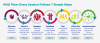
The revitalised MOD Programme is built on 3 interconnected pillars that guide every aspect of programme delivery:
Live MOD focuses on creating safe, structured and enjoyable daily experiences through sport, arts, recreation and life skills. Every session is designed to help learners develop physically, emotionally, socially and creatively while having fun.
Be MOD focuses on the people who make the programme possible. Through the development of coaches, facilitators and young leaders, the programme invests in caring role models who inspire, mentor and support learners while building pathways for employment and professional growth.
We Are MOD focuses on building strong partnerships between schools, families, communities, government and civil society. Together, they create sustainable community hubs where every young person has access to opportunities to participate, belong and succeed.
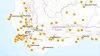
The MOD Programme reaches more than 70,000 school-going children and youth through 315 MOD Centres across the Western Cape, making it one of South Africa's largest after-school programmes. Since its establishment in 2010, the programme has evolved from a participation initiative into a comprehensive youth development model that not only enriches the lives of young people but also creates meaningful employment and skills development opportunities for hundreds of coaches, facilitators and community practitioners.
At the heart of every MOD Centre is the MOD Coach. Coaches do far more than facilitate activities—they create safe spaces where every learner feels seen, heard and valued. They encourage participation, nurture confidence, model positive behaviour and build trusting relationships that help young people navigate challenges both inside and outside the programme. Often, lasting change begins with something simple: a welcoming smile, an encouraging word, a listening ear, or an adult who consistently believes in a young person's potential.
Every session is built on the belief that play is a powerful catalyst for growth. Through fun, structured and purposeful experiences, learners develop not only physical and creative skills, but also the confidence, resilience and sense of belonging needed to succeed in school, in their communities and throughout life.
FAQs
What is the MOD Programme?
The MOD Programme provides structured after-school opportunities in sport, arts, recreation and life skills, creating safe, inclusive spaces where school-going children and youth can play, learn, build confidence, develop resilience and unlock their potential.
What is the purpose of the MOD Programme?
The MOD Programme aims to:
- Provide safe, structured after-school environments.
- Promote physical, emotional and social wellbeing.
- Build resilience, confidence and leadership.
- Develop life skills through play, sport and the arts.
- Strengthen communities through positive youth development.
- Create pathways into sport, arts, education, leadership and employment.
Who can participate?
The MOD Programme is open to school-going children and youth living within the community served by a MOD Centre.
Although MOD Centres are hosted at selected schools, participation isn’t limited to learners attending the host school. School-going learners from neighbouring schools and the surrounding community are encouraged to participate, subject to programme capacity.
Participation by community learners is subject to age-appropriate programme groupings, safeguarding requirements, and the MOD Programme's child protection policies and procedures. These measures ensure that all participants engage in safe, inclusive and developmentally appropriate environments where their wellbeing remains the highest priority.
Is participation free?
Yes.
Participation in the MOD Programme is completely free for all eligible learners.
Which activities are offered?
Activities may include:
- Sport
- Recreation
- Dance
- Drama
- Music
- Indigenous Games
- Arts and culture
- Leadership development
- Life skills
- Wellness activities
- Team-building activities
- Holiday programmes
- Community events and showcases
Activities are adapted to the age of participants, local needs and available facilities.
When does the programme operate?
The programme generally takes place after school during weekdays.
Operating times may vary between centres depending on school timetables and local arrangements.
Additional activities may include:
- Holiday programmes
- Community festivals
- District showcases
- Provincial events
What makes the MOD Programme different?
The MOD Programme is more than an after-school activity programme.
It follows a structured, trauma-informed approach to positive youth development built around:
- Safe spaces
- Caring relationships
- Structured play
- Sport and recreation
- Arts and culture
- Life skills
- Consistent routines
- Community partnerships
Every session is intentionally designed to help young people feel connected, valued and capable.
What is the MOD Flow?
Every MOD session follows a consistent seven-step routine known as the MOD Flow:
- Welcome
- Check-in
- Energiser
- Breathing
- Play
- Check-out
- Announcements
This routine creates predictable, safe and enjoyable experiences while promoting belonging, emotional regulation and positive engagement.
Which themes are covered during the year?
Each school term focuses on a developmental theme:
- Term 1: Connection
- Term 2: Resilience
- Term 3: Leadership
- Term 4: Expression
These themes progressively develop learners' social, emotional and leadership skills throughout the year.
Who runs the programme?
The programme is delivered by trained MOD Coaches and Facilitators who receive continuous professional development in:
- Sport and recreation
- Arts facilitation
- Positive youth development
- Child safeguarding
- Trauma-informed practice
- Facilitation techniques
- Leadership
- Learner wellbeing
How many learners participate in each session?
The recommended learner-to-coach ratio is approximately 40 learners per coach, ensuring quality engagement, meaningful interaction and effective supervision.
Does the programme only focus on sport?
No.
The MOD Programme provides a holistic youth development experience through:
- Sport
- Recreation
- Arts and culture
- Life skills
- Wellness
- Leadership
- Social development
The emphasis is on developing the whole child rather than focusing solely on sporting performance.
How does the programme benefit learners?
Participation in the MOD Programme helps learners to:
- Build confidence.
- Improve teamwork and communication.
- Develop leadership skills.
- Improve physical wellbeing.
- Strengthen emotional resilience.
- Form positive friendships.
- Learn new skills.
- Develop a sense of belonging.
- Build positive habits and values.
Can learners progress to higher opportunities?
Yes.
The MOD Programme creates pathways into:
- School Sport competitions
- Provincial teams
- National championships
- Arts and cultural showcases
- Leadership programmes
- Coach development opportunities
- Further education opportunities
- Employment and volunteer opportunities
How are schools selected as MOD Centres?
Schools are selected through a provincial application process managed by the Department of Cultural Affairs and Sport.
Schools wishing to become a MOD Centre are invited to submit an application when calls for applications are announced. Applications are evaluated against approved programme criteria to ensure that MOD Centres are established where they can have the greatest impact and be sustainably supported.
The evaluation process considers factors such as:
- Community need.
- Commitment from the School Management Team and School Governing Body.
- Availability and suitability of facilities.
- Accessibility for school-going children and youth within the surrounding community.
- Safety and safeguarding considerations.
- Capacity to deliver quality after-school programmes.
- Opportunities for partnerships and community collaboration.
- Long-term sustainability and alignment with the objectives of the MOD Programme.
Successful schools enter into a Service Level Agreement (SLA) with the Department, outlining the respective roles and responsibilities to ensure effective programme delivery and accountability.
How can a school apply to become a MOD Centre?
When applications are opened, the Department will advertise the opportunity through official communication channels.
Interested schools should complete the prescribed application and submit all required supporting documentation before the closing date.
Schools are encouraged to contact their District MOD Office should they require guidance during the application process.
Can organisations partner with the MOD Programme?
Yes.
The Department welcomes partnerships with:
- Community organisations
- Non-governmental organisations
- Sport federations
- Arts organisations
- Municipalities
- Government departments
- Universities and colleges
- Private sector organisations
Partnerships should support the objectives of the MOD Programme and contribute to positive youth development.
How can I become a MOD Coach or Facilitator?
Coaching and facilitator opportunities are advertised through the approved recruitment process when vacancies become available.
Interested applicants should monitor official Western Cape Government communication platforms and announcements for recruitment opportunities.
How can parents and caregivers support the programme?
Parents and caregivers play an important role by:
- Encouraging regular attendance.
- Supporting positive behaviour.
- Attending community events and showcases.
- Communicating with coaches when necessary.
- Reinforcing the values and life skills developed through the programme.
Where can I get more information?
Provincial MOD Programme Office
Department of Cultural Affairs and Sport
📧 dcas.modprogramme@westerncape.gov.za
District MOD Contacts
District | Contact |
| Central Karoo | Johannes.Neethling@westerncape.gov.za |
| Eden | Verencia.Michaels@westerncape.gov.za |
| West Coast | Megan.Witbooi@westerncape.gov.za |
| Overberg | Mkhanyisi.Cekiso@westerncape.gov.za |
| Cape Winelands | Andries.Mdabuli@westerncape.gov.za |
| Metro East | Masibulele.Ntlali@westerncape.gov.za |
| Metro North | Namhla.Sibeko@westerncape.gov.za |
| Metro South | Yvette.Hiss@westerncape.gov.za |
| Metro Central | Malcolm.VanWyk@westerncape.gov.za |