| | | Interesting Facts | | | | |
For every kilowatt hour of energy used almost one kilogramme of coal is burned.
If you turn off the photocopier at work when you leave, the energy you save overnight can make about 1 600 copies.
Darling, 70 km north of Cape Town, is the place where you can find South Africa's first commercial wind farm.
Leaving lights on in an empty office overnight wastes enough energy to make about 100 cups of coffee!
| | | | |  | | | | | | | | | Bright Ideas for Saving | | | | |
Boil only the water you need instead of boiling a full pot or kettle every time.
Install motor speed controllers in the air conditioning system.
When you are not using your cellphone charger, unplug it from the wall - it still draws power if kept in the wall.
Send in your ideas for saving!
| | | | | | |
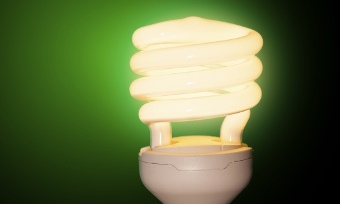 Energy efficient light bulb Here are some bright ideas on how to save limited energy resources and do your part to help prevent blackouts. Power Alert: What is it and What Does Each Colour Mean? "Power Alert" is a campaign launched by Eskom to save electricity. It takes the form of a message popping up on your TV screen every weekday evening. The 15-second television slot lets you follow the rise and drop in power consumption every 15 minutes from 17:00 to 21:00 on weekdays. Alerts have different colours and this is what they mean: - Green: There is no strain on the electricity supply of the Western Cape. No action is required by residential consumers.
- Orange: There is strain on the electricity supply. Residential consumers are asked to switch off some non-essential items for the evening peak period or until there is a change back to green status.
- Red: There is increasing strain on the electricity supply and load shedding is imminent. Residential consumers need to switch off additional appliances. This is also requested for the evening peak period or until there is a green or orange status.
- Brown: There is big strain on the electricity supply and load shedding is in progress. Residential consumers are prompted to switch off all loads that are not absolutely essential, except the minimum lighting required for the room they are in and their television set (which is used to communicate the status). During this status, residential consumers will also be asked to switch off geysers. This is always requested for every evening peak period or until notified of a change in status. See peak times below.
When is Peak Time? - Between 07:00 and 10:00 in the morning.
- Between 17:00 and 20:00 in the evening.
How You Can Prepare for Power-Off Times These are useful tips to minimise inconvenience when the power is off: - Think about communication: Ensure your cell phone is always fully charged when power is available.
- Think about transport: Ensure your vehicle always has fuel in the tank (petrol stations cannot pump fuel during a power outage).
- Think about cash: Ensure that you have adequate cash as ATMs cannot operate without electricity.
- Think about access, security and safety:
- Release automatic electric garage door mechanisms to allow you to gain access to your property during a power outage.
- Release electric security gates and switch to manual operation to avoid either being locked out or locked into your home.
- Keep temporary lighting readily available. Be sure to keep these items in places where they will be easy to find in the dark.
- Keep a torch (with fresh batteries) by your bedside at all times.
- Obtain a small gas lamp, as they provide good quality lighting for a large area.
- Think about keeping things cool and heating them up:
- Boil water and keep in thermos flasks for hot drinks for when the power is scheduled to be switched off.
- Use a thermal cover on tea pots and other pots and pans to keep hot drinks, soup and other hot meals warm.
- Prepare meals beforehand in readiness for periods when there will be power cuts.
- Obtain a small stand-by bottled gas heating ring for essential cooking and to boil water for hot beverages.
- Keep adequate stocks of essential foodstuffs.
- Keep refrigerator doors closed.
- Keep alternative snacks that do not need refrigeration.
- Most medication requiring refrigeration can be kept in a closed fridge for several hours without spoiling. To be sure about this, check with your doctor or pharmacist.
- Fill plastic containers with water in a chest freezer or the freezer compartment of your fridge. This (frozen) water will help keep food cold during a power outage.
Safety - If the power goes off, it is safer to simply turn off (or even better, disconnect) any electrical appliances that you were using.
- Keep one light switched "on" to alert you when the power returns.
- When the power comes back on, it may do so with a momentary surge, which can damage electronically controlled appliances so ensure those are switched off and disconnected until the power resumes.
- Remember to reset time control clocks on automatically controlled appliances, unless these are battery operated.
How to Save Power The following are some examples of what can be done in your home to make it more energy efficient: 1. Hot Water Geyser - A solar water geyser will save you money and Eskom will also give you a rebate once you have installed one.
- Insulating the geyser by wrapping it in a geyser blanket can save a substantial amount of money every month.
- Switch your geyser off for at least two hours a day anytime between 06:30 and 21:00 or install a timer on the geyser to avoid heating up water when you don't need it. This can save up to 20% on your electricity bill.
- Install a solar water heater.
- Shower instead of bathing and fit a low-flow shower head.
2. Lighting - Use CFLs or LEDs, which are more energy efficient than incandescent lights. This is especially good for outside fittings, which stay on all night.
- Switch lights off when you leave the room.
3. Heating Your Home - By insulating your ceiling, you can save half of your electricity used for heating.
- Include passive solar features if you are designing a new house:
- Have enough north-facing window areas.
- Ensure that your roof overhangs at the correct length to keep the summer sun out but let winter sun in.
- Install ceilings; it is difficult to warm up a double volume house.
- Insulate your walls and floors well, or use thermally efficient building materials. - Keep windows closed when your heater is on. If possible, use an oil or gas heater.
4. General - Switched-off cellphone chargers still draw power if they are plugged in.
- Switch off one piece of electrical equipment before switching to another.
- Switch off all appliances at the wall when not in use, especially during peak hours.
- Use your pool pump for two hours less every day and cover your pool in winter; this keeps your pool cleaner, putting less strain on the pump. If you service the pump and clean the filter regularly, you can save up to R420 per year.
- Avoid leaving your fridge door open. Wait for hot food to cool down before putting into the fridge and replace worn seals on the door. If you are going on holiday, switch your fridge off, or pop onto "vacation" mode.
- Use your kettle to boil water, rather than the stove. Never fill the kettle if you are only going to make one cup of tea. When you do put water in the kettle only use cold water, as each time you use the hot tap, energy is used.
Special Needs - If you have special needs such as medical support equipment, please notify your medical practitioner immediately so that special arrangements can be made. This special assistance is only available by authorisation of a registered general practitioner/doctor or medical specialist.
- If you require advice regarding the provisions that have been made for special needs, call the City of Cape Town Disaster Management Centre on 107 or, if you are in an Eskom supply area, contact the call centre on 086 003 7566. It is operational 24 hours a day.
Where Can I Get Information Before or During A Power Failure? Reporting a fault (power outages, shorting overhead lines, faulty dispensers, streetlight problems and low voltage faults) can be done at one of these numbers: - Fault reports (City of Cape Town):
Tel: 0860 103 089
Information about the scheduled power cuts is available from the following contacts: |